
When a plastic product fails, it often doesn’t fail slowly – it fails suddenly. A tool handle snaps, a housing cracks when dropped, a component chips on impact, or a protective cover shatters during use. These failures are usually related to one critical property: impact resistance.
At Kiyo R&D LAB, our impact resistance test for plastics @ Kiyo R&D LAB helps manufacturers, designers and engineering students understand how tough their materials really are. Instead of guessing how a product will behave under sudden loads, we measure it scientifically using standard test methods and calibrated equipment.

Impact resistance is the ability of a plastic material to withstand a sudden force or shock without cracking, breaking or failing. It represents how a part behaves when:
A material may have good tensile strength but still fail under impact if its toughness is low. That’s why impact testing is essential, especially for products used in demanding environments or safety-related applications.
Manufacturers rely on impact resistance test for plastics @ Kiyo R&D LAB for multiple reasons:
In short, impact testing helps prevent unpleasant surprises after a product reaches the customer or the field.
At Kiyo R&D LAB, we perform a range of impact tests based on recognized standards. Our impact resistance test for plastics @ Kiyo R&D LAB commonly includes:
The Izod impact test uses a notched or unnotched plastic specimen mounted vertically. A pendulum swings down and strikes the sample, and the energy absorbed in breaking the specimen is measured.
This test is useful for:
Typical standards include ASTM and ISO test methods designed for plastics and engineering polymers.
Similar to Izod, the Charpy impact test also uses a pendulum, but the specimen is mounted horizontally as a simply supported beam. The energy required to break the sample is recorded.
Charpy testing is often used for:
For advanced studies, instrumented impact testing can record force vs. time or energy vs. time during impact. This is helpful for R&D work, failure analysis and performance optimization.
Impact strength is not just about the basic material; it is influenced by many variables, such as:
Through our impact resistance test for plastics @ Kiyo R&D LAB, we help you see how these factors affect the final performance of your product.
Many sectors depend on accurate impact data to design safer, stronger products:
Our impact test data helps these industries avoid material failures and design more robust components.
At Kiyo R&D LAB, we follow standardized procedures and use calibrated equipment to ensure reliable test results. Our impact resistance test for plastics @ Kiyo R&D LAB typically includes:
We then provide a clear, structured test report with all necessary details and results that you can use for internal quality records, customer communication or academic submission.
Besides industrial customers, Kiyo R&D LAB also supports final-year engineering students and researchers. Impact testing is commonly required in project work involving:
Our team provides guidance on test selection, basic explanation of results and support in understanding how impact resistance ties into overall material performance.
Choosing the right lab is just as important as choosing the right material. Kiyo R&D LAB offers:
Our goal is not just to generate numbers, but to provide data that helps you make better material and design decisions.
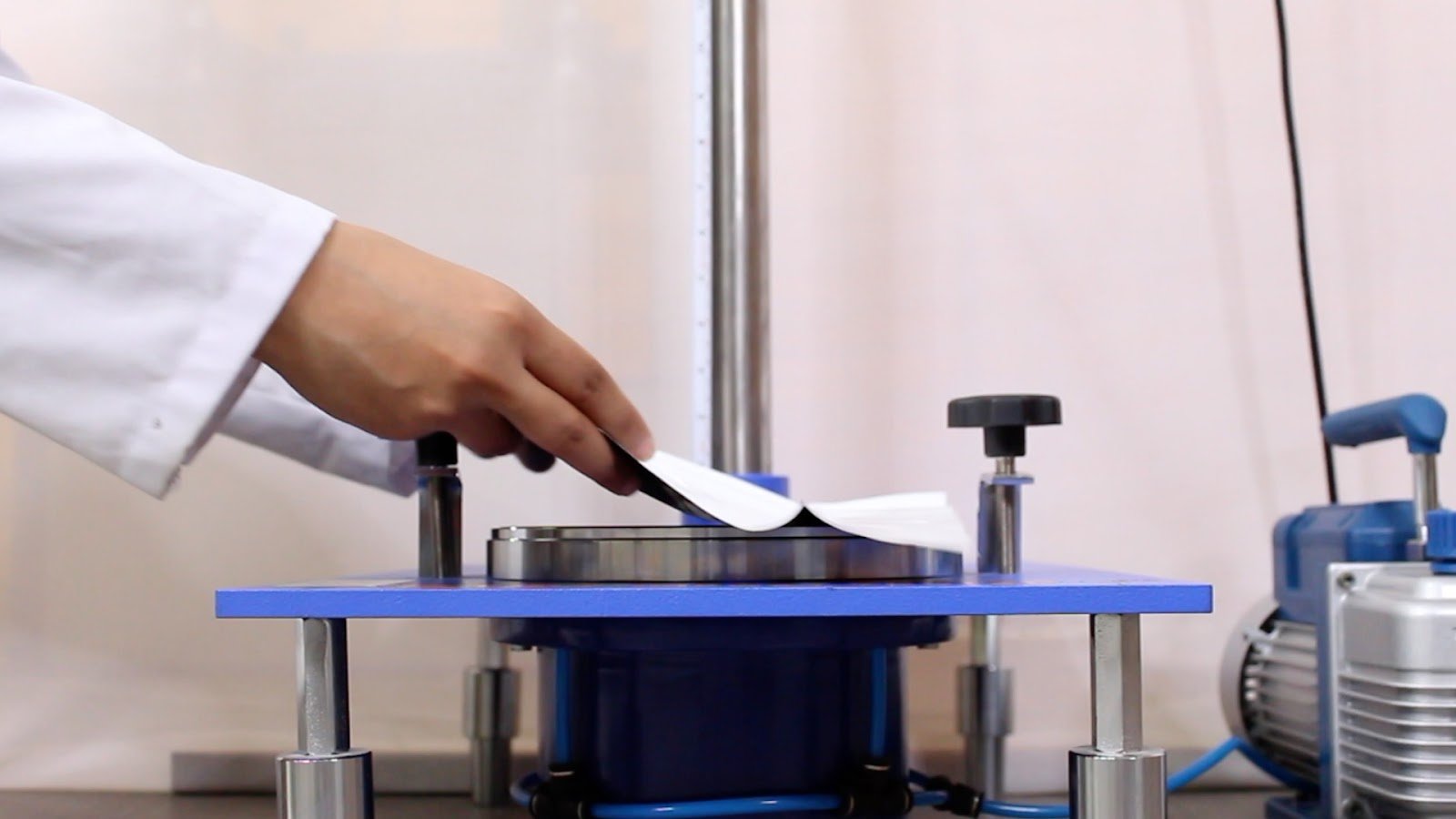
Impact failures are sudden, costly and often avoidable. By using a structured impact resistance test for plastics @ Kiyo R&D LAB, you gain clear insight into how your plastic materials and products will behave under real-world shock and drop conditions. Whether you’re an industry professional developing a new product or a student validating a project, understanding impact strength is a key step towards safer, tougher and more reliable plastic components.
If you need help selecting the right impact test or combining it with other mechanical and thermal tests, Kiyo R&D LAB is ready to support you with accurate, professional and timely testing services.