Fabric is everywhere—clothes, upholstery, industrial textiles, automotive interiors, protective gear, uniforms, and even medical applications. But have you ever wondered how long a fabric can withstand daily wear and tear before it starts thinning, pilling, or losing its structural strength?
That’s where fabric abrasion testing becomes a critical quality parameter.
Today, manufacturers, designers, procurement teams, R&D engineers, and academic researchers rely on fabric abrasion testing services in India @ Kiyo R&D LAB to understand the true durability and performance of textile materials. With NABL accreditation, modern testing instruments, and expert analysts, Kiyo R&D LAB delivers accurate, industry-grade results that help brands improve material quality and meet compliance standards.
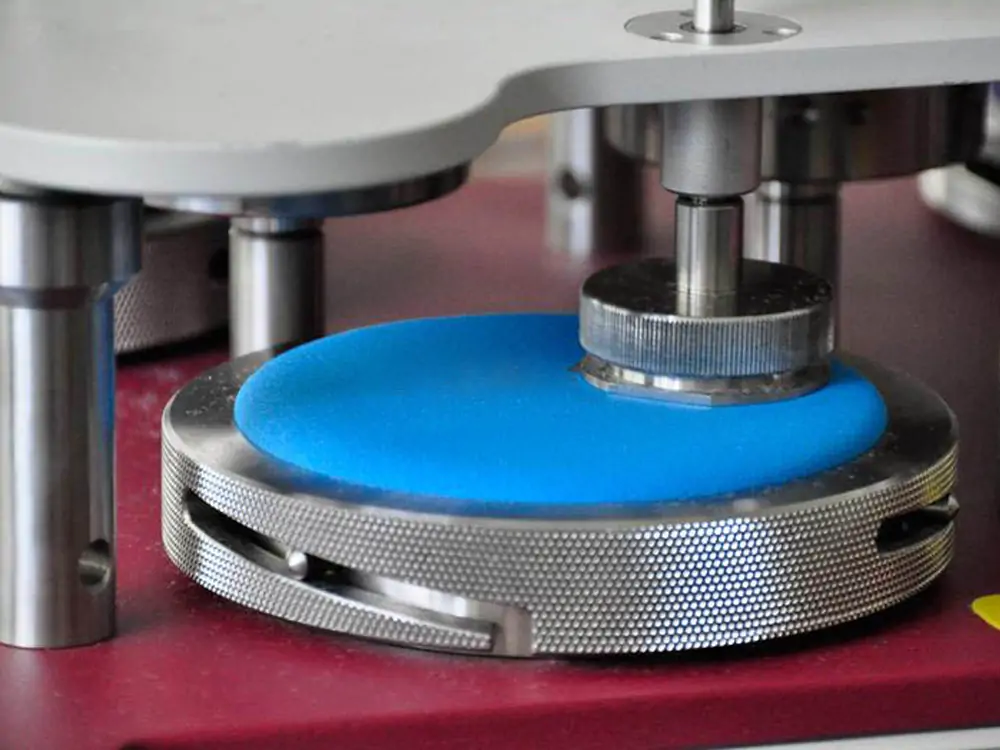
Fabric abrasion testing measures how well a textile can resist surface wear caused by rubbing, friction, or repeated contact with another surface. It helps determine:
Abrasion commonly occurs in high-stress areas like elbows, knees, seat covers, mattress covers, curtains, uniforms, and industrial fabrics. Abrasion testing simulates years of usage in a much shorter time.
Strong abrasion resistance is a non-negotiable requirement across industries. Poor durability can lead to:
Using fabric abrasion testing services in India @ Kiyo R&D LAB, brands gain clear insights into material behavior and can make data-backed decisions for:
In short: better-tested material means a better end product—and a stronger brand reputation.
Kiyo R&D LAB follows globally recognized standards to ensure accuracy and compliance with customer and regulatory requirements.
This is one of the most widely used methods, ideal for apparel, upholstery, and home textiles. It measures:
Taber abrasion is typically used for thicker or coated fabrics, carpets, industrial textiles, and technical textiles, where surface wear needs to be closely monitored.
This method is used for heavy-duty upholstery and contract fabrics that must sustain long-term use in commercial or public environments.
Each method replicates real-world conditions in a controlled, repeatable way, ensuring data that truly reflects how your fabric will perform over time.
Fabric durability is not just for fashion brands. Almost every sector that uses fabric depends on abrasion evaluation:
Kiyo R&D LAB supports all these sectors with fast, accurate, and NABL-accredited abrasion test reports.
Here is a simple, step-by-step overview of how fabric abrasion testing is typically carried out:
Fabric samples are cut according to ISO/ASTM dimensions and conditioned under controlled temperature and humidity to remove environmental influences.
The specimen is placed on the abrasion instrument (Martindale, Taber, or other) and properly fixed or clamped so that it can be rubbed consistently.
The machine rubs the fabric under a defined load, with controlled motion and speed, simulating real-life friction.
The test runs for a specified number of cycles. At defined intervals, the fabric is inspected for:
The endpoint may be based on mass loss, visual grading, a pre-defined damage level, or hole formation. All observations are documented in line with the relevant standard.
Not all test labs provide the same level of accuracy, control, or interpretation. Abrasion testing requires precise equipment, proper calibration, and experienced analysts. Kiyo R&D LAB offers:
Abrasion testing helps you identify hidden weaknesses early, such as:
By detecting these issues before mass production, manufacturers can modify fabric construction, yarn selection, or finishing processes to improve performance.
There is no single universal number. The required abrasion resistance depends entirely on the end-use:
During fabric abrasion testing services in India @ Kiyo R&D LAB, our team can guide you on suitable cycle requirements based on your product type and market expectations.
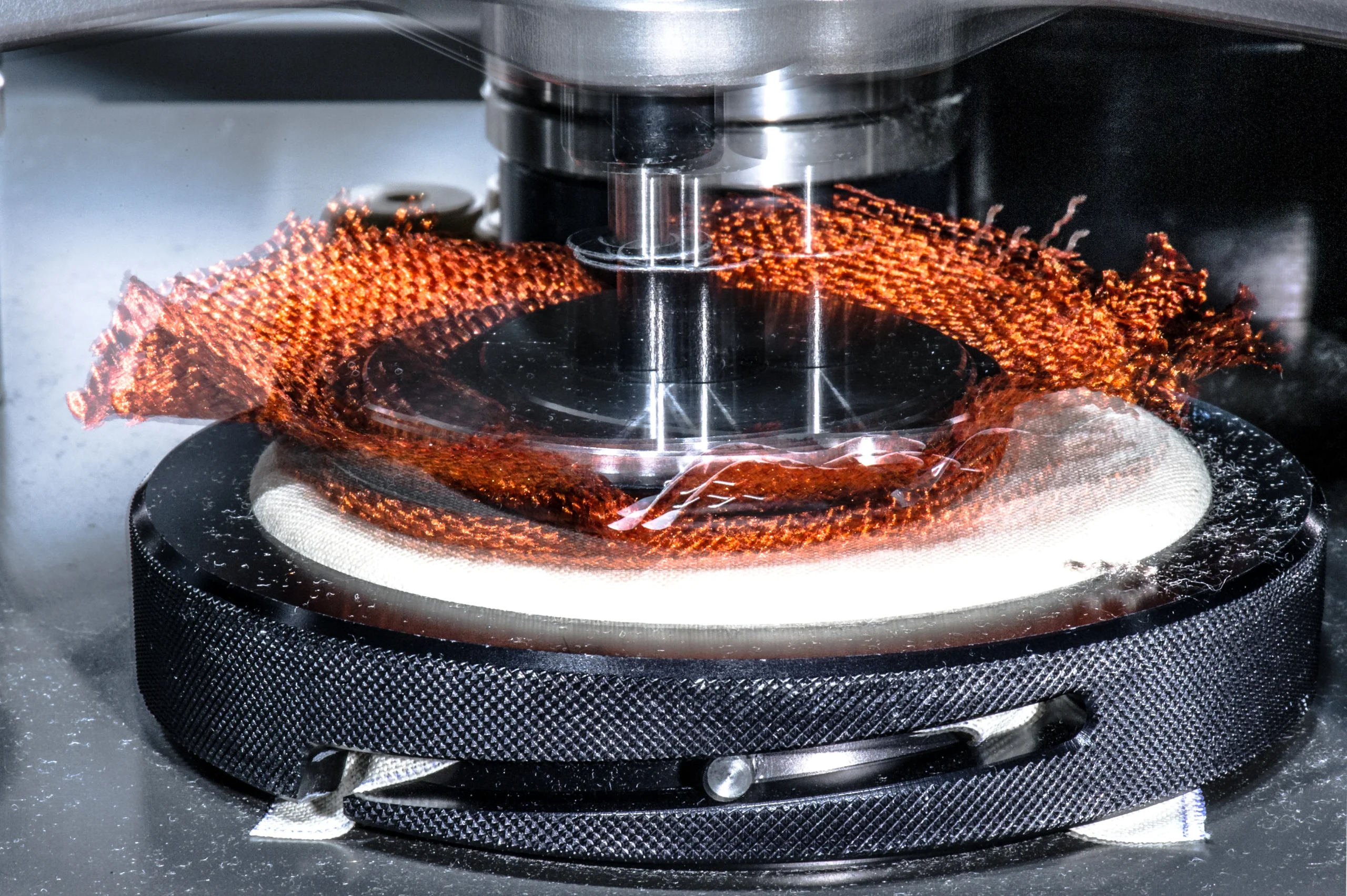
Durability is not a guess—it is a measurable property. By using fabric abrasion testing services in India @ Kiyo R&D LAB, manufacturers can:
If you are designing or manufacturing fabrics for any serious application, abrasion resistance testing is not optional—it’s essential.