Car paint is not just “color.” It’s protection, brand value, and long-term durability. A finish can look perfect on delivery day, but if the coating system isn’t built right, problems like fading, peeling, blistering, cracking, or dullness show up later. That’s why manufacturers, body shops, and detailing professionals use car paint quality checking services – Kiyo R&D LAB to test performance scientifically, not visually.
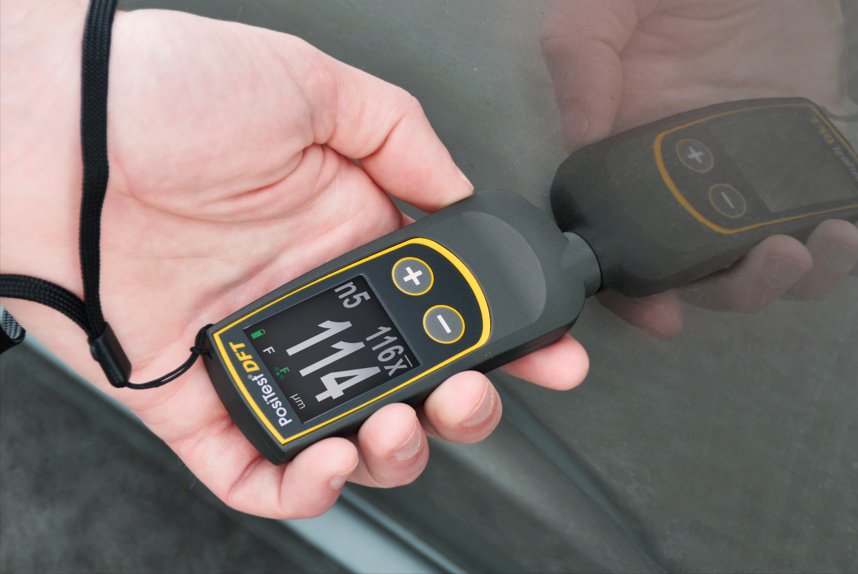
A vehicle’s paint system has two core jobs: it must look premium and it must protect the substrate underneath (metal, plastic, composite) from corrosion, UV damage, moisture, chemicals, and daily wear. Without proper testing, even a high-end paint can fail under real-world conditions.
With car paint quality checking services – Kiyo R&D LAB, you can verify whether a paint system is:
Many paint issues start small and become visible only after weeks or months. Testing helps catch them before customer complaints and costly rework.
These are exactly the failures that car paint quality checking services – Kiyo R&D LAB are designed to prevent.
At Kiyo R&D LAB, we evaluate automotive coatings using standardized methods (ASTM/ISO/BIS as applicable). We look at the coating as a complete system: primer + basecoat + clear coat, and how it performs on the intended substrate.
Adhesion is a non-negotiable property. If paint doesn’t bond correctly, it will eventually peel, flake, or expose the surface to corrosion.
These tests assess bonding quality across layers and substrate compatibility.
Customers notice gloss and uniformity immediately. We evaluate gloss level, appearance consistency, and surface reflection quality to help ensure a premium finish.
Even small shade shifts can ruin perceived quality—especially across different panels or production batches. Testing supports better control of pigment stability and process repeatability.
Thickness is directly tied to protection and durability. Too thin can lead to corrosion and early failure; too thick can cause cracking, curing issues, and uneven texture.
Vehicles face dust, sand, cleaning friction, and road debris every day. A strong clear coat should resist wear without losing gloss quickly.
Automotive coatings must withstand fuels, oils, detergents, and environmental contaminants. Chemical resistance testing checks whether the coating softens, stains, blisters, or loses gloss after exposure.
Sunlight is one of the biggest reasons car paint fades and loses gloss. We simulate long-term outdoor exposure using controlled accelerated weathering to predict durability.
Real vehicles experience extreme cycles—hot sun, cool nights, rain, and humidity. Cycling tests help evaluate coating flexibility, adhesion stability, and resistance to blistering.
Stone chips and minor impacts are unavoidable. Impact resistance helps determine whether the coating will crack or chip under sudden load.
These services are valuable across the entire automotive ecosystem:
Not all labs deliver the same reliability. What matters is traceability, standardized procedures, and consistent interpretation of results.
With car paint quality checking services – Kiyo R&D LAB, you get data that supports better decisions: fewer repaints, fewer claims, and higher customer satisfaction.
The value is simple: testing reduces rework and protects reputation. When paint quality is verified, businesses see:
Contact Kiyo R&D LAB for professional car paint quality evaluation, coating durability testing, and NABL-accredited reporting.
Phone: +91-9087686986 / +91-9042086986
Website: www.kiyorndlab.com
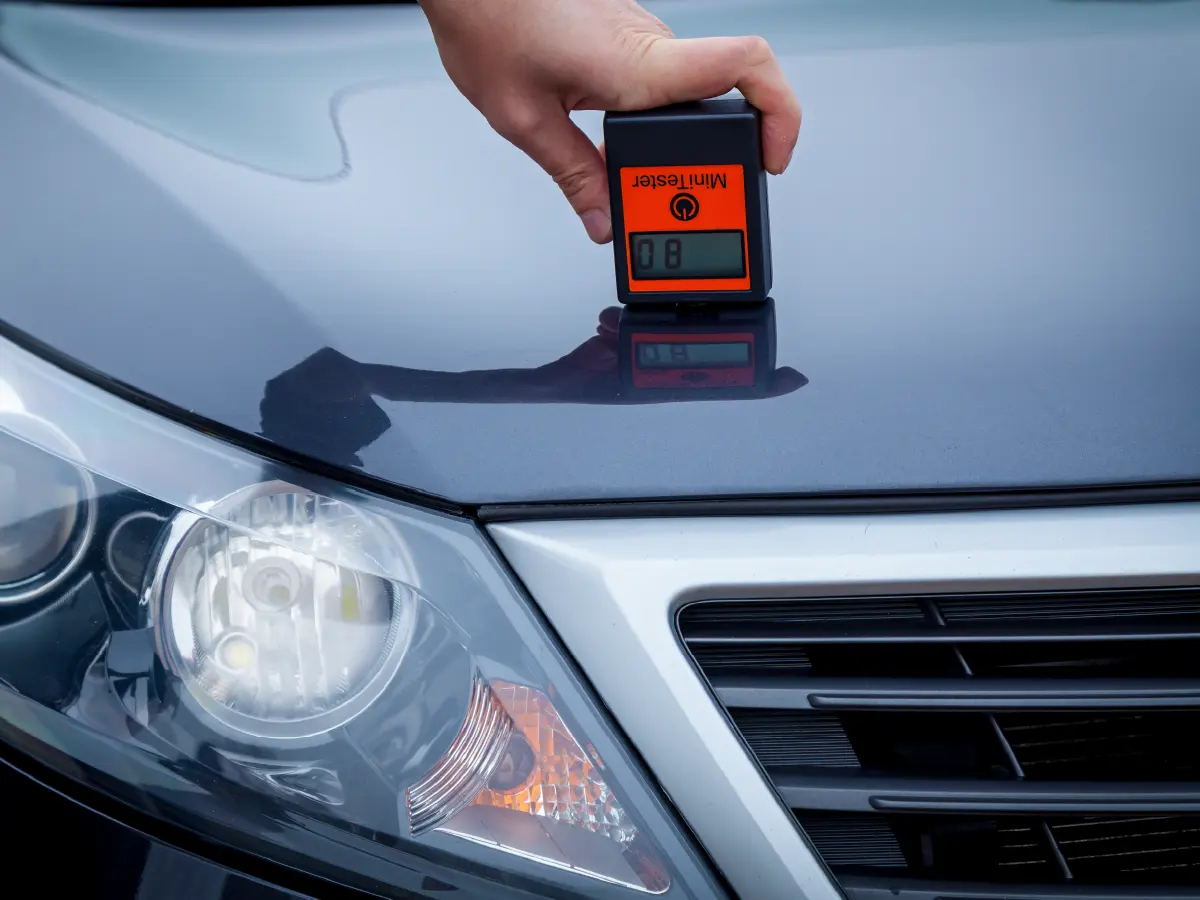
A premium car finish must do more than shine—it must protect, resist aging, and stay consistent under harsh environments. Visual inspection can’t predict long-term performance. Only standardized testing can.
If you want coatings that last, reduce failures, and deliver consistent quality, choose car paint quality checking services – Kiyo R&D LAB and validate your paint system with real data.