Abrasion is one of those problems that doesn’t look serious at first—until it becomes expensive. Tyre treads wear out early, conveyor belts thin and crack, shoe soles lose grip, rubber mats turn rough, and seals start leaking after repeated rubbing. Most of these failures are not caused by a single overload. They happen slowly, through continuous wear and surface loss.
That’s why DIN abrasion testing is a key durability check for rubber and elastomer products. If you’re searching for DIN abrasion tester services in India – Kiyo R&D LAB, you’re likely looking for clear, repeatable abrasion data that you can use for material selection, QC acceptance, or customer approval.
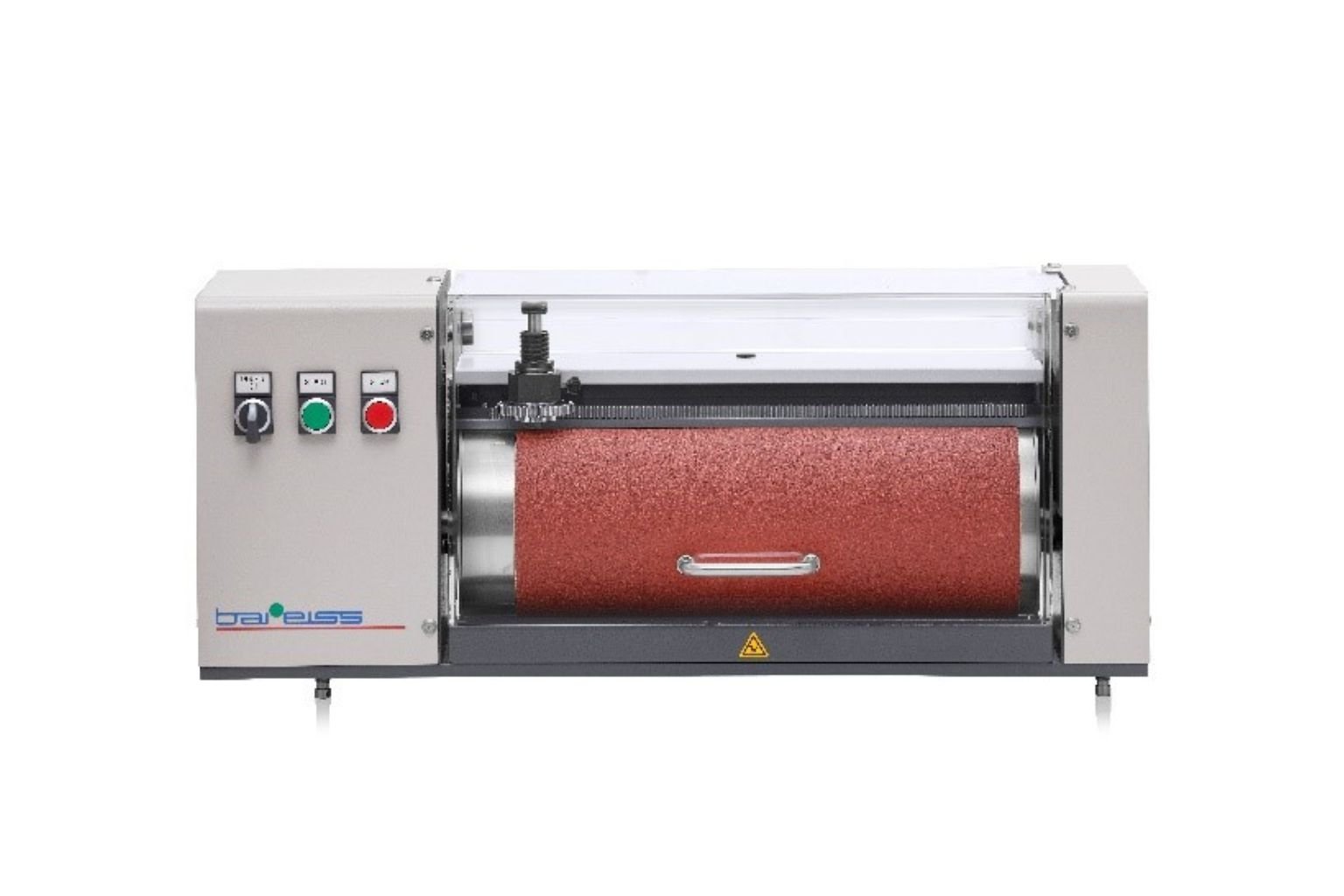
Abrasion resistance directly impacts product life, warranty returns, and customer satisfaction. A compound that looks perfect in the lab can still fail in the field if it loses material quickly under friction. With a proper DIN abrasion test, you can quantify wear behavior and compare different compounds and batches using a standardized method.
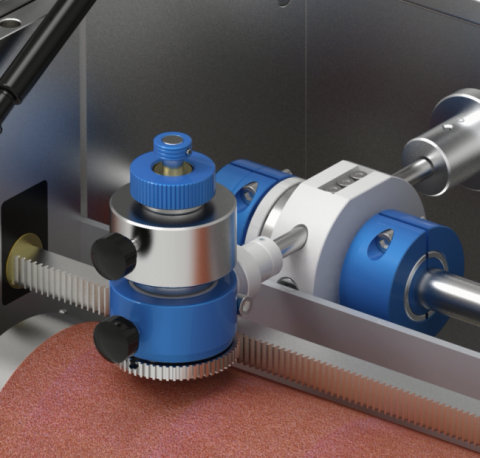
The DIN abrasion test evaluates the resistance of vulcanized rubber and elastomeric materials to abrasive wear under controlled contact pressure and movement. In simple terms, a prepared test specimen is pressed against an abrasive sheet and moved for a defined distance. The loss of material is measured and reported as volume loss (mm³).
Lower volume loss = better abrasion resistance. This makes DIN abrasion testing ideal for performance benchmarking and compound comparisons.
At Kiyo R&D LAB, DIN abrasion testing is commonly performed for:
If your product faces rubbing, scraping, sliding, or repeated surface contact, abrasion testing should be part of your durability validation plan.
DIN abrasion resistance testing is widely associated with DIN 53516, which is a globally recognized reference method for abrasion behavior of rubber. Many specifications and customer requirements refer to DIN 53516-style abrasion testing and volume loss reporting.
Kiyo R&D LAB follows disciplined test execution and controlled parameters to generate consistent abrasion values suitable for engineering decisions and documentation.
Here’s the uncomfortable truth: abrasion values can become unreliable if the test variables are not controlled properly. Small mistakes—wrong abrasive sheet condition, inconsistent specimen preparation, incorrect density handling, or poor repeatability— can produce numbers that look “fine” but don’t reflect actual performance.
At Kiyo R&D LAB, DIN abrasion tester services are carried out with a focus on:
The goal is simple: give you abrasion data that you can defend in a technical discussion, not just a report that sits in a folder.
This testing is especially useful for:
If abrasion performance affects your customer complaints, replacement cycle, or product life claims, DIN abrasion testing is not optional.
A typical DIN abrasion test report includes:
Abrasion is a silent failure mode: it doesn’t announce itself, it just reduces performance until the product becomes unusable. The smartest way to prevent that is to test and compare abrasion resistance using a standardized method.
If you need dependable DIN abrasion tester services in India – Kiyo R&D LAB, choose a laboratory that focuses on test discipline, repeatability, and practical reporting. When durability matters, guesswork gets expensive—accurate data doesn’t.
Contact Kiyo R&D LAB to schedule DIN abrasion resistance testing for rubber, elastomers, and polymer compounds.