Fire performance is not a marketing claim. It’s a measurable behavior under controlled exposure. If a plastic part is used in electrical housings, appliances, automotive interiors, or consumer products, the question is simple: does it self-extinguish, and how safely does it behave when exposed to a flame?
That’s where UL 94 standard services – Kiyo R&D LAB come in. We help manufacturers and product teams evaluate the flammability characteristics of plastic materials using disciplined testing and clear reporting that supports design decisions and compliance needs.
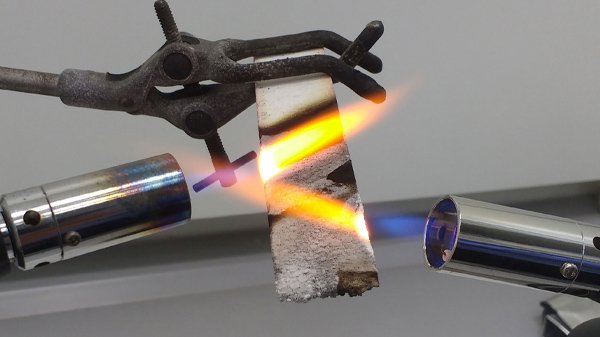
UL 94 is a globally recognized flammability standard developed by Underwriters Laboratories to classify plastic materials based on how they burn when exposed to a small open flame under defined laboratory conditions. It helps determine key fire-related behavior such as ignition tendency, burn time, self-extinguishing ability, and whether the material produces flaming drips.
The practical value of UL 94 is that it gives buyers, designers, and auditors a common language for fire performance. Instead of vague phrases like “flame retardant,” UL 94 provides measurable classifications.
Here’s the uncomfortable truth: supplier datasheets are not a guarantee for your finished part. UL 94 results can change with thickness, formulation changes, reinforcement, processing conditions, and even the exact specimen preparation.
That’s why UL 94 standard services – Kiyo R&D LAB focus on testing the material condition that actually matters: your material, your thickness, your application direction.
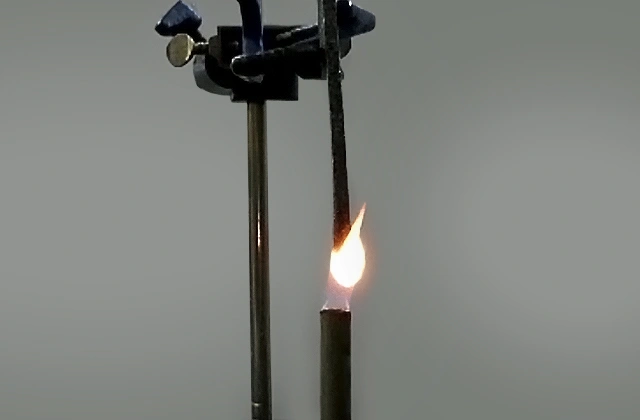
HB is the baseline classification where the specimen is tested horizontally and the burning rate is evaluated. It’s commonly used when applications require basic flammability screening and burn-rate control.
V ratings are more demanding and more relevant for safety-critical parts. The specimen is tested vertically, and performance depends on self-extinguishing time and dripping behavior.
If your product must prevent secondary ignition (for example, drips igniting nearby materials), the difference between V-0 and V-2 is not “minor.” It’s the difference between a controlled behavior and a risk.
At Kiyo R&D LAB, UL 94 testing is commonly performed for:
If you are uncertain whether you should test raw plaques or finished components, we can guide you. The correct approach depends on your compliance requirement and the real use-case risk.
UL 94 is highly sensitive to small variations. That’s why process discipline matters:
The output is not just “pass/fail.” It’s a classification supported by documented observations—exactly what your engineering and compliance teams need.
UL 94 data is widely used across industries where plastic fire behavior is a safety and compliance requirement:
If your customer asks for a UL 94 rating, they’re usually protecting themselves from liability and field failures. Supplying proper test evidence helps you qualify faster and reduce back-and-forth delays.
UL 94 testing is most useful when used early, not only at the finish line:
This is where UL 94 standard services – Kiyo R&D LAB add real value: we help you get data you can act on, not just a label you attach at the end.
Need HB or vertical rating evaluation (V-0/V-1/V-2) for plastic materials? Choose UL 94 standard services – Kiyo R&D LAB for reliable testing and clean documentation.
For faster processing, share: material name/grade, sample thickness, sample form (sheet/molded part), and required classification (HB or V rating).