Materials don’t fail “randomly.” When a part cracks, a seal leaks, a plastic becomes brittle, or a component deforms long before its expected life, there is always a cause. The problem is that many teams stop at the visible symptom and never reach the real reason.
Failure analysis and testing of materials – Kiyo R&D LAB is built for that moment—when you need facts, not opinions. We help manufacturers, OEM suppliers, exporters, and R&D teams identify root causes using disciplined testing and practical engineering logic.
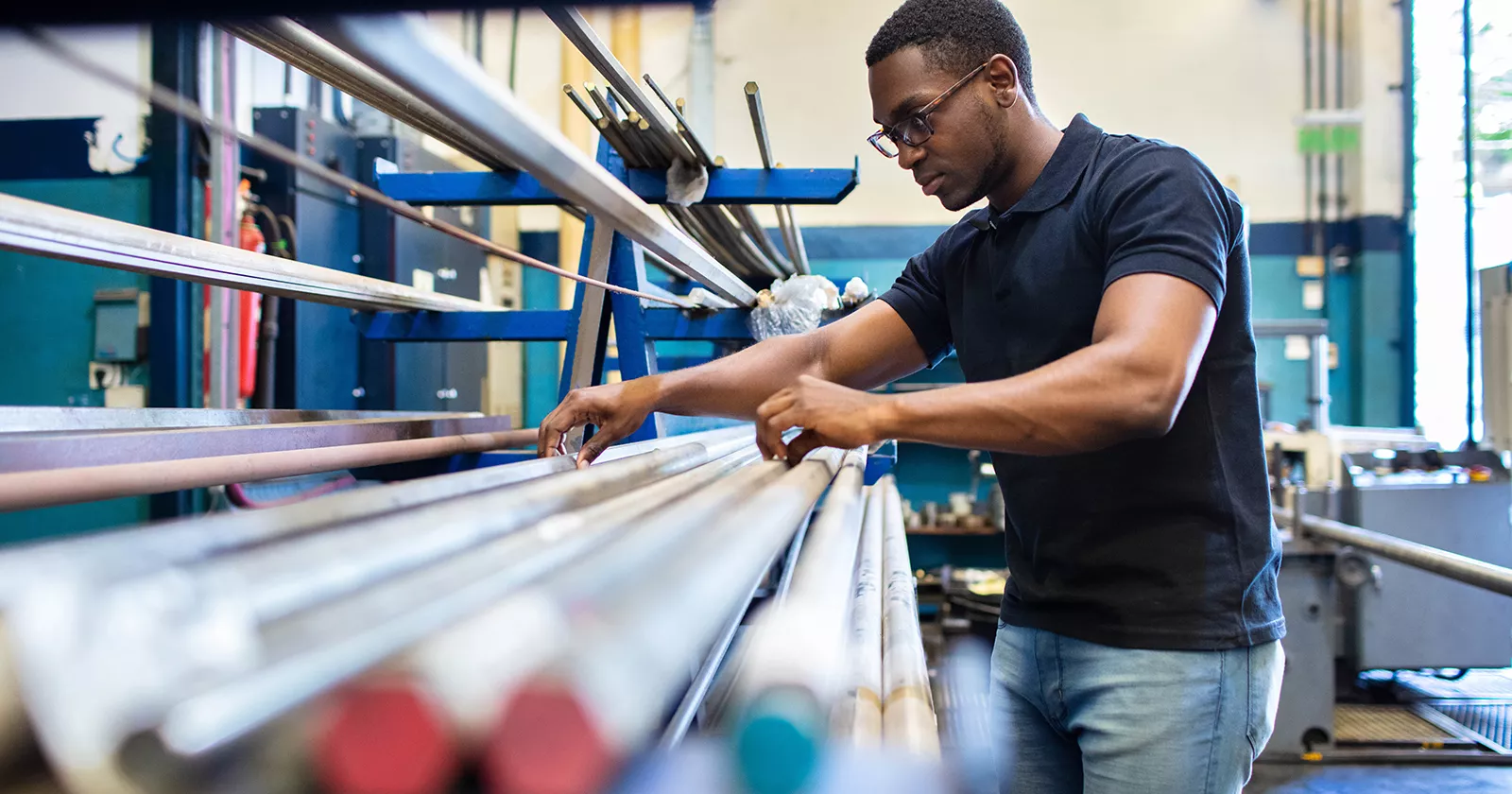
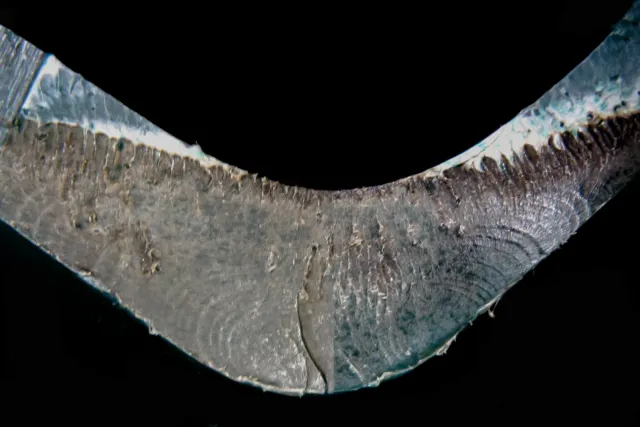
Failure analysis is a structured investigation of a failed component or material to determine: how the failure happened, why it happened, and how to prevent it from repeating. It is not a blame game and it is not just a report for customer closure. Done properly, failure analysis becomes a technical shortcut that saves time, reduces repeat failures, and prevents expensive redesign.
The biggest mistake teams make is jumping to conclusions based on a photo of a crack or a quick hardness reading. Real root causes are rarely that simple. They sit at the intersection of material, process, environment, and design.
Today’s products are optimized for weight, cost, and performance. That means safety margins are smaller, and small deviations cause big problems. A slight formulation drift, a cure change, or an unexpected chemical exposure can turn a stable part into a failure.
Failure analysis reduces these risks by turning “we think” into “we measured.”
Failure modes look similar on the surface, but the reasons behind them can be completely different. At Kiyo R&D LAB, failure investigations commonly involve plastics, rubber, composites, and finished components where performance changed unexpectedly.
Often linked to low-temperature brittleness, aging, stress concentration, wrong grade selection, or chemical stress cracking in polymers.
Frequently caused by thermal exposure, poor stiffness selection, long-term load, or process-driven residual stresses in plastics and composites.
Typically driven by compression set, heat aging, improper cure, or incompatibility with oils/fluids.
Often linked to chemical exposure, oil absorption, additive migration, or long-term environmental aging.
Failure analysis without testing is speculation. Testing without analysis is just numbers. Real answers come from combining both—observing the failure, measuring key properties, and comparing the failed sample against a reference.
A typical investigation may include visual/dimensional checks, mechanical property evaluation, physical comparisons, and exposure-based testing depending on the failure mode. The point is not to run every test available—the point is to run the right tests that answer the right questions.
Polymer failures often happen because real-world conditions exceed design assumptions. A plastic that performs in indoor conditions might fail in heat, oils, UV, or repeated impact. In many cases, the material itself is not “bad”— it’s simply misapplied.
Failure analysis helps separate material selection issues from molding/process issues—because the corrective action depends entirely on that difference.
Rubber failures are often misunderstood because the part may still “look fine” while performance collapses. A seal can be intact and still leak because it has lost recovery force. A gasket can harden and fail quietly after heat exposure.
Testing converts these failures into measurable evidence, which makes corrective actions realistic instead of cosmetic.
When failures involve customers, suppliers, or audits, informal testing creates arguments. Standards-based testing creates clarity. Kiyo R&D LAB supports failure investigations aligned with ASTM / ISO / IS or customer/OEM requirements, as applicable.
The benefit is simple: results become repeatable, defensible, and acceptable to technical stakeholders.
A strong report doesn’t just list results. It should connect evidence to a likely root cause and show a clear path forward. At Kiyo R&D LAB, a useful failure analysis report aims to include:
If you are facing repeat failures, customer complaints, or unexpected material behavior, choose failure analysis and testing of materials – Kiyo R&D LAB for structured investigation and clear reporting.
For faster analysis, share: failed part history, operating conditions (temperature/chemical/load), any recent supplier or process changes, and a reference “good” sample if available.