
When a material fails in service, the damage is rarely limited to the part itself. It affects timelines, customer trust, safety, and cost. Most failures are not random—they happen because material behavior under load was not fully verified. That is why mechanical testing of materials services in chennai – Kiyo R&D LAB are essential for manufacturers, suppliers, QA teams, and researchers who need proof, not assumptions.
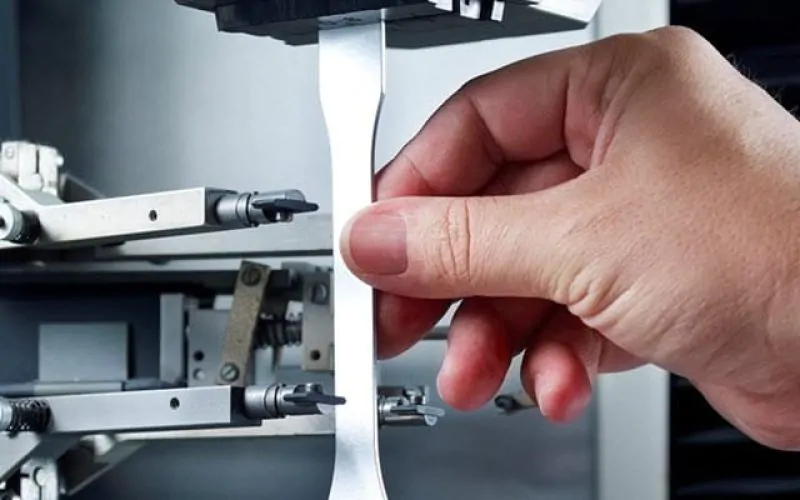
Every material—plastic, rubber, metal, or composite—responds differently to force. Datasheets provide general values, but real performance depends on supplier batch consistency, processing conditions, thickness, geometry, and loading rate. Mechanical testing verifies actual behavior so decisions are based on data.
Mechanical testing studies how materials behave under different forces such as tension (pulling), compression (squeezing), bending, impact, and indentation. These tests help quantify strength, stiffness, ductility, toughness, and failure mode.
Tensile testing measures behavior when pulled until failure and provides tensile strength, yield behavior (where applicable), and elongation at break. It is widely used for plastics, rubbers, metals, and composites for validation and comparison.
Flexural testing evaluates bending performance and stiffness, important for sheets, panels, housings, and structural parts. Flexural strength and modulus help predict deflection and bending-related failure.
Impact testing evaluates resistance to sudden shock loads. Many real failures occur due to impact rather than slow loading. A material can pass tensile testing and still fail under impact conditions, making impact evaluation critical for durability.
Hardness testing measures resistance to indentation and supports incoming checks, batch consistency, and quick screening. While hardness alone does not define strength, it helps detect variation between batches or suppliers.
Compression testing evaluates behavior when a material is squeezed under load. This is important for rubber parts, foams, gaskets, and seals. Additional load-based tests may be selected based on application requirements.
Mechanical testing is only as good as the procedure. Accurate results require correct specimen preparation, appropriate standard selection, controlled loading rates, proper alignment and fixtures, calibrated equipment, and experienced interpretation. Poor testing can hide real weaknesses or create false failures.
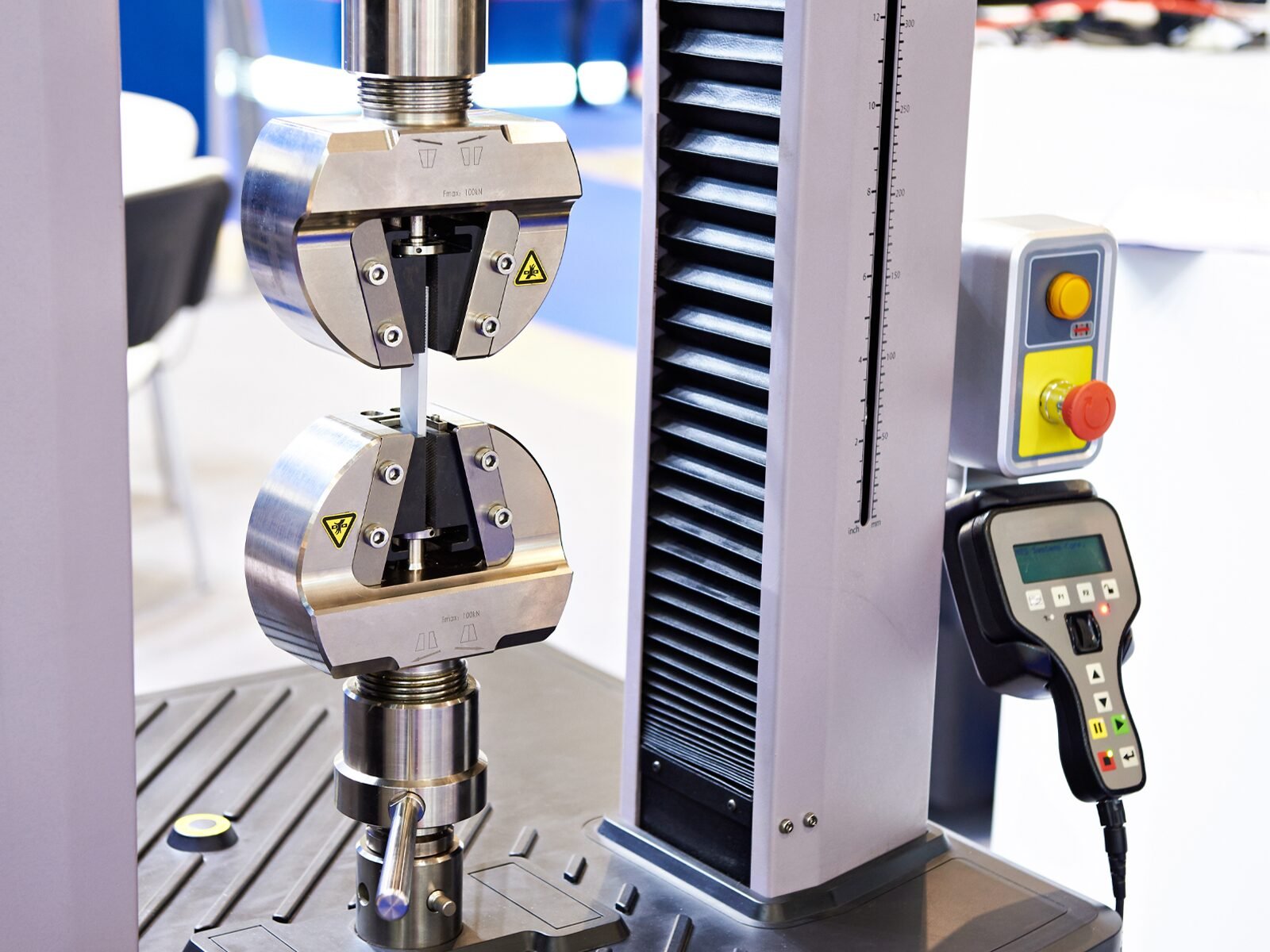
Mechanical failures are expensive, and assumptions are risky. Mechanical testing turns uncertainty into measurable performance. Mechanical testing of materials services in Chennai – Kiyo R&D LAB support smarter decisions through structured testing and clear, audit-ready reporting.