Polymer Testing Labs Services

Plastic & Polymer Testing labs in Chennai (Mechanical + Thermal) – Kiyo R&D LAB

Introduction

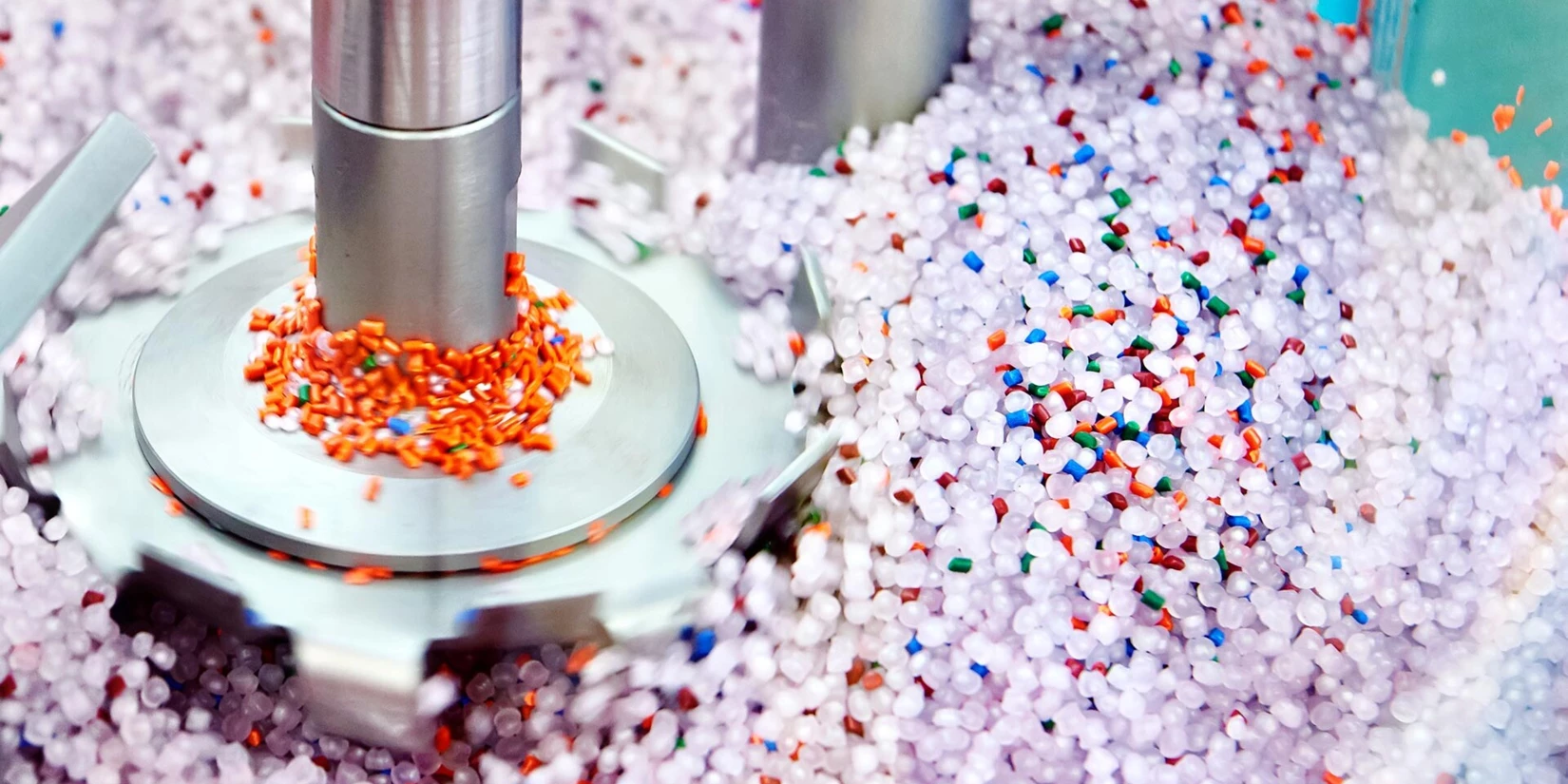
Polymers are engineered materials—not “just plastics.” A material can look perfect and still fail under load, heat, chemicals, or long-term aging. That’s why polymer testing labs services in Chennai – Kiyo R&D LAB matter: they turn assumptions into test-backed decisions for product development, supplier approval, and quality control.
Polymer Testing Labs Services in Chennai | Kiyo R&D LAB

What Are Polymer Testing labs Services?

Polymer testing evaluates the mechanical, thermal, chemical, and durability performance of plastics and polymer-based materials.
It confirms whether a polymer meets standard requirements, OEM specifications, or application needs.
With polymer testing labs services in Chennai – Kiyo R&D LAB, tests are performed under controlled laboratory conditions to
generate repeatable, traceable results.

Why Polymer Testing Is Critical

Polymer failures are often avoidable. Testing helps identify risks early—before production or field failures.
Common issues prevented through polymer testing include:

  • Premature cracking and brittle failure
  • Deformation or creep under load
  • Heat distortion and softening at service temperatures
  • Chemical attack from oils, fuels, solvents, and cleaners
  • UV/weathering damage, fading, and surface degradation
  • Batch-to-batch inconsistency from suppliers

Testing Categories  Offered at Kiyo R&D LAB

1) Mechanical Testing of Polymers

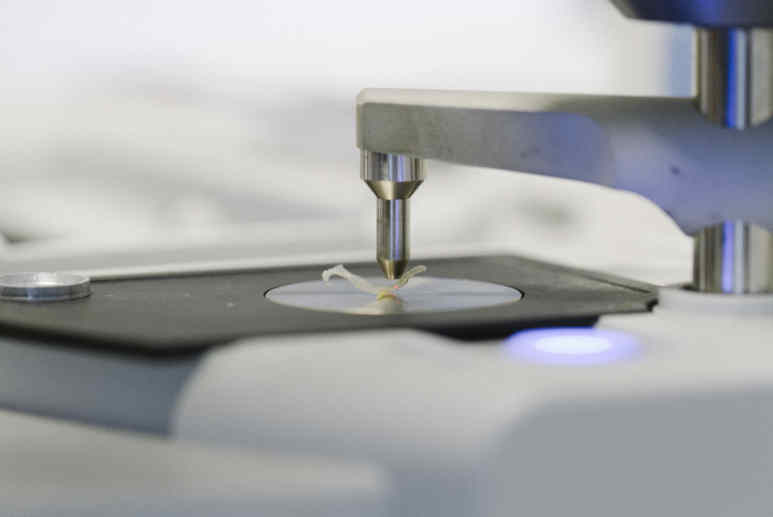
Mechanical testing measures how polymers behave under force and helps validate strength and durability.

  • Tensile testing
  • Flexural (bending) testing
  • Compression testing
  • Impact testing
  • Hardness testing

2) Thermal Testing of Polymers

Thermal tests explain performance at elevated temperatures and confirm thermal stability:

  • DSC (Differential Scanning Calorimetry)
  • TGA (Thermogravimetric Analysis)
  • Heat Deflection Temperature (HDT)
  • Vicat softening temperature

3) Chemical & Environmental Resistance

Polymers often operate in contact with oils, fuels, and chemicals. Testing evaluates resistance and long-term changes:

  • Chemical resistance evaluation
  • Water absorption / moisture effects
  • Environmental exposure and aging studies

4) Non-Destructive Testing (NDT) for Polymers

Some defects are hidden inside molded parts and composites. NDT helps detect:

  • Internal voids and porosity
  • Delamination in composites/laminates
  • Thickness variation and hidden cracks

5) Flammability & Safety Testing

For electrical, automotive, and consumer products, flammability behavior is critical.
Testing helps evaluate burning and safety characteristics as per applicable requirements.

Industries Served

Polymer testing labs services in Chennai – Kiyo R&D LAB support applications across:

  • Automotive plastics and polymer components
  • Electrical and electronics housings
  • Packaging materials
  • Industrial polymer parts
  • Reinforced plastics and composites
  • Startups and product development teams

Standards and Reporting

Testing is performed in alignment with applicable ASTM/ISO/IS standards and customer/OEM specifications.
Reports are structured and clear, supporting QC decisions, validation, audits, and technical documentation.

Support for Final-Year Engineering Students

If your project needs real industrial testing data, Kiyo R&D LAB supports final-year engineering students with practical testing,
result interpretation, and report formats suitable for project submission.
Polymer Testing Labs Services in Chennai | Kiyo R&D LAB

Conclusion

Polymer selection without testing is guessing. If you want reliable performance, fewer failures, and stronger compliance, choose polymer testing labs services in Chennai – Kiyo R&D LAB and validate your material with evidence.

FAQ

What does a polymer testing lab do?

A polymer testing lab evaluates plastics and polymer materials for strength, thermal stability, chemical resistance, and durability to confirm suitability for an application or standard.

Which tests are commonly done for plastics?

Common tests include tensile, flexural, impact, hardness, DSC, TGA, HDT, water absorption, chemical resistance, and application-based NDT.

Why is thermal testing (DSC/TGA) important for polymers?

Thermal testing identifies melting/transition behavior and degradation limits, helping predict performance at different service temperatures.

Can polymer testing help in supplier approval?

Yes. Testing verifies batch consistency and confirms whether materials meet required specifications before production.

Do you support final-year engineering student polymer projects?

Yes. Kiyo R&D LAB supports student projects with practical testing, result interpretation, and report formats suitable for submission.
Call Now Button