Materials behave differently when exposed to heat. Some lose moisture, some release volatile compounds, some decompose, and some leave behind filler or ash content. If these thermal changes are not understood, product performance becomes uncertain. This is why thermogravimetric analysis in Oragadam – Kiyo R&D Center & Laboratory is important for manufacturers, researchers, quality teams, and product development engineers.
At Kiyo R&D Center & Laboratory, we provide reliable TGA testing support for plastics, polymers, rubber, coatings, composites, powders, and industrial materials. Thermogravimetric analysis helps customers understand thermal stability, decomposition behavior, moisture content, volatile content, filler percentage, and residue formation under controlled heating conditions.
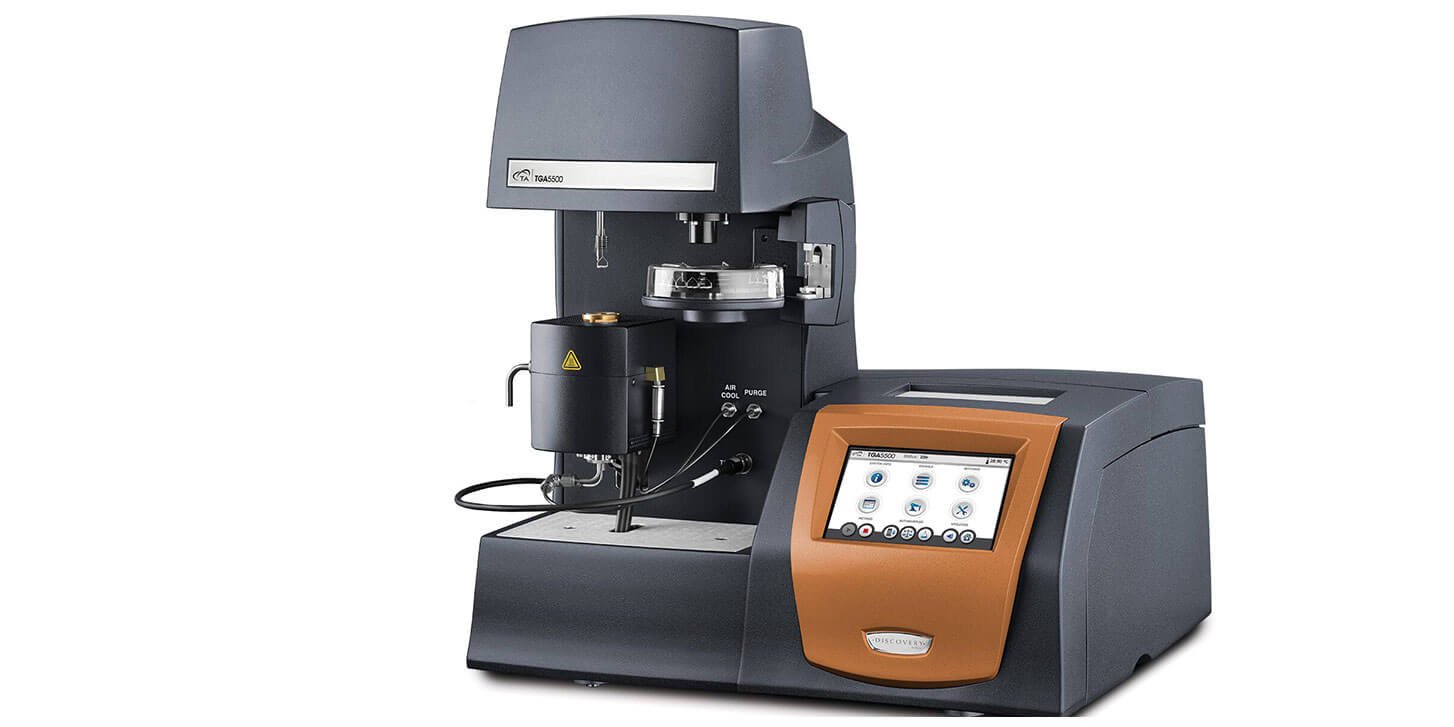
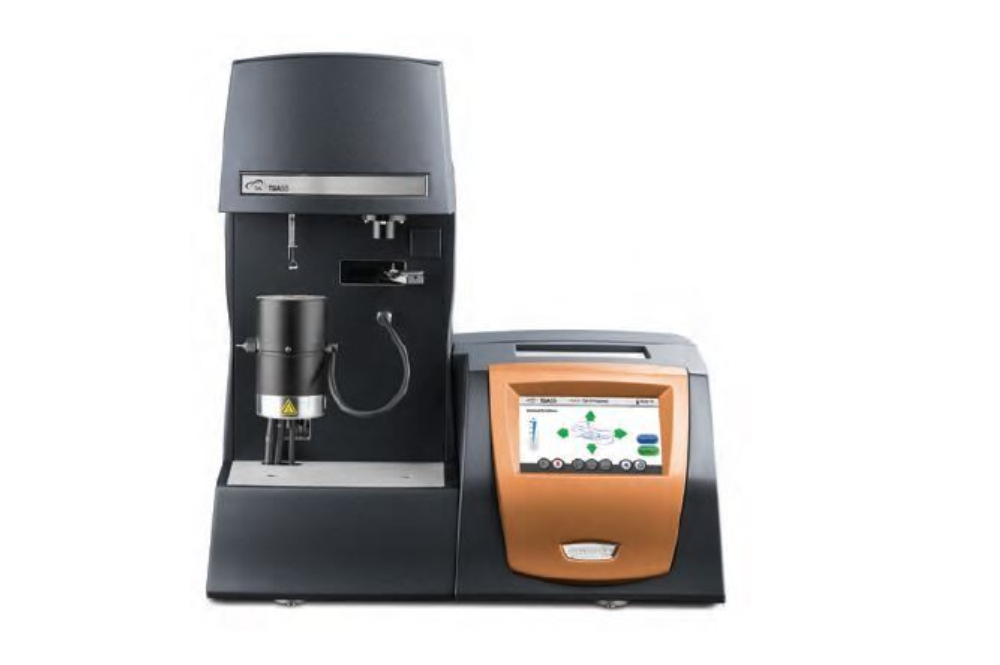
Thermogravimetric Analysis, commonly called TGA, is a thermal analysis technique that measures the change in sample weight as temperature increases. The test records how much weight a material loses at different temperatures and helps identify different stages of thermal behavior.
In simple terms, TGA answers one practical question: what happens to this material when it is heated? The answer is useful for quality control, product development, supplier comparison, and failure investigation.
Ignoring thermal behavior is a poor decision if your material is exposed to heat during processing, storage, or service. A plastic part may degrade during molding. A coating may lose volatile content. A rubber material may show poor thermal stability. A composite may have inconsistent filler content.
By choosing thermogravimetric analysis in Oragadam – Kiyo R&D Center & Laboratory, customers can:
A small quantity of sample is placed in the TGA instrument and heated under controlled conditions. As the temperature increases, the instrument continuously records weight changes. The result is shown as a curve of weight loss versus temperature or time.
The curve helps identify stages such as moisture loss, volatile release, polymer degradation, oxidation, and final residue formation. Proper interpretation is critical. A TGA graph without explanation is not enough for practical decision-making.
TGA is widely used in plastics, rubber, coatings, composites, packaging, automotive materials, electronics materials, powders, and research applications. It is useful when a customer needs to understand how a material behaves under heat or why a material has failed in thermal conditions.
Common applications include polymer thermal stability testing, filler content evaluation, ash content determination, comparison of raw material batches, thermal degradation study, and investigation of failed or unknown materials.
Not all labs provide useful TGA reports. Some only give curves and leave the customer to interpret them. That is not enough. Kiyo R&D Center & Laboratory focuses on accurate testing, proper method handling, and clear reporting that helps clients make decisions.
Thermogravimetric analysis is a valuable tool for understanding material behavior under heat. It provides clear information about weight loss, decomposition, moisture, volatile content, filler content, and residue formation. For industries that depend on material performance, this information is not optional.
If you are looking for accurate thermogravimetric analysis in Oragadam – Kiyo R&D Center & Laboratory, our team can support your testing requirements with reliable TGA analysis, technical interpretation, and professional reporting.
You can get thermogravimetric analysis in Oragadam at Kiyo R&D Center & Laboratory for plastics, polymers, rubber, coatings, composites, powders, and industrial materials. The test helps evaluate thermal stability, filler content, ash content, moisture loss, and decomposition behavior.
TGA testing shows how the weight of a material changes when it is heated. It can indicate moisture content, volatile loss, decomposition temperature, thermal stability, filler content, ash content, and final residue percentage.
Manufacturers should use TGA analysis before raw material approval because it helps confirm whether the material is thermally stable and consistent with the approved reference sample. It can also detect supplier variation, filler differences, and unexpected volatile content.
Yes. Early weight loss in a TGA curve can indicate moisture, solvents, plasticizers, or volatile content depending on the material and temperature range. This is useful for materials affected by drying, storage, or processing conditions.
Yes. TGA is suitable for rubber and elastomer materials. It can help evaluate polymer degradation, carbon black or filler content, volatile loss, and ash residue depending on the test method and atmosphere used.
TGA measures weight change with temperature and shows thermal behavior, filler content, moisture loss, and decomposition stages. FTIR identifies chemical bonds and material type. For stronger material investigation, both tests may be used together.
Kiyo R&D Center & Laboratory provides thermogravimetric analysis with reliable testing, practical interpretation, and professional reporting. The focus is not just generating a graph, but helping customers understand what the result means for material quality, product performance, and failure prevention.