Material identification cannot be handled by guesswork. When a product fails, a material looks suspicious, or a customer needs proof of composition, surface appearance alone is useless. You need molecular-level evidence. This is where Raman analysis services in Oragadam – Kiyo R&D Center & Laboratory help manufacturers, researchers, and quality teams make better technical decisions.
Kiyo R&D Center & Laboratory provides Raman spectroscopy support for polymers, chemicals, coatings, powders, residues, particles, and advanced materials. Raman analysis is useful for identifying unknown substances, checking contamination, comparing samples, and supporting failure analysis without unnecessary sample damage.
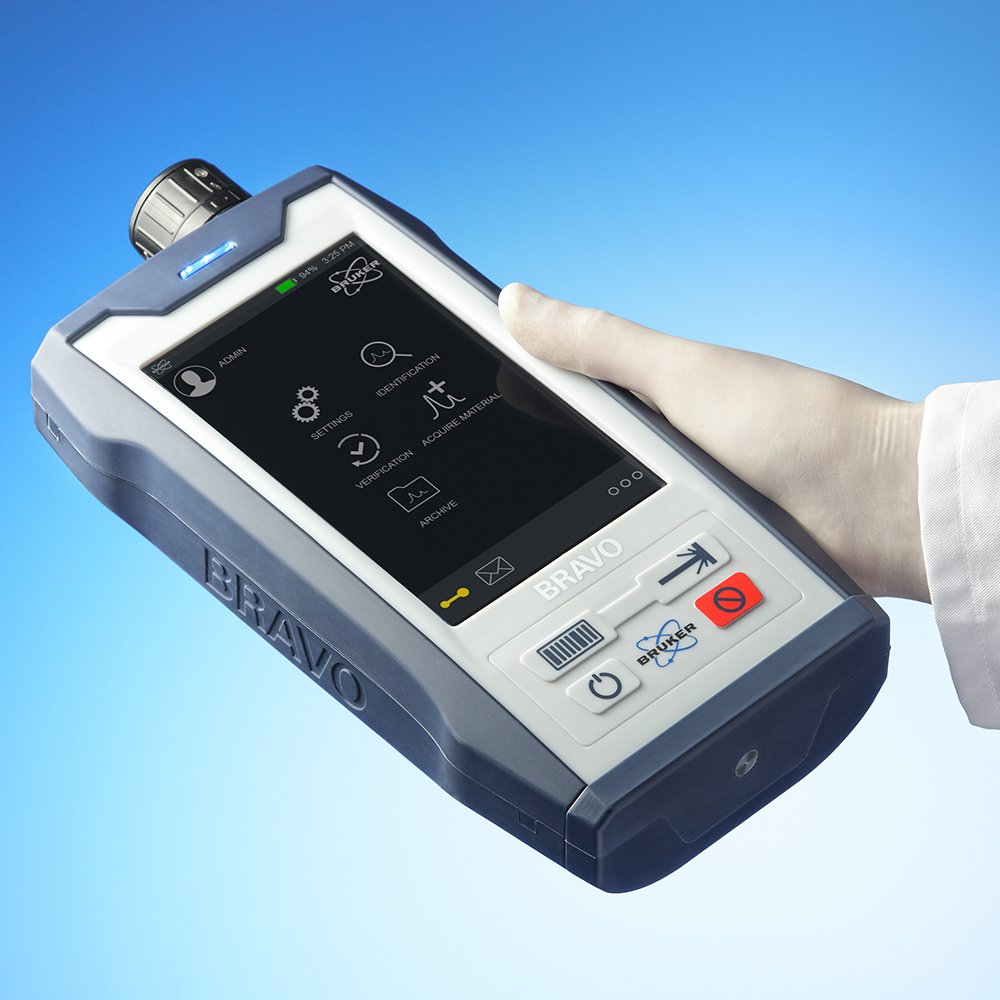
Raman analysis is a spectroscopy technique used to study the molecular structure of a material. A laser is focused on the sample, and the scattered light is measured. The shift in scattered light creates a Raman spectrum, which acts like a molecular fingerprint.
In simple terms, Raman analysis helps answer this question: what is this material at the molecular level? That makes it useful for material identification, formulation comparison, contamination analysis, and research applications.
Wrong material identification leads to wrong decisions. A supplier may send an incorrect material, a product may fail because of contamination, or a coating may behave differently because of formulation variation. If you do not test properly, you are only assuming.
By choosing Raman analysis services in Oragadam – Kiyo R&D Center & Laboratory, customers can:
Raman spectroscopy works by directing a laser onto the sample surface. Most of the light scatters without change, but a small portion interacts with molecular vibrations and shifts in energy. This shifted light is collected and converted into a Raman spectrum.
The spectrum is then interpreted to identify molecular structure or compare the sample with known references. For many samples, Raman testing requires minimal preparation and can be non-destructive, which is useful when sample quantity is limited or the sample must be preserved.
Raman analysis is useful across multiple industries because it gives clear molecular-level information. It is commonly used for polymer identification, chemical verification, pharmaceutical material screening, coating analysis, pigment identification, contamination study, powder analysis, and failure investigation.
For plastic and polymer materials, Raman can help identify polymer families and compare material differences. For coatings and pigments, it can support formulation and material verification. For unknown particles or residues, Raman can help identify whether the issue is organic, chemical, or material-related.
A Raman spectrum alone is not enough. Clients need interpretation that connects the result to the actual problem. Kiyo R&D Center & Laboratory focuses on practical analysis, clear reporting, and useful technical observations.
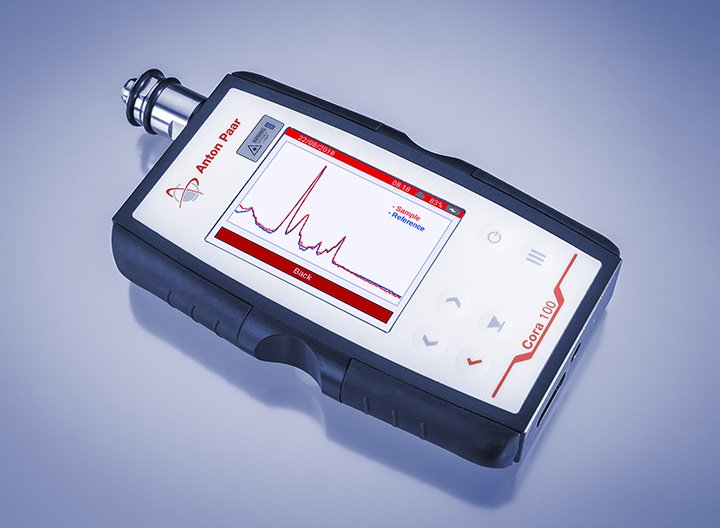
Raman analysis is a strong method for identifying materials at the molecular level. It helps reduce guesswork, verify materials, detect contamination, and support product investigation. For industries that cannot afford wrong assumptions, Raman spectroscopy gives valuable technical clarity.
If you are looking for reliable Raman analysis services in Oragadam – Kiyo R&D Center & Laboratory, our team can support your requirement with Raman spectroscopy testing, practical interpretation, and professional reporting.
In many cases, Raman analysis is non-destructive or minimally destructive. This is useful when the sample is small, valuable, or needs to be preserved after analysis.
Plastics, polymers, coatings, chemicals, pharmaceuticals, electronics, automotive materials, research laboratories, and product development teams commonly use Raman analysis for material verification and investigation.
Turnaround time depends on sample condition, number of samples, comparison requirement, and reporting scope. Simple identification may be faster, while detailed investigation may take longer.
Clients should choose Kiyo R&D Center & Laboratory because the lab provides Raman analysis with practical interpretation, professional reporting, and technical support for material identification, quality control, R&D, and failure investigation.