
Foam is one of those problems most industries underestimate—until it starts causing visible defects, process instability, or customer complaints. Whether it’s paints, coatings, adhesives, detergents, polymers, or industrial liquids, uncontrolled foam directly affects product performance, appearance, and consistency.
That’s exactly why foam testing laboratory services in india – Kiyo R&D LAB are becoming increasingly important for manufacturers who want predictable quality rather than trial-and-error fixes.
Foam is not just air bubbles. It is a process variable that influences flow, coating thickness, surface finish, curing behavior, and even long-term durability.
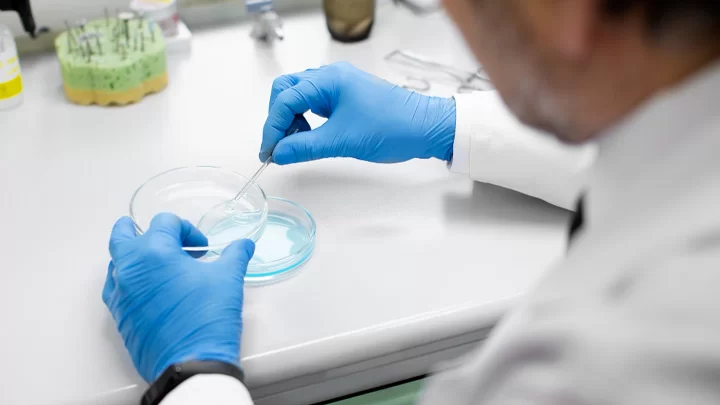
Foam is formed when air or gas becomes trapped in a liquid, stabilized by surfactants or additives. In many industrial formulations, foam is unavoidable—but uncontrolled foam is a problem.
Excessive or stable foam can lead to:
Without proper testing, manufacturers often adjust formulations blindly, increasing costs and introducing new problems. This is where foam testing laboratory services in india – Kiyo R&D LAB provide structured, data-driven answers.
Foam testing is relevant across multiple industries, including:
If your product involves mixing, agitation, pumping, spraying, or filling, foam behavior affects your final quality—whether you acknowledge it or not.
Many companies try to judge foam visually on the shop floor. That approach is unreliable.
Foam behavior depends on:
Using foam testing laboratory services in india – Kiyo R&D LAB ensures:
Lab testing turns foam from a “process headache” into a measurable parameter.
This test evaluates how much foam is generated when a liquid is agitated under defined conditions. High foam height often indicates excessive surfactant activity, poor formulation balance, and risk of surface defects or filling issues.
Foam stability measures how long the foam persists before collapsing. Short-lived foam may not affect performance, but stable foam can remain trapped in the product or coating. Persistent foam is far more damaging than temporary foam.
This test observes how quickly foam breaks down and how liquid drains from foam bubbles. Slow collapse usually points to strong foam stabilization or ineffective defoamer performance.
Defoamers are commonly added to control foam—but the wrong defoamer can cause new defects. Testing evaluates effectiveness, compatibility with the base formulation, and risk of side effects like craters or fisheyes. This avoids expensive formulation mistakes.
Testing can simulate real conditions such as high-speed mixing, pump circulation, and spray/coating application, ensuring lab results match actual production behavior—not just theoretical performance.
Manufacturers often misdiagnose foam-related issues as application or operator errors. In reality, foam is the root cause of many failures:
Foam testing helps identify these issues before they become customer-facing problems.
During formulation development, foam behavior is often ignored until the final stages. This is a costly mistake.
By integrating foam testing laboratory services in india – Kiyo R&D LAB early in R&D:
Foam testing reduces dependency on repeated plant trials and last-minute adjustments.
Foam testing may appear simple, but poorly controlled tests give misleading results. Professional lab testing ensures controlled temperature and agitation, defined volumes and timings, documented procedures, and technically valid reports.
For manufacturers supplying to OEMs or regulated industries, this level of discipline is non-negotiable.
foam testing laboratory services in india – Kiyo R&D LAB are designed for manufacturers who need clarity, not guesswork.
Key strengths include:
This helps manufacturers make confident decisions instead of reacting to problems after production starts.
The real value of foam testing lies in prevention.
Instead of dealing with line stoppages, rework and scrap, customer complaints, or brand damage, manufacturers can:
Foam testing shifts quality control from reactive to proactive.

Foam is not a minor inconvenience—it is a critical quality variable. Ignoring it leads to defects, inefficiencies, and avoidable costs.
By choosing foam testing laboratory services in india – Kiyo R&D LAB, manufacturers gain the ability to understand, control, and optimize foam behavior under real-world conditions.
Because in industrial production, what looks like a small bubble problem often turns into a big quality failure later. If performance, consistency, and reliability matter, foam testing is not optional—it’s essential.