Rubber parts almost never fail immediately. They fail quietly over time—after heat, compression, oil contact, repeated flexing, or long storage. When a seal leaks or a gasket loses its shape, most teams ask, “What went wrong?” The smarter question is, “What did we not verify early enough?”
Rubber lab testing services – Kiyo R&D LAB help you validate rubber materials and components before failures reach customers. We focus on practical, application-driven testing that supports real decisions— not just numbers on a report.
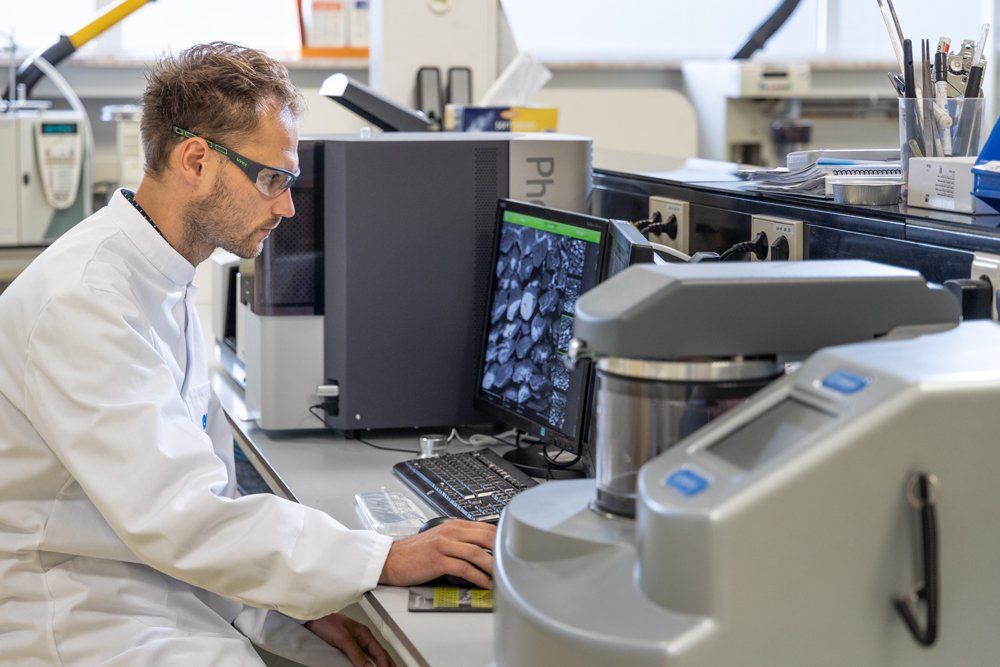
Rubber is sensitive. Two parts that look identical can behave differently because rubber performance depends on compounding, curing, processing, and even small formulation changes. Add real-world exposure—heat, oil, humidity, compression—and the differences become costly.
Relying only on supplier datasheets is risky because datasheets rarely represent your exact thickness, cure condition, or end-use environment. Testing your actual sample is how you stop guessing.
Rubber testing is a performance evaluation of elastomeric materials and rubber components under mechanical loads and environmental exposure. It helps answer questions that matter in production and in the field:
At Kiyo R&D LAB, we test raw compounds, molded specimens, and finished rubber parts (where applicable), because real components often behave differently than ideal lab samples.
Depending on your application needs, we support testing for common elastomers such as natural rubber (NR), EPDM, NBR (nitrile), silicone, and other blends used in automotive and industrial products.
Typical parts tested include seals, gaskets, O-rings, hoses, mounts, pads, covers, and rubber-coated components.
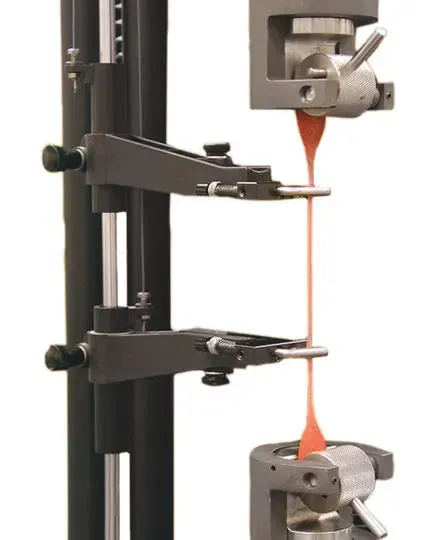
Tensile strength and elongation help you understand how much load and stretch the rubber can take before failure. These results are essential for flexible parts that must resist tearing and cracking during use.
Hardness influences fit, compression behavior, and feel. Changes in hardness after aging or fluid exposure often indicate real performance drift that customers will notice as leaks, noise, or premature failure.
Compression set measures permanent deformation after compressing the rubber for a defined time and temperature. For seals and gaskets, low compression set is not “nice to have”—it’s the difference between sealing and leaking.
Heat aging evaluates how properties change over time under elevated temperature. Many rubber failures are simply aging failures—loss of elongation, increase in hardness, and gradual embrittlement.
Immersion testing checks volume/mass change and property retention after exposure to oils or fluids. This matters for automotive, industrial, and sealing applications where swelling can destroy function.
Thickness, density, and visual evaluation may sound basic, but they catch processing drift early. Small dimensional variation can cause major assembly and fitment issues.
Rubber testing only becomes valuable when methods are consistent and traceable. Kiyo R&D LAB supports standards-based testing aligned with ASTM / ISO / IS and customer specifications, depending on the requirement.
This protects you in audits and supplier discussions. If a customer rejects a batch, a standards-based report gives you defensible evidence—not opinions.
The best time to test rubber is before you lock production decisions. The most common time companies test is after field failures. Both are possible—but one costs far less.
If you need reliable results for seals, gaskets, hoses, and elastomer components, choose rubber lab testing services – Kiyo R&D LAB for disciplined testing and clear reporting.
To start quickly, share: rubber type (if known), part application, sample form, thickness, and exposure conditions (heat/oil/compression) relevant to your product.