ASTM E290 Test Services

Chennai ASTM E290 Bend Test for Metals | Accurate Reports – Kiyo R&D LAB

Introduction

Bend performance is one of the simplest ways to expose a material’s true behavior under deformation. Metals used in fabrication, structural assemblies, automotive parts, and industrial components must withstand bending during manufacturing and service. If a metal cracks during bending, it can indicate brittleness, poor processing, or hidden defects. That’s why companies choose ASTM E290 test services in Chennai – Kiyo R&D LAB for guided bend testing that helps verify ductility, detect cracks, and support compliance documentation.
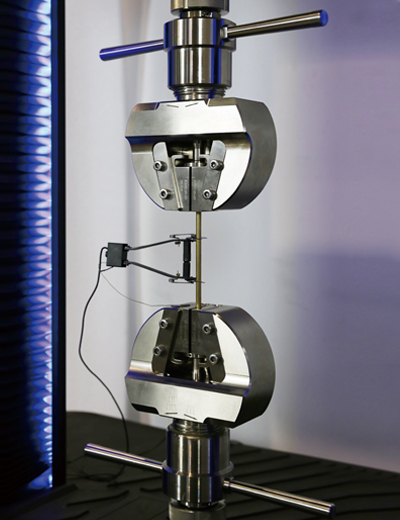
ASTM E290 Test Services in Chennai – Kiyo R&D LAB (Guided Bend Test)

What is ASTM E290?

ASTM E290 is a standard test method for guided bend testing of metallic materials. A specimen is bent to a specified angle or around a defined radius under controlled conditions. After bending, the specimen is examined for cracks, fractures, or other surface defects. This provides a practical evaluation of ductility and formability.

With ASTM E290 test services in Chennai – Kiyo R&D LAB, manufacturers can verify whether materials meet project or customer bend requirements before production or installation.

Why Bend Testing Matters

  • Checks ductility and formability for fabrication and forming operations
  • Helps detect brittle behavior that can lead to sudden failures
  • Identifies cracks after bending caused by poor processing or defects
  • Supports welding qualification checks and quality assurance
  • Provides documentation for audits, inspections, and approvals

What the ASTM E290 Test Evaluates

  • Ability to bend without cracking
  • Surface crack initiation and visibility
  • Material toughness indication under deformation
  • Forming suitability for manufacturing processes
  • Compliance with specified bend angle/radius criteria

Industries That Use ASTM E290 Testing

  • Structural steel and construction materials
  • Automotive and heavy engineering fabrication
  • Oil & gas pipelines and industrial metal components
  • Welding and metal processing industries
  • Manufacturing QC and third-party inspection programs

When Should You Perform ASTM E290 Testing?

  • Incoming raw material approval
  • Fabrication trials and process validation
  • Routine batch QC checks
  • Welding inspection and qualification support
  • Failure analysis and corrective action studies

ASTM E290 test services in Chennai – Kiyo R&D LAB support both routine quality checks and critical project approvals where bend performance is mandatory.
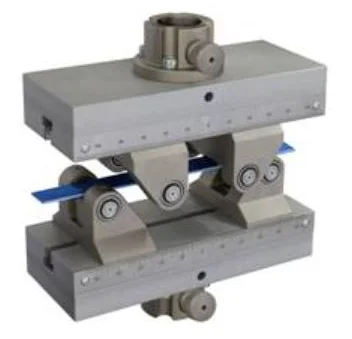
ASTM E290 Test Services in Chennai – Kiyo R&D LAB (Guided Bend Test)

Conclusion

Choosing professional ASTM E290 test services in Chennai – Kiyo R&D LAB ensures accurate evaluation, standard compliance, and dependable performance verification. Whether you are approving raw materials, validating fabrication processes, or ensuring structural safety, reliable bend testing provides the data needed to make confident decisions. In engineering and construction, strength must be proven—not assumed. And that proof begins with accurate ASTM E290 bend testing from a trusted laboratory.

Contact

Kiyo R&D Center & Laboratory – Advanced Materials Centre, Chrompet, Chennai
Kiyo R&D Center & Laboratory – Innovation Centre, Oragadam, Chennai
Phone: 090876 86986
Website: www.kiyorndlab.com

FAQ

What is ASTM E290?

ASTM E290 is a standard test method for guided bend testing of metallic materials to evaluate ductility and detect cracks after bending.

What does the ASTM E290 test measure?

It checks a material’s ability to bend to a specified angle/radius without cracking, indicating ductility and formability.

Which materials are commonly tested?

Steel, stainless steel, and other metallic materials used in fabrication, welding, structural, and industrial applications.

Why is bend testing important?

It helps detect brittle behavior, improper heat treatment, welding defects, and internal discontinuities that may cause failures.

When should ASTM E290 testing be done?

During raw material approval, fabrication trials, routine QC, welding qualification checks, and failure investigations.

Do you provide client/audit-ready reports?

Yes—reports typically include specimen details, test conditions, bend angle/radius, observations (cracks/defects), and compliance status.
Call Now Button