Cross Cut Paint Test in Chennai

Coating Adhesion Testing (Cross Cut) – Chennai Lab | Kiyo R&D LAB

Introduction

Paint and protective coatings do more than improve appearance. They protect surfaces from corrosion, moisture, chemicals, and daily wear. But even the best-looking paint can fail quickly if adhesion is weak. Peeling, flaking, blistering, and chipping are often signs of poor bonding between the coating and the substrate.

This is why manufacturers depend on Cross cut paint test in Chennai – Kiyo R&D LAB to verify coating adhesion as part of routine quality control and product approvals. The cross cut method is simple, fast, and standardized—making it a practical tool for comparing batches and validating coating processes.
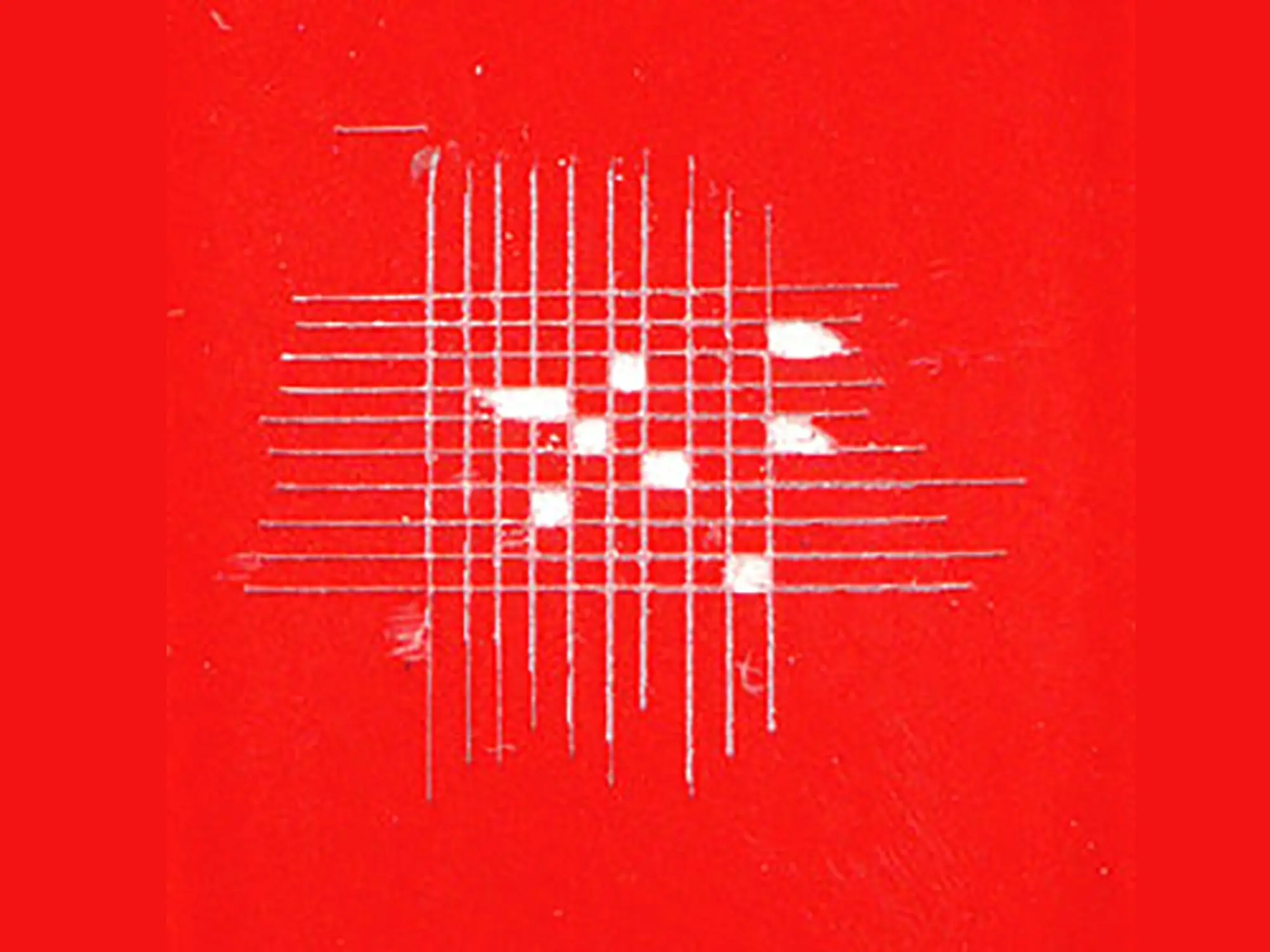
Cross Cut Paint Test in Chennai – Kiyo R&D LAB (ASTM D3359 / ISO 2409)

What is a Cross Cut Paint Test?

The cross cut paint test (also called the cross-hatch adhesion test) evaluates how well a paint or coating adheres to a surface. A defined grid pattern is cut into the coating film using a special cutting tool. Adhesive tape is applied over the grid and removed in a controlled way. The test area is then inspected to see how much coating is removed.

If large sections of coating come off, adhesion is poor. If the coating stays intact with minimal removal, adhesion is strong. This method is widely used because it gives quick, repeatable insight into coating quality.

Why Cross Cut Paint Testing is Important

  • Verifies adhesion strength: Confirms bonding between paint film and substrate.
  • Prevents coating failure: Identifies risk of peeling and flaking before products reach customers.
  • Supports quality control: Helps maintain consistency across batches and vendors.
  • Improves coating process: Highlights issues with surface preparation, curing, or primer selection.
  • Meets customer and standard requirements: Many industries require adhesion ratings for approvals.

For manufacturers dealing with coating durability, Cross cut paint test in Chennai – Kiyo R&D LAB provides a clear and practical way to check adhesion quality.

Industries That Commonly Use Cross Cut Adhesion Testing

Cross cut paint testing is widely used in sectors where coating performance affects durability and corrosion protection:

  • Automotive: painted body parts, brackets, panels, and components
  • Appliances & consumer products: coated housings, frames, metal and plastic assemblies
  • Construction & infrastructure: steel structures, coated hardware, fabricated parts
  • Industrial manufacturing: machinery parts, enclosures, coated tools
  • Marine / oil & gas: corrosion protection coatings for harsh environments

Standards Used for Cross Cut Paint Testing

To ensure repeatable and comparable results, cross cut adhesion testing is performed according to recognized standards. Commonly referenced standards include:

  • ASTM D3359 – Standard test methods for measuring adhesion by tape test (includes cross-hatch method)
  • ISO 2409 – Paints and varnishes – Cross-cut test

At Kiyo R&D LAB, Cross cut paint test in Chennai – Kiyo R&D LAB is conducted as per relevant standard requirements based on your product and customer specification.

How the Cross Cut Paint Test is Performed

  1. Surface inspection: The coated area is checked for cleanliness and suitability.
  2. Grid cutting: A cross-cut tool creates a defined grid pattern through the coating film.
  3. Tape application: Standard adhesive tape is pressed firmly over the grid area.
  4. Tape removal: The tape is removed quickly at a defined angle and speed.
  5. Rating: Coating removal is inspected and rated as per ASTM/ISO classification system.

The final rating helps determine whether the coating meets acceptance criteria for adhesion performance.

Common Reasons for Poor Adhesion

If a coating fails the cross cut test, the issue is usually not “bad paint” alone. Common causes include:

  • Inadequate surface preparation (poor cleaning, insufficient roughness, no pretreatment)
  • Surface contamination (oil, dust, moisture)
  • Incorrect primer or incompatible coating layers
  • Improper curing (time/temperature not maintained)
  • Incorrect film thickness (too thick or too thin)
  • Application process issues (spray parameters, mixing ratio, pot life problems)

Why Choose Kiyo R&D LAB for Cross Cut Paint Test in Chennai?

  • Standard-based testing: Adhesion evaluation as per ASTM D3359 / ISO 2409 where applicable.
  • Clear reporting: Simple, decision-ready results for QC, vendor approvals, and audits.
  • Supports multiple substrates: Painted metals, coated plastics, powder coatings and industrial parts.
  • Practical guidance: Helps identify likely causes when adhesion results are weak.

If your goal is to reduce peeling complaints and improve coating reliability, choose Cross cut paint test in Chennai – Kiyo R&D LAB.
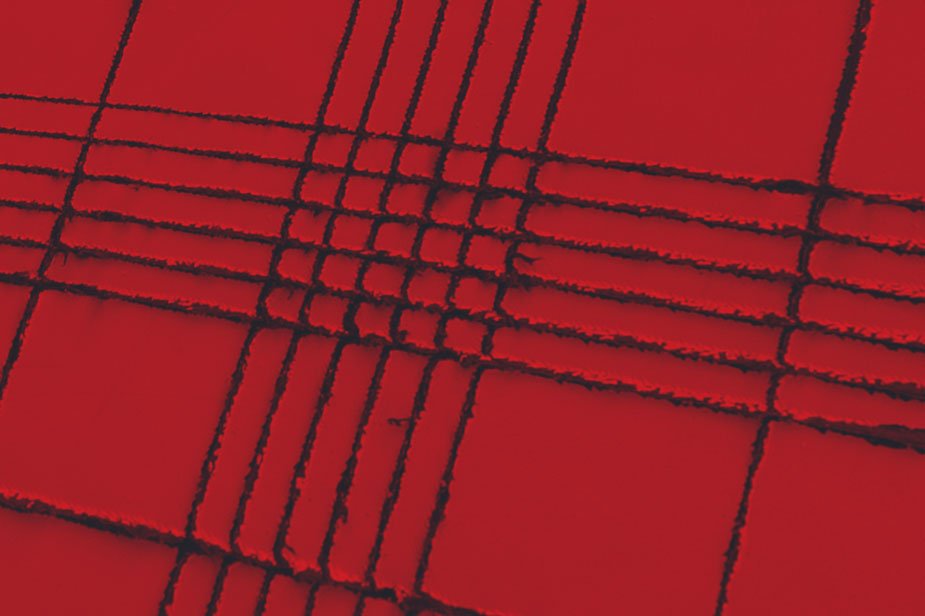
Cross Cut Paint Test in Chennai – Kiyo R&D LAB (ASTM D3359 / ISO 2409)

Conclusion

Coating adhesion is a make-or-break factor for paint durability. The cross cut paint test is a fast and trusted way to validate adhesion and prevent coating failure in real-world use. With standard-based procedures and clear reporting, Cross cut paint test in Chennai – Kiyo R&D LAB supports manufacturers in maintaining coating quality across batches, vendors, and product lines.

FAQ

What is a cross cut paint test?

It is a coating adhesion test where a grid (cross-hatch) is cut into the paint film, tape is applied and removed, and the coating removal is rated.

Which standards are used for cross cut paint adhesion testing?

Common standards include ASTM D3359 (tape test / cross-hatch method) and ISO 2409 (cross-cut test).

What does the cross cut test result indicate?

It indicates how strongly the paint/coating adheres to the substrate. Better ratings mean stronger adhesion and lower risk of peeling.

What materials can be tested using cross cut method?

Painted metals, coated plastics, powder-coated parts, painted panels, and industrial components with thin-to-medium coatings.

What are the common reasons for poor adhesion in cross cut test?

Poor surface preparation, contamination (oil/dust), wrong primer selection, improper curing, incorrect film thickness, or incompatible coating layers.

When should cross cut adhesion testing be done?

During coating development, incoming inspection, batch QC, vendor approval, and failure investigation (peeling/flaking complaints).
Call Now Button