Glow Wire Test Services in Chennai

Glow Wire Testing for Electrical Plastics in Chennai | Kiyo R&D LAB

Introduction

Electrical and electronic products are expected to do more than function properly. They must also remain safe under abnormal conditions. One of the biggest risks in electrical systems is overheating. When internal components become too hot, nearby plastic parts may soften, ignite, or continue burning. That is not a small issue. It is a direct product safety problem.

This is why manufacturers look for glow wire test services in Chennai – Kiyo R&D LAB. The purpose is straightforward: to evaluate how plastic and insulating materials behave when exposed to a heated element that simulates an overheating electrical part. If a material fails here, it can become a real-world fire risk later.

At Kiyo R&D LAB, glow wire testing supports electrical safety evaluation for plastic materials and components used in appliances, electronics, automotive electrical systems, and industrial equipment.
Glow Wire Test Services in Chennai – Kiyo R&D LAB

What is a Glow Wire Test?

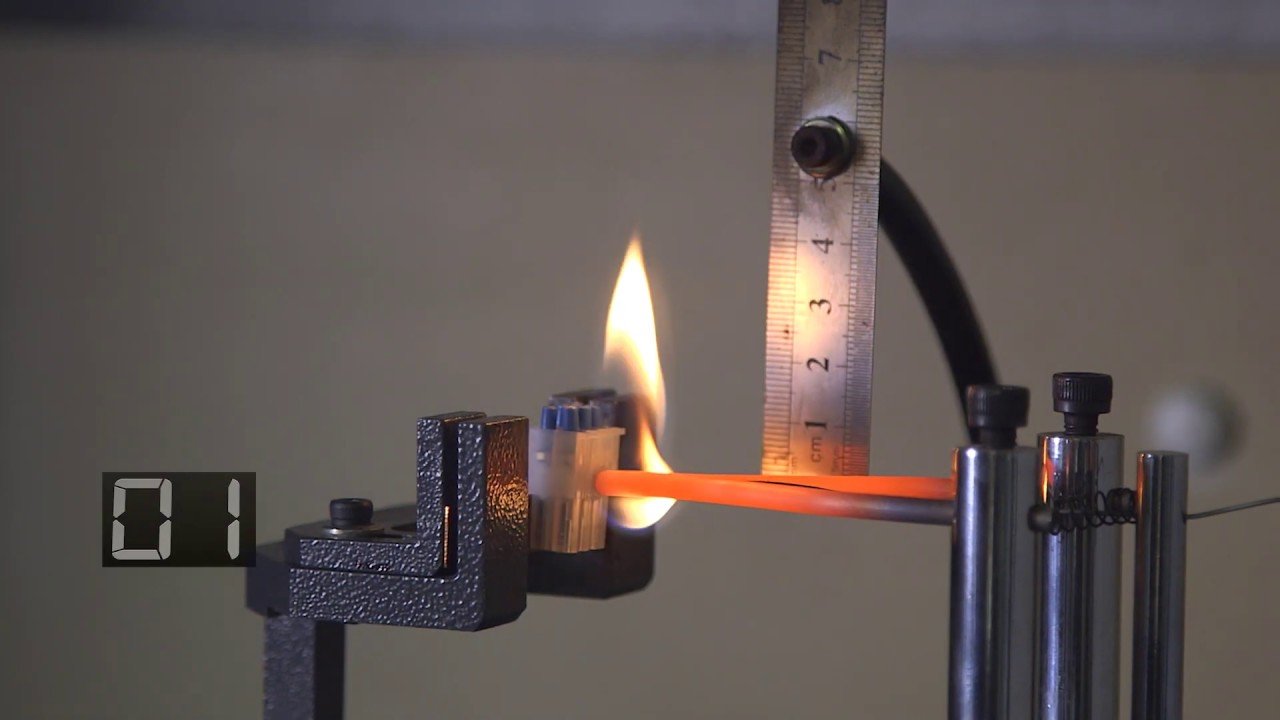
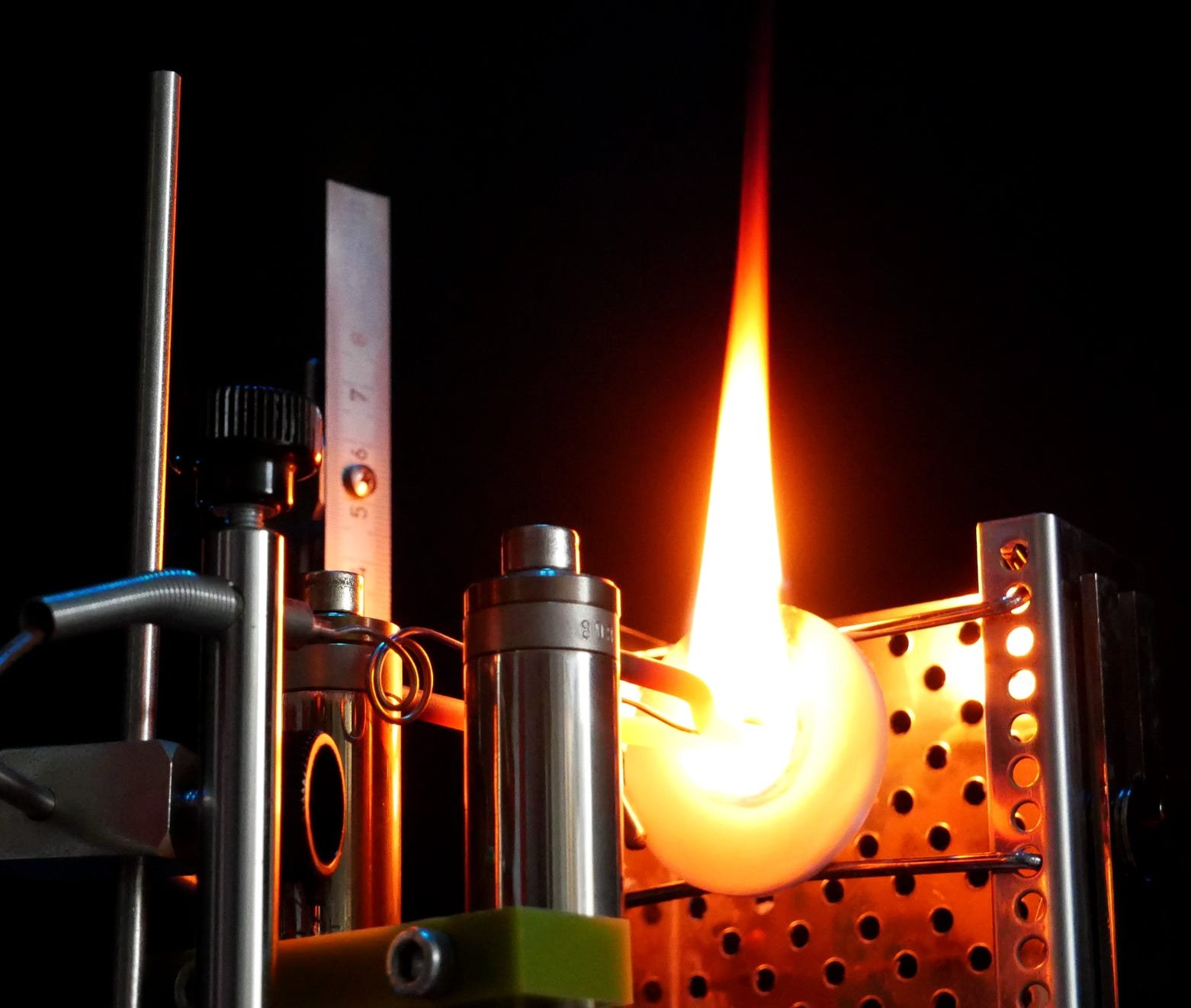
A glow wire test is a fire hazard test used mainly for plastic materials and non-metallic components in electrical products. In this method, a heated wire is brought into contact with the test sample at a defined temperature for a specified duration. The purpose is to simulate the effect of an overheated electrical part or glowing element coming into contact with nearby material.

The test helps determine whether the sample:

  • ignites when exposed to the heated wire,
  • continues to burn after the wire is removed,
  • self-extinguishes within the allowed time, and
  • poses a risk of spreading flame or burning particles.

Through glow wire test services in Chennai – Kiyo R&D LAB, manufacturers can verify whether their materials are suitable for use in electrical and electronic products.

Why Glow Wire Testing is Important

A lot of plastic parts are used close to heat-generating electrical components. Assuming they are safe without testing is careless. Fire safety must be proven, not guessed.

  • Reduces ignition risk: Helps identify materials that may catch fire under overheating conditions.
  • Improves product safety: Supports safer design for appliances, switches, connectors, and control systems.
  • Supports compliance: Many customer and product standards require glow wire performance data.
  • Improves material selection: Helps choose better polymers and flame-resistant compounds.
  • Prevents costly failures: Detects unsafe materials before products reach the market.

This is why glow wire test services in Chennai – Kiyo R&D LAB matter for manufacturers working with electrical plastics.

How the Glow Wire Test Works

The glow wire test follows a controlled procedure. The exact test condition depends on the product requirement and applicable standard, but the basic method is consistent.

  1. Sample preparation: The plastic or insulating component is prepared according to the required standard.
  2. Wire heating: The glow wire is heated to a specified temperature.
  3. Wire contact: The heated wire is pressed against the sample for a defined time.
  4. Observation: The sample is checked for ignition, flame duration, and burning behavior.
  5. Evaluation: Results are judged based on standard acceptance criteria.

The point is not just whether the material burns. The real question is whether it ignites easily, whether it stops burning quickly, and whether it creates a larger fire hazard.

Standards Commonly Used for Glow Wire Testing

Proper fire safety testing must follow recognized standards. Random heating is not a valid test method.

Commonly referenced standards include:

  • IEC 60695-2-10 – Glow wire apparatus and general test method
  • IEC 60695-2-11 – Glow wire flammability test method
  • IEC 60695-2-12 – Glow wire ignition temperature method

The exact standard and test temperature depend on the component type, end-use application, and customer requirement.

Products That Commonly Need Glow Wire Testing

Glow wire testing is relevant anywhere plastic parts are used near live electrical or heat-generating components.

  • Electrical connectors and terminal blocks
  • Switches and sockets
  • Consumer appliance housings and internal plastic parts
  • Circuit-related plastic supports and enclosures
  • Automotive electrical plastic components
  • Industrial control panel parts and insulating materials

If the component may face overheating or abnormal electrical conditions, glow wire testing is not optional. It is basic risk control.

Why Manufacturers Choose Kiyo R&D LAB

A useful lab does more than run a test. It should help provide reliable, decision-ready data. That is what matters for quality teams, compliance teams, and product designers.

  • Standard-based testing: Relevant methods aligned with recognized electrical safety standards.
  • Clear reporting: Results presented in a practical way for compliance and product evaluation.
  • Material-focused support: Suitable for electrical plastics and non-metallic components.
  • Reliable evaluation: Useful for product development, validation, and safety review.

For dependable glow wire test services in Chennai – Kiyo R&D LAB, the value is in controlled testing and clear interpretation.
Applications of Glow Wire Testing

  • Electrical product safety validation
  • Material qualification for flame-resistant applications
  • Supplier approval and component verification
  • Design validation for appliances and electrical housings
  • Comparison of polymer grades for fire performance
  • Compliance support for regulated products
Glow Wire Test Services in Chennai – Kiyo R&D LAB

Conclusion

Electrical safety is not something to leave to assumptions. If a plastic part is placed near a heat source or electrical fault zone, its fire behavior must be verified. A material that ignites too easily or burns too long creates an unacceptable safety risk.

That is why glow wire test services in Chennai – Kiyo R&D LAB are important for manufacturers who need real evidence of fire safety performance. With standard-based testing, proper equipment, and clear reporting, Kiyo R&D LAB supports safer product development and better material decisions.

FAQ

What is a glow wire test?

A glow wire test is a fire safety test used to check how plastic materials or electrical components behave when exposed to a heated wire under controlled conditions.

Why is glow wire testing important?

Glow wire testing helps evaluate ignition risk, improve product safety, and ensure that materials used in electrical products can withstand overheating conditions.

Which products need glow wire testing?

Electrical housings, switches, connectors, appliance parts, automotive electrical components, and plastic insulation materials commonly require glow wire testing.

Which standards are commonly used for glow wire testing?

Commonly used standards include IEC 60695-2-10, IEC 60695-2-11, IEC 60695-2-12, and other related electrical fire safety standards depending on the requirement.

What is checked in a glow wire test?

A small river named Duden flows by their place and supplies it with the necessary regelialia. It is a paradisematic country, in which roasted parts of sentences fly into your mouth. Even the all-powerful Pointing has no control about the blind texts

Why choose Kiyo R&D LAB for glow wire test services in Chennai?

Kiyo R&D LAB offers standard-based testing, experienced technical support, advanced equipment, and clear reports for evaluating fire safety performance.
Call Now Button