Fire safety is not something manufacturers can afford to treat casually. If a plastic material is used in an electrical, electronic, automotive, or appliance product, its behavior under flame exposure matters. A material that ignites easily, burns too long, or produces burning drips can create a serious hazard.
That is exactly why industries search for flammability test UL94 in Chennai – Kiyo R&D LAB. The purpose of UL94 testing is simple: to evaluate how plastic materials behave when exposed to a controlled flame and to classify their burning performance. This is not just about passing a lab test. It is about reducing product fire risk.
At Kiyo R&D LAB, UL94 testing supports manufacturers, product designers, and quality teams who need clear, standard-based fire performance evaluation for plastic and polymer materials.
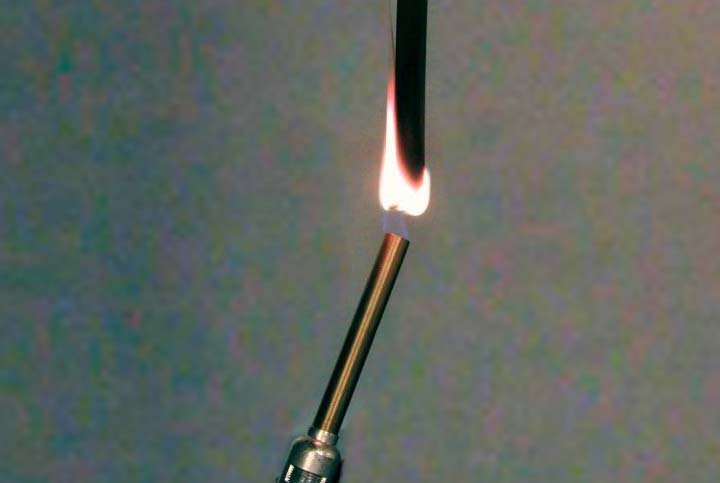
UL94 is a widely used flammability standard for plastic materials. It evaluates how a material reacts when a test flame is applied under controlled conditions. The test helps determine whether the material ignites, how long it continues burning, whether it self-extinguishes, and whether burning droplets are produced.
Through flammability test UL94 in Chennai – Kiyo R&D LAB, manufacturers can understand if a plastic material is suitable for use in applications where fire performance matters.
Many plastic parts are used close to electrical circuits, heat-generating components, and enclosed systems. Assuming they are safe without testing is poor engineering. Fire performance must be verified with actual test data.
This is why flammability test UL94 in Chennai – Kiyo R&D LAB matters for manufacturers working with electrical plastics and safety-critical applications.
HB is the horizontal burn classification. It is a lower level flammability rating compared with vertical classifications and is used when the material burns more slowly in a horizontal position.
V-0 is one of the most preferred classifications for many applications. The material must stop burning quickly after flame removal and should not produce burning drips that ignite cotton below.
V-1 materials also self-extinguish, but the allowed afterflame time is slightly higher compared to V-0. Burning drips that ignite cotton are not allowed.
V-2 is similar to V-1 in terms of flame extinguishing, but burning drips are allowed if specified by the standard criteria.
The classification achieved during flammability test UL94 in Chennai – Kiyo R&D LAB depends on the actual burning behavior of the tested material.
The test method depends on the required classification, but the basic process is controlled and repeatable.
The goal is not just to see whether the material burns. The real issue is how it burns, how long it burns, and whether it increases fire spread risk.
UL94 flammability testing is relevant for products where plastic parts are exposed to electrical or thermal risk.
If the component is near a possible ignition source, UL94 testing becomes a practical requirement, not a decorative specification.
A useful test report must do more than show a result. It should help manufacturers make correct decisions about safety and material selection.
For dependable flammability test UL94 in Chennai – Kiyo R&D LAB, the real value is in controlled testing, proper interpretation, and decision-ready results.
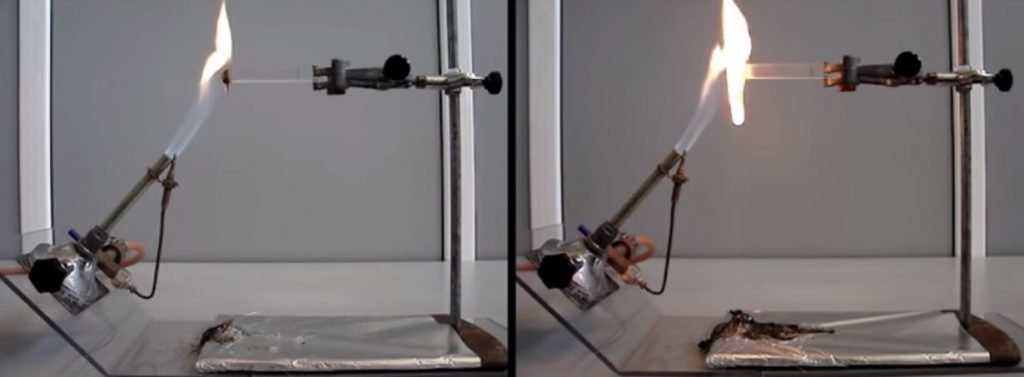
A plastic material that performs well mechanically is not automatically safe in fire exposure conditions. If it ignites easily, burns too long, or spreads flame through dripping, it creates a major product risk.
That is why flammability test UL94 in Chennai – Kiyo R&D LAB is important for manufacturers who want actual proof of fire performance before product release. With standard-based testing, suitable equipment, and clear reporting, Kiyo R&D LAB supports safer product development and better material decisions.