Salt Mist Test Services in Oragadam

Corrosion Resistance Salt Mist Test Lab in Oragadam – Kiyo R&D LAB

Introduction

Metal parts fail for many reasons, but corrosion is one of the most common and most expensive. A component may have good strength, good design, and proper dimensions, yet still fail early if its surface protection is weak. That is why corrosion testing matters. Surface finish claims are cheap. Real corrosion performance needs proof.

If you are searching for salt mist test services in Oragadam – Kiyo R&D LAB, the main goal is straightforward: you want to know how a metal part, coating, plating, or protective finish behaves when exposed to a controlled salt-laden environment. If corrosion starts too early, the product is not durable enough for real service conditions.

At Kiyo R&D LAB, salt spray corrosion testing supports manufacturers, automotive suppliers, coating applicators, fabrication units, and quality teams who need practical data on corrosion resistance.
Salt Mist Test Services in Oragadam – Kiyo R&D LAB

What is a Salt Mist Test?

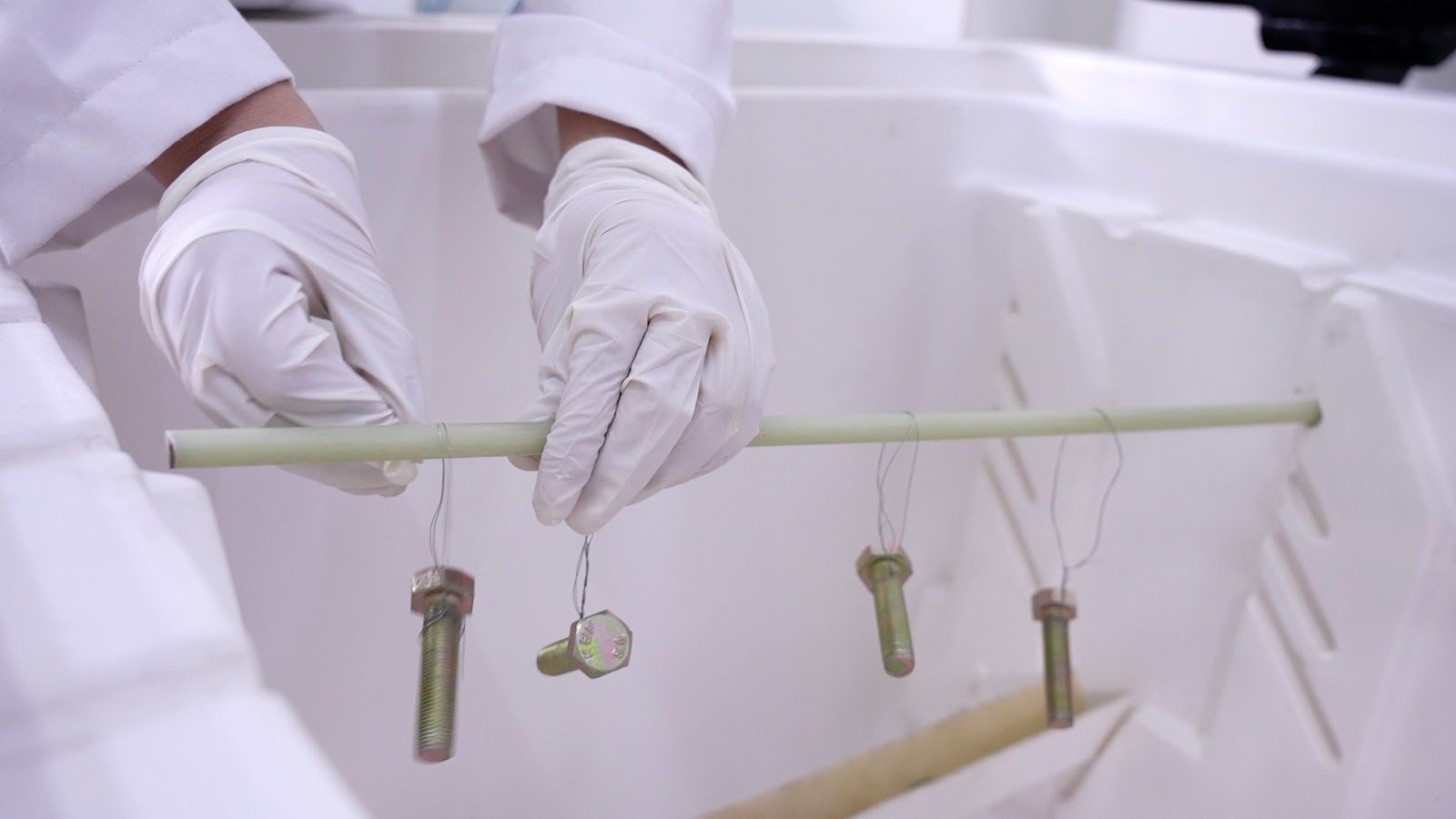
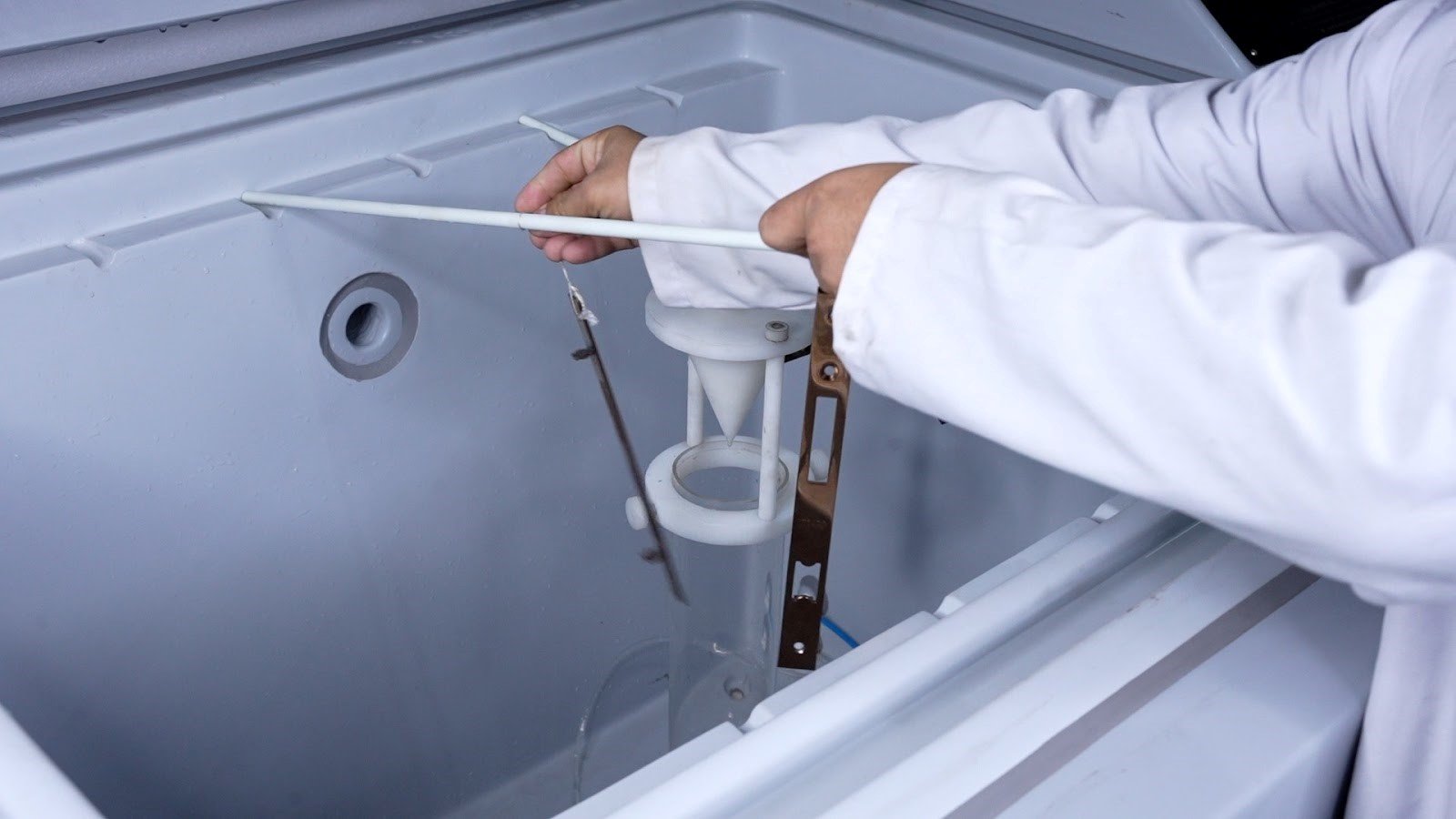
A salt mist test, also called a salt spray test, is a laboratory corrosion test used to evaluate the resistance of metal surfaces, coatings, and plated parts in a salt-rich environment. The test is carried out inside a controlled chamber where a fine salt solution mist is continuously generated and deposited on the test specimens.

This does not perfectly copy every real-world environment, but it is a widely used accelerated method for comparing corrosion resistance and identifying weak surface protection systems.

Through salt mist test services in Oragadam – Kiyo R&D LAB, manufacturers can assess how quickly corrosion develops and whether the coating or treatment provides acceptable protection.

Why Salt Mist Testing is Important

Corrosion is not just a cosmetic problem. In many applications it leads to product rejection, rust complaints, coating failure, reduced life, and expensive rework. If a coated or plated part cannot resist a basic corrosion test, it is a warning sign.

  • Evaluates corrosion resistance: Helps determine how well the surface protection system performs.
  • Verifies coating quality: Useful for paint, powder coating, plating, galvanizing, and conversion coatings.
  • Supports quality control: Helps compare batches, suppliers, and finishing processes.
  • Reduces field failures: Finds weak finishes before parts go into service.
  • Supports customer requirements: Many specifications call for salt spray exposure performance.

This is why industries use salt mist test services in Oragadam – Kiyo R&D LAB instead of depending only on visual appearance.

How the Salt Mist Test is Performed

The test method is controlled. If the chamber conditions are wrong, the result becomes useless. Proper salt spray testing depends on the correct environment, test duration, specimen placement, and evaluation criteria.

  1. Sample preparation: Metal or coated specimens are selected and documented before exposure.
  2. Chamber placement: Samples are placed in the salt spray chamber at the required orientation.
  3. Salt mist generation: A salt solution mist is continuously generated under controlled conditions.
  4. Exposure period: The specimens remain exposed for the specified number of hours.
  5. Inspection and evaluation: Samples are checked for rust, blistering, coating breakdown, or surface attack.

The purpose is not just to say whether rust happened. The real value is understanding how fast it happened and what that says about the quality of the protective system.

Common Standards Used for Salt Mist Testing

Salt spray testing is usually performed with reference to recognized corrosion testing standards. Commonly used standards include:

  • ASTM B117 – Standard practice for operating salt spray (fog) apparatus
  • ISO 9227 – Corrosion tests in artificial atmospheres – salt spray tests

The exact exposure time and acceptance criteria depend on the coating system, customer specification, and product application.

Which Products Commonly Need Salt Mist Testing?

Salt mist testing is useful anywhere coated or metallic parts are exposed to moisture, humidity, transport stress, or corrosive environments.

  • Painted and powder-coated components
  • Electroplated parts
  • Galvanized metal parts
  • Fasteners and hardware
  • Automotive and engineering components
  • Industrial fabricated assemblies
  • Outdoor-use metal parts

If corrosion resistance matters to performance or customer acceptance, salt spray testing becomes a practical requirement.

What Can Cause Poor Salt Mist Performance?

When a sample fails too early in a salt spray test, the problem is usually tied to the protection system, not bad luck.

  • Poor surface preparation before coating or plating
  • Insufficient coating thickness
  • Defective pretreatment
  • Pinholes, porosity, or coating discontinuity
  • Improper curing or process control
  • Low-quality plating or weak conversion coating
  • Incompatible coating system for the application

In short, a bad salt mist result usually points to a real process weakness.

Why Choose Kiyo R&D LAB in Oragadam?

A useful corrosion test lab should help you make technical decisions, not just hand over a vague report. The value is in controlled testing, practical observation, and clear reporting.

  • Standard-based testing: Salt spray testing aligned with recognized corrosion test methods.
  • Clear reporting: Useful results for QC, supplier approval, and product durability checks.
  • Industrial relevance: Suitable for coated parts, plated parts, and metal components used in real service environments.
  • Technical support: Helpful for investigating poor corrosion performance and comparing finish quality.

For dependable salt mist test services in Oragadam – Kiyo R&D LAB, what matters is proper chamber control, correct evaluation, and results you can actually use.
Applications of Salt Mist Testing

  • Coating and plating quality control
  • Supplier and vendor finish comparison
  • Product durability validation
  • Automotive and industrial part qualification
  • Failure analysis of rust complaints
  • Surface treatment process improvement
Salt Mist Test Services in Oragadam – Kiyo R&D LAB

Conclusion

A metal part with poor corrosion resistance is a future complaint waiting to happen. Surface finish quality should not be assumed. It should be tested under controlled conditions.

That is why salt mist test services in Oragadam – Kiyo R&D LAB are important for manufacturers who need evidence of corrosion resistance before product release. With standard-based testing, reliable evaluation, and clear reporting, Kiyo R&D LAB supports better decisions for coated and metal components.

FAQ

What is a salt mist test?

A salt mist test, also called a salt spray test, is a corrosion test used to evaluate how metal surfaces, coatings, or plated parts perform in a salt-laden environment.

Why is salt mist testing important?

It helps assess corrosion resistance, verify coating quality, compare protective finishes, and reduce the risk of premature field failure.

Which materials or products can be tested in a salt mist chamber?

Painted metal parts, powder-coated components, plated parts, galvanized surfaces, fasteners, automotive parts, and industrial metal components can be tested.

Which standards are commonly used for salt mist testing?

Commonly used standards include ASTM B117, ISO 9227, and other corrosion testing methods depending on the product requirement.

What does a salt mist test result show?

The result shows how the sample resists corrosion over a defined exposure period, including signs such as rusting, blistering, coating failure, or surface degradation.

Why choose Kiyo R&D LAB for salt mist test services in Oragadam?

Kiyo R&D LAB offers standard-based corrosion testing, experienced technical support, reliable evaluation, and clear reports for coated and metal components.
Call Now Button