Industrial materials are expected to perform under demanding conditions involving heat, pressure, processing stress and environmental exposure. A material may look acceptable visually but still fail because of poor thermal stability, excess volatile content, incorrect filler loading, moisture presence or formulation inconsistency. These issues are difficult to identify without advanced thermal analysis.
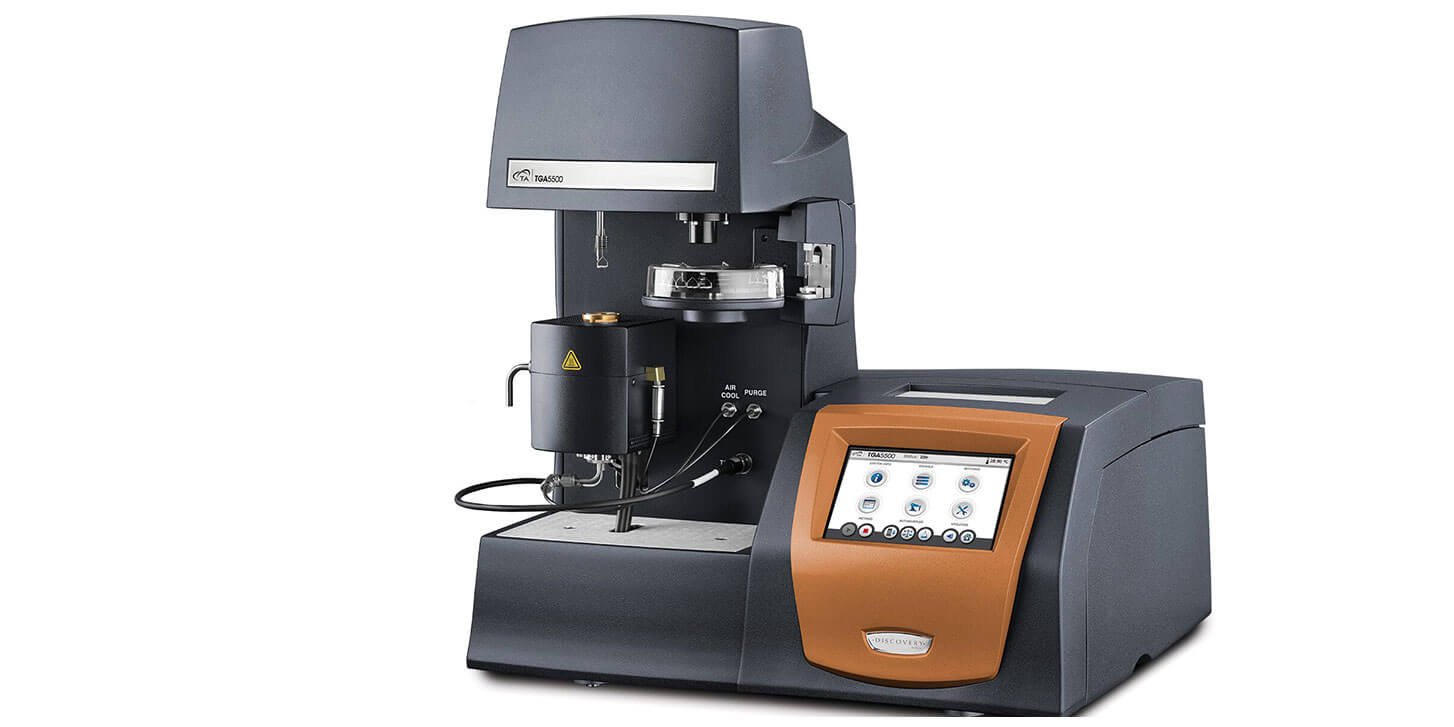
This is why Analysis TGA lab services in Chennai – Kiyo R&D Lab are important for manufacturers, research teams and quality departments. Thermogravimetric Analysis, commonly called TGA, is a thermal testing technique used to study the change in material weight under controlled heating conditions.
TGA analysis helps industries understand material degradation, thermal stability, moisture loss, oxidation behaviour, filler content and residual ash formation. It is widely used for plastics, rubber compounds, composites, coatings, packaging materials, polymer compounds and industrial powders.
Manufacturers require accurate thermal characterization because materials behave differently when exposed to processing temperatures or operational heat conditions. A polymer may degrade during molding, a coating may release excess volatile compounds or a rubber compound may lose stability at elevated temperatures.
Analysis TGA lab services in Chennai help industries evaluate thermal degradation temperature, material weight loss behaviour, ash content percentage, filler loading consistency, moisture content, volatile matter release, oxidation stability, residual mass after decomposition and carbon black content in rubber materials.
At Kiyo R&D Lab, TGA analysis supports raw material qualification, formulation comparison, reverse engineering, failure analysis and customer complaint investigations. For industries requiring dependable thermal performance data, TGA testing provides measurable technical evidence rather than assumptions.
Thermal stability directly affects the durability and processing performance of plastics, elastomers and composite materials. Materials with poor thermal resistance may crack, discolor, deform or fail during service conditions.
Through Analysis TGA lab services in Chennai – Kiyo R&D Lab, industries can study how stable a material remains when exposed to controlled heating conditions. TGA testing is highly useful for engineering plastics, rubber compounds, automotive polymers, composite materials, cable insulation materials, packaging films, coating systems and industrial polymer blends.
Manufacturers often compare multiple material grades using TGA analysis to identify the most stable formulation for high-temperature applications. For R&D teams, thermal stability analysis becomes valuable during new product development and supplier material comparison studies.
Every material has a unique decomposition pattern under heat exposure. Studying this behaviour helps industries identify polymer composition, filler percentage, additives, impurities and degradation characteristics.
TGA testing measures the exact percentage of material weight loss across different temperature ranges. This helps industries evaluate single-stage decomposition, multi-stage decomposition, organic and inorganic composition, thermal breakdown behaviour, additive stability and residual inorganic content.
For example, polymer materials may decompose completely at high temperatures while inorganic fillers remain as residue. By analyzing the TGA curve, technical teams can estimate formulation consistency and compare materials accurately. This makes Analysis TGA lab services in Chennai useful for product quality verification and industrial material investigation.
Thermal analysis plays a major role in industries where material stability directly affects product performance and safety. Automotive, electrical, electronics and packaging manufacturers use TGA analysis to validate materials before they move into production or customer application.
In the automotive industry, TGA testing is used for thermal stability analysis of polymer parts, rubber compound characterization, under-hood material validation, composite material evaluation and thermal degradation studies.
In electrical and electronics industries, TGA analysis supports cable insulation testing, flame-retardant material evaluation, heat resistance characterization and polymer stability investigation.
Packaging manufacturers rely on TGA testing for packaging film thermal behaviour, barrier material analysis, flexible packaging characterization and multilayer packaging material studies. These applications make Analysis TGA lab services in Chennai – Kiyo R&D Lab valuable for industries that require dependable thermal performance evaluation.
Industrial materials often contain fillers such as calcium carbonate, talc, silica, carbon black or glass fibers. The percentage of these fillers influences mechanical properties, thermal performance, flexibility, density and processing behaviour.
TGA analysis helps determine filler loading by measuring the residual mass remaining after polymer decomposition. This helps manufacturers verify raw material consistency, compare supplier batches and improve formulation quality.
Industries commonly use TGA testing for carbon black content determination, ash content analysis, mineral filler percentage evaluation, polymer-to-filler ratio analysis and material formulation comparison.
Moisture and volatile compounds can create major processing and performance issues in industrial materials. Excess moisture may lead to molding defects, bubbles, poor surface finish or dimensional instability. High volatile content may affect coating quality, odor characteristics and thermal consistency.
Through Analysis TGA lab services in Chennai, industries can determine moisture evaporation behaviour, volatile matter release, thermal residue characteristics, ash formation behaviour and stability under controlled heating.
This information is highly useful for plastics, coatings, rubber compounds, powders and packaging materials. Manufacturers facing processing instability or inconsistent material performance often use TGA analysis to identify hidden formulation problems.
Thermal analysis should not be limited to simple temperature measurements. Industries need meaningful interpretation of material behaviour to improve product reliability and manufacturing consistency.
At Kiyo R&D Lab, TGA testing supports advanced thermal characterization by helping industries understand material degradation profile, oxidation resistance, residual stability, composition consistency, processing suitability and high-temperature performance.
These insights help manufacturers improve raw material selection, optimize formulations, reduce product rejection and strengthen customer confidence with reliable testing data.
Choosing the right laboratory is important because accurate TGA analysis requires proper sample handling, reliable thermal testing and meaningful technical interpretation. Kiyo R&D Lab supports industries with practical material investigation and quality-focused testing services.
Kiyo R&D Lab provides Analysis TGA lab services in Chennai for plastics, rubber, composites, coatings, packaging materials, powders and industrial compounds. The service is suitable for product development, quality control, material comparison, supplier validation and failure investigation.
Industries choose Kiyo R&D Lab for advanced thermal analysis support, experienced technical evaluation, industry-focused reporting and dependable testing workflow.
Sample preparation is important for accurate thermal analysis. Depending on the material type and testing objective, sample quantity and preparation method may vary. Polymer granules, rubber compounds, powder materials, composite specimens, packaging films, coating samples and industrial compounds can be submitted for TGA analysis.
The technical team reviews the sample condition and recommends suitable preparation before analysis to ensure accurate and meaningful results.
TGA testing can be used for plastics, rubber compounds, composites, coatings, powders, fillers, packaging films, cable insulation materials, polymer blends and industrial raw materials. The suitability depends on the sample condition and the purpose of testing.
TGA analysis helps in failure investigation by showing whether a failed material has abnormal thermal behaviour, high volatile content, different filler percentage, poor thermal stability or unexpected residue. It allows industries to compare failed samples with approved samples and identify possible material-related causes.
TGA measures weight change of a material during heating, while DSC measures heat flow related to thermal transitions such as melting, crystallization and glass transition. TGA is mainly used for degradation, moisture, ash, filler content and residue analysis, while DSC is used for studying thermal transitions and phase changes.
Yes. Kiyo R&D Lab provides Analysis TGA lab services in Chennai for industrial thermal characterization, material investigation, quality evaluation, thermal stability testing, decomposition behaviour study, filler content analysis and ash content evaluation.