
Material strength alone is not enough to guarantee product reliability. Many materials can withstand high static loads but fail unexpectedly when subjected to sudden impact, shock loading or rapid force application. Understanding how a material behaves under impact conditions is essential for ensuring product safety, durability and long-term performance.
This is why Charpy Impact Testing Services in Chennai – Kiyo R&D Lab are important for manufacturers seeking reliable material performance data. Charpy impact testing helps evaluate a material’s ability to absorb energy during fracture and provides valuable information about toughness and resistance to sudden impact.
Industries use Charpy impact testing to verify material quality, compare material grades, validate product performance and support engineering decisions. The results help manufacturers understand whether a material can perform safely under real-world service conditions.
Manufacturers frequently require testing support when developing new products, approving suppliers or validating materials for critical applications. Impact performance becomes especially important when components may face accidental drops, sudden loads, collision forces or low-temperature conditions.
Charpy Impact Testing Services in Chennai support material qualification, product validation, supplier approval, quality assurance, failure investigation, research and development, material comparison studies and customer compliance requirements.
At Kiyo R&D Lab, Charpy impact testing helps industries determine how much energy a material can absorb before fracturing. This information is critical when selecting materials for applications exposed to sudden impact or demanding service conditions.
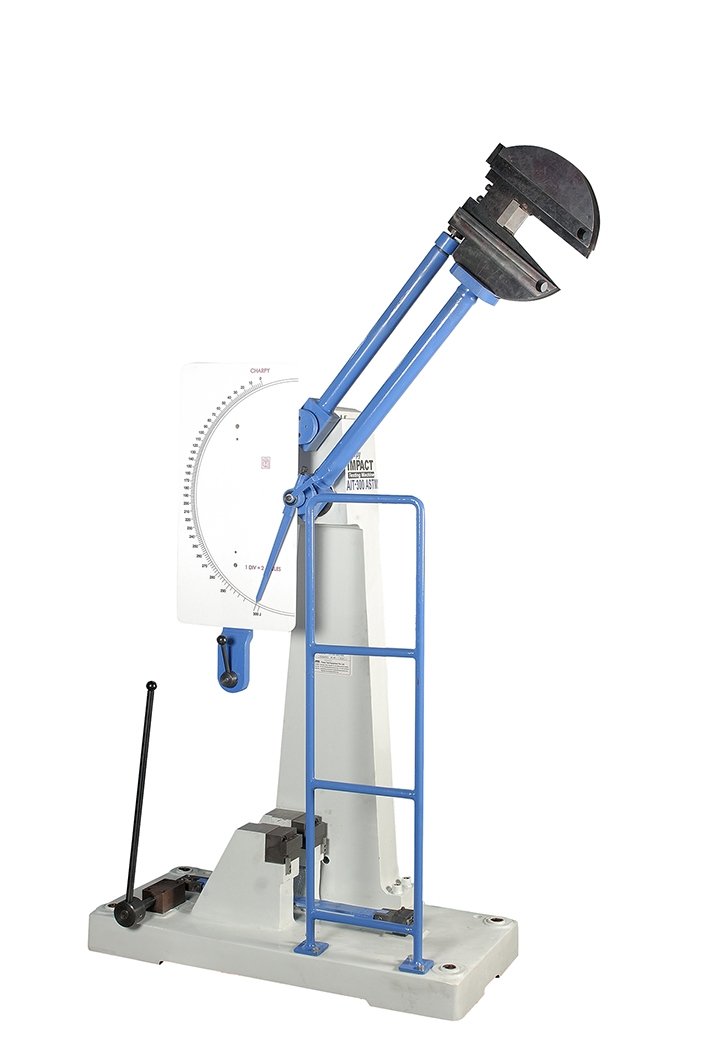
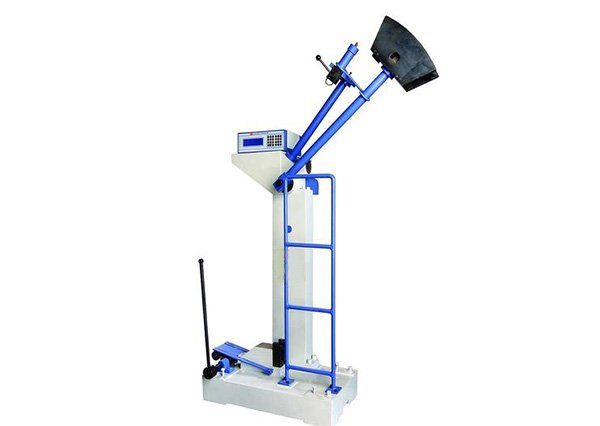
Charpy impact testing is a standardized mechanical test used to determine the energy absorbed by a material during fracture. The test is commonly performed on a notched specimen using a pendulum impact testing machine.
During the test, a pendulum strikes the specimen at a controlled speed. The energy absorbed by the specimen before fracture is measured and reported as impact energy. This value helps engineers understand the toughness of the material.
Charpy impact testing helps evaluate material toughness, fracture resistance, impact strength, brittle behaviour, ductile behaviour and temperature-dependent performance. Materials with higher impact energy values generally show better toughness and better resistance to sudden failure.
Many engineering components experience sudden impact or shock loading during handling, transportation, installation or actual service. If the material does not have enough impact resistance, it may crack, fracture or fail without warning.
Impact resistance is important for automotive components, structural steel members, machine components, construction materials, pressure vessels, fabricated products and industrial equipment.
Through Charpy Impact Testing Services in Chennai – Kiyo R&D Lab, manufacturers can evaluate whether a material is suitable for these applications and whether it can withstand sudden loading conditions.
Charpy testing is widely used for evaluating metallic materials because impact toughness is a critical property for structural and load-bearing applications. Metals may show different fracture behaviour depending on composition, heat treatment, manufacturing process and testing temperature.
Materials commonly evaluated using Charpy impact testing include carbon steel, stainless steel, alloy steel, aluminium alloys, copper alloys and cast materials.
Manufacturers use Charpy Impact Testing Services in Chennai to compare material grades, verify compliance with specifications and support quality assurance programs. The test is also useful for understanding whether a material maintains toughness under specific operating conditions.
Product development teams need reliable mechanical property data before approving new materials or designs. Charpy impact testing provides important information about how a material behaves under sudden loading conditions.
The test supports new product development, material selection, design validation, production quality control, supplier evaluation and product certification.
By understanding impact performance early in the development stage, manufacturers can reduce failure risks and improve product reliability. Testing also helps establish quality benchmarks and maintain consistency across production batches.
Unexpected fractures can lead to production downtime, safety concerns, warranty issues and customer dissatisfaction. Charpy impact testing helps identify materials that may be susceptible to brittle failure under impact conditions.
The test provides valuable information about fracture behaviour, toughness characteristics, material limitations, temperature sensitivity and performance under sudden loading.
Manufacturers use this information to select appropriate materials, improve product design and implement preventive measures before failures occur in actual service conditions.
Many industries rely on Charpy impact testing to ensure product safety and reliability. In the automotive industry, the test is useful for structural components, suspension parts, fasteners and safety-related components.
In construction industries, Charpy testing supports evaluation of structural steel, reinforcement materials and building components. In manufacturing industries, it is useful for machine parts, industrial equipment and fabricated structures.
For these applications, impact resistance plays a major role in long-term product performance and safety.
Choosing the right testing laboratory is essential because test accuracy directly affects engineering decisions, customer approval and product validation. A reliable laboratory should provide proper sample handling, accurate testing and clear reporting.
Kiyo R&D Lab provides Charpy Impact Testing Services in Chennai for material qualification, product validation, quality assurance, supplier approval, failure prevention and engineering performance evaluation.
Industries choose Kiyo R&D Lab for advanced mechanical testing capabilities, experienced technical evaluation, reliable testing procedures, industry-focused reporting and practical support for quality assurance.
Sample requirements depend on the applicable standard, material type and customer specification. Common samples include metal specimens, structural steel samples, machined test specimens, production material samples and research and development samples.
The technical team reviews sample dimensions, notch requirements and testing objectives before recommending suitable testing procedures.