Your complete guide to XRD testing at Kiyo R&D Lab
Need to know exactly what crystalline phases, minerals, or compounds are hiding inside your material? A reliable XRD testing lab in Chennai gives you that answer without guesswork. X-ray diffraction (XRD) reveals a material’s crystal structure, phase composition, and crystallinity — information that mechanical or chemical tests alone simply can’t provide.
At Kiyo R&D Lab, our XRD testing lab in Chennai supports manufacturers, R&D teams, and quality departments across metals, polymers, pigments, minerals, and ceramics. Whether you’re verifying a raw material, investigating a failure, or confirming phase purity, our calibrated XRD systems and experienced analysts deliver clear, audit-ready reports — with results typically in 48 hours.
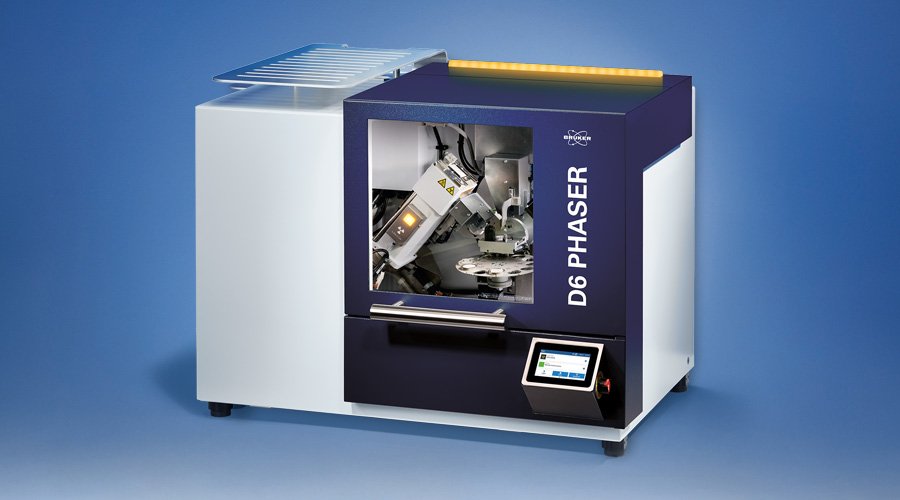
Two materials can look identical, weigh the same, and even pass a basic chemical test — yet behave completely differently in service because their internal crystal structure is different. A qualified XRD testing lab in Chennai is the only way to see that difference. X-ray diffraction identifies the exact crystalline phases present in a sample, confirms mineral or metallic composition, and detects unwanted phases like corrosion products, contaminants, or incorrect polymorphs.
For manufacturers across Chennai’s industrial corridor, working with a dependable XRD testing lab in Chennai means fewer field failures, faster root-cause investigations, and confidence that incoming raw materials match specification before they ever reach the production line.
As a full-scope XRD testing lab in Chennai, Kiyo R&D Lab covers phase identification, crystallinity, residual stress, and contamination analysis for metals, polymers, minerals, pigments, and ceramics.
Confirms crystalline phases present using diffraction pattern matching against reference databases.
Measures locked-in stress in metal components that can lead to premature fatigue or cracking.
Determines the crystalline-to-amorphous ratio and detects unwanted secondary phases or polymorphs.
Identifies crystalline pigments and extenders in paints, coatings, and surface layers.
Confirms mineral content, clay type, and crystal structure in powders and raw materials.
Identifies unknown crystalline particles, scale, or corrosion products causing product defects.
Every result from our XRD testing lab in Chennai is generated following recognised international test methods, so your reports are accepted by auditors, customers, and regulatory bodies.
ASTM E915 ASTM E1426 ASTM E2860 ASTM D5380 ASTM D3906
| Standard | What It Covers | Typical Use |
|---|---|---|
| ASTM E915 | Verifies XRD instrument alignment for residual stress work | Pre-test calibration check |
| ASTM E1426 | Determines X-ray elastic constants for stress calculation | Residual stress analysis setup |
| ASTM E2860 | Residual stress measurement by XRD for bearing steels | Metal component stress evaluation |
| ASTM D5380 | Identifies crystalline pigments & extenders in paint by XRD | Coating & paint analysis |
| ASTM D3906 | Relative XRD intensities of zeolite-containing materials | Mineral & catalyst powder analysis |
Need a method not listed here? Send us your specification — our team will confirm scope and turnaround before you commit.
Our XRD testing lab in Chennai is easy to access for manufacturers across the Chennai–Oragadam industrial corridor, with convenient sample drop-off and courier-friendly collection.
Our Chrompet facility handles XRD phase identification and material analysis for metals, polymers, and minerals — with fast turnaround for local manufacturers.
📞 Call 90876 86986 💬 Request a QuotePositioned near the Oragadam industrial corridor, this branch of our XRD testing lab in Chennai offers quick, on-site-ready support for automotive and OEM manufacturers.
📞 Call 90876 86986 💬 Request a QuoteExplore all our capabilities at www.kiyorndlab.com.
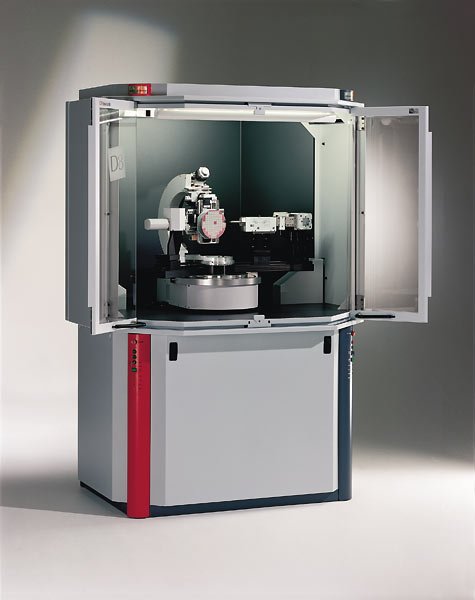
When identity, phase purity, or residual stress decides your product’s safety and compliance, you can’t afford to guess. As a dependable XRD testing lab in Chennai, Kiyo R&D Lab combines calibrated instruments, recognised ASTM methods, and expert interpretation to give you results you can stand behind.
With branches in Chrompet and Oragadam, fast turnaround, and clear, audit-ready reporting, Kiyo R&D Lab is the XRD testing lab in Chennai that manufacturers across Tamil Nadu trust. Reach out today and turn your sample into a confident answer.