
How well does your material block electric current — and can you prove it? For insulators, enclosures, cables, and electronic components, resistivity is the property that separates a safe, compliant part from a failure risk. astm d257 electrical resistivity testing is the standard method for measuring exactly that. Kiyo R&D Lab measures the volume and surface resistivity of your insulating materials so you can verify performance and meet specifications with confidence.
From plastics and rubber to films, laminates, and coatings, our astm d257 electrical resistivity testing delivers accurate resistivity data, supporting analysis, and clear, audit-ready reports you can rely on.
Your complete guide to ASTM D257 resistivity testing at Kiyo R&D Lab
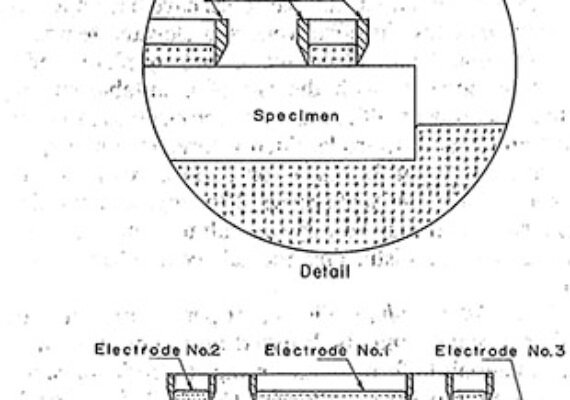
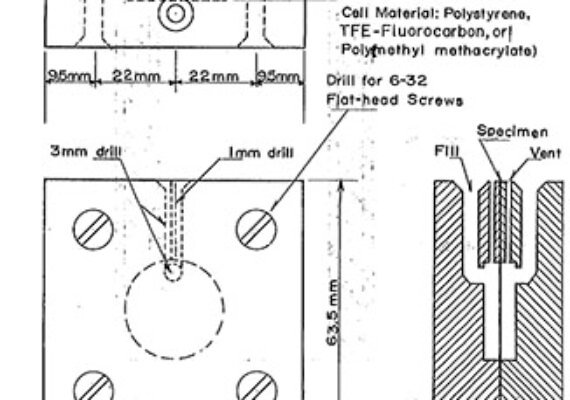
ASTM D257 is the standard test method for the DC resistance and conductance of insulating materials. A known voltage is applied across a specimen and the tiny current that flows is measured; from that, the material’s volume resistivity (resistance through the bulk) and surface resistivity (resistance along the surface) are calculated. In short, astm d257 electrical resistivity testing tells you how effectively a material resists electric current.
For manufacturers, it confirms an insulator meets its electrical spec. For designers, it guides material choice for enclosures and electronic parts. For QC and failure work, it detects contamination, moisture, or the wrong grade that would compromise insulation.
As a full-service provider of astm d257 electrical resistivity testing, we measure the full set of DC resistance properties on insulating materials.
Resistance through the bulk.
Resistance along the surface.
Overall resistance value.
Inverse of resistance.
After humidity or heat.
Batch vs reference.
| Property | Unit | What It Indicates |
|---|---|---|
| Volume resistivity | ohm-cm | Bulk insulating quality |
| Surface resistivity | ohm (per square) | Surface leakage / cleanliness |
| Insulation resistance | ohm | Overall part resistance |
| Conductance | siemens | Ease of current flow |
Beyond D257, our astm d257 electrical resistivity testing is complemented by the related electrical-property methods your specification may require, so results are accepted by auditors, buyers, and regulators alike.
ASTM IEC
| Standard | What It Covers | Property |
|---|---|---|
| ASTM D257 | DC resistance & resistivity | Resistivity |
| IEC 62631-3-1 | Volume & surface resistance | Resistivity |
| ASTM D149 | Dielectric breakdown strength | Breakdown |
| ASTM D150 | Permittivity & dissipation factor | Dielectric |
| ASTM D495 | Arc resistance | Arc |
Need a full electrical profile? We pair resistivity with dielectric strength and other insulation tests — ask for a complete package.
Based in Chennai with branches in Chrompet and Oragadam, Kiyo R&D Lab makes professional resistivity testing easy to access for the Chennai–Oragadam industrial corridor, with convenient drop-off and courier-friendly collection.
Looking for astm d257 electrical resistivity testing? Our facilities measure volume and surface resistivity of insulating materials with clear, accurate reporting.
Call 90420 86986 Request a QuoteExplore all our capabilities at www.kiyorndlab.com.
When safety, compliance, and insulation quality are on the line, trust a lab that delivers clear answers. For astm d257 electrical resistivity testing, we combine correct specimen conditioning, the recognised method, and expert interpretation to give you data you can stand behind.
From a single resistivity check to a full electrical-property package, the team at Kiyo R&D Lab is ready to help. Reach out today and turn your sample into a reliable, audit-ready report.