
Asbestos was once prized as a cheap, fire-resistant building material — until its serious health risks became clear. Today it is one of the most tightly regulated hazardous materials in the world, and knowing whether it is present in a material is the first step to managing it safely. That is where asbestos testing comes in: laboratory analysis that confirms whether a sample actually contains asbestos fibres.
This guide explains what asbestos is, the different types, why it is dangerous, where it is commonly found, and how a laboratory detects it — so you can make informed, safe decisions.
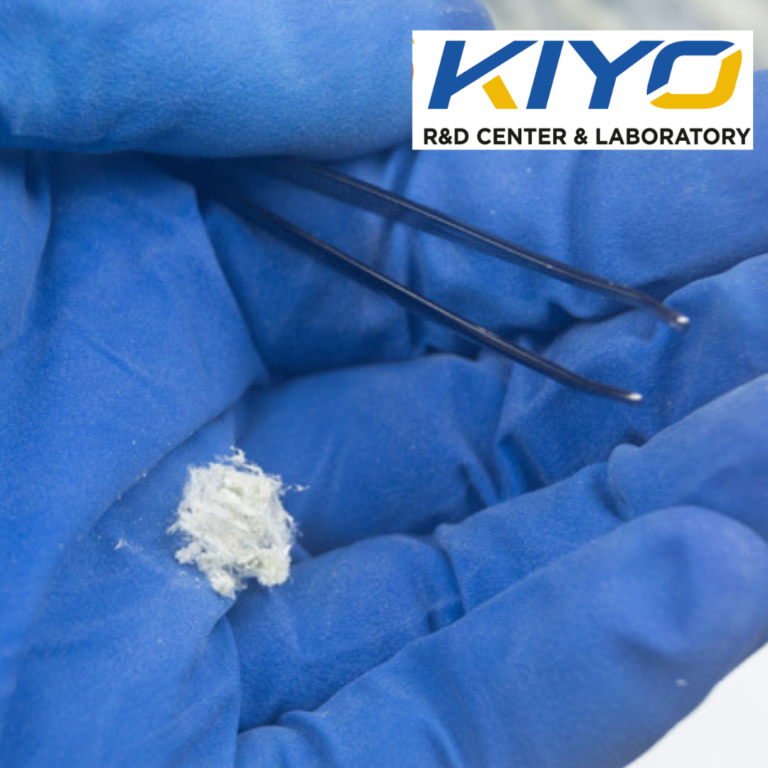
A clear guide to asbestos and testing from Kiyo R&D Lab
Asbestos is a group of naturally occurring silicate minerals made up of fine, fibrous crystals. Those fibres are strong, flexible, and highly resistant to heat, fire, and chemicals — which is why asbestos was widely used through much of the 20th century in insulation, roofing, cement sheets, brake linings, gaskets, and many other products.
The very property that made it useful — tiny, durable fibres — is also what makes it dangerous. When asbestos-containing material is disturbed, it can release microscopic fibres into the air, where they can be inhaled. Because you cannot see or smell them, laboratory asbestos testing is the only reliable way to know whether a material contains asbestos.
Health authorities including the World Health Organization classify all forms of asbestos as carcinogenic to humans. There is no known safe level of exposure, which is why identifying it through laboratory analysis matters so much.
| Type | Common Name | Often Found In |
|---|---|---|
| Chrysotile | White asbestos | Roofing, cement, brake pads |
| Amosite | Brown asbestos | Insulation boards, pipe lagging |
| Crocidolite | Blue asbestos | Spray coatings, older insulation |
| Others | Tremolite, actinolite, anthophyllite | Contaminants in other minerals |
Inhaled asbestos fibres can lodge in the lungs and, over many years, are associated with serious diseases including asbestosis (lung scarring), lung cancer, and mesothelioma. The risk comes from breathing in airborne fibres, which is why intact, undisturbed material is handled differently from damaged material — and why testing before any disturbance is so important.
Important: if you suspect a material contains asbestos, do not cut, sand, drill, or break it. Leave it undisturbed and arrange professional testing; any removal should be carried out only by licensed asbestos-abatement specialists following local regulations.
Because asbestos fibres are microscopic, laboratory testing is done using specialised microscopy. A small, carefully collected sample of the suspect material is analysed to confirm whether asbestos is present and, if so, which type.
| Step | What Happens |
|---|---|
| 1. Sampling | A small sample is safely collected |
| 2. Preparation | Prepared for microscopic analysis |
| 3. Analysis | Fibres identified by microscopy |
| 4. Reporting | Presence & type confirmed in a report |
Based in Chennai (Chrompet & Oragadam), Kiyo R&D Lab performs asbestos testing to confirm whether a material contains asbestos fibres and, where relevant, which type. If you are unsure about a material, professional testing gives you a clear, documented answer to act on safely.
Need asbestos testing? Talk to us before disturbing any suspect material, and we’ll advise on safe sampling and analysis.
Call 90420 86986 Request a QuoteExplore all our capabilities at www.kiyorndlab.com.
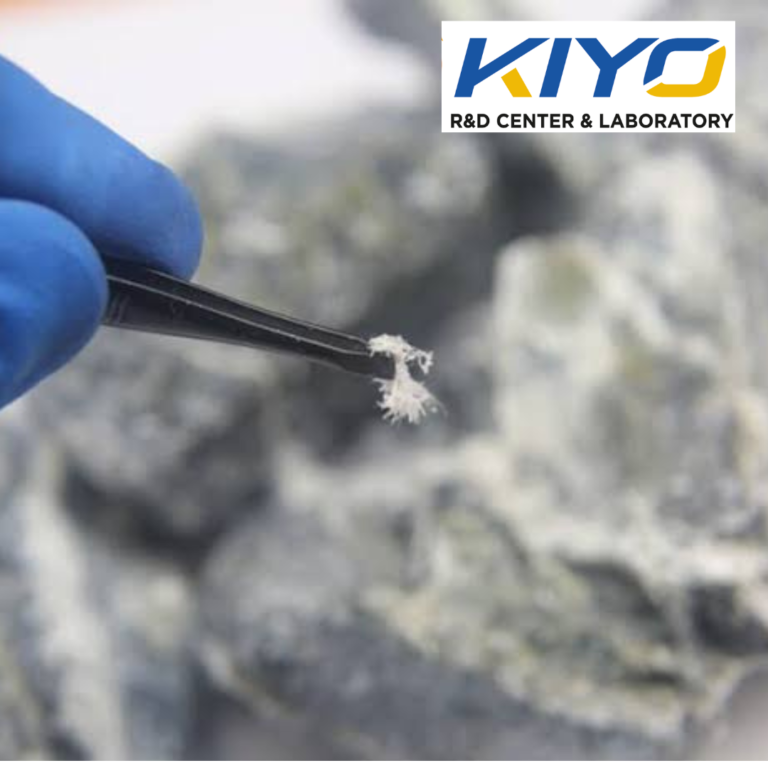
Asbestos is only a risk when it is disturbed and its fibres become airborne — and the only way to know if a material contains it is to have it analysed. Professional asbestos testing gives you a clear, documented answer so you can act safely and stay compliant.
If you have a material you’re unsure about, the team at Kiyo R&D Lab in Chennai can help. Reach out today — before disturbing anything — and we’ll guide you through safe testing.