
A cracked plastic part is rarely a mystery once you look closely — but it is almost never random either. Understanding why plastic parts crack is the difference between a quick fix that fails again and a real solution that holds. Cracks trace back to specific, identifiable causes: the wrong material, a processing fault, chemical attack, or stress the design never accounted for. This guide walks through the common reasons behind these failures and how a lab pins down the true cause.
At Kiyo R&D Lab, we investigate cracked and failed plastic components every week. Knowing why plastic parts crack lets manufacturers stop recurring failures at the source instead of patching symptoms.
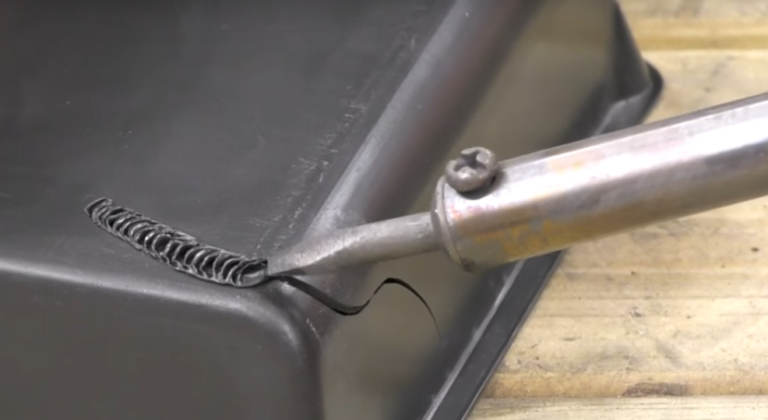
Your guide to plastic cracking & failure analysis at Kiyo R&D Lab
Ask why plastic parts crack and the answer almost always falls into one of a handful of mechanisms. The table below shows the usual suspects and the tell-tale sign each one leaves behind.
| Cause | Tell-Tale Sign |
|---|---|
| Environmental stress cracking (ESC) | Cracks near chemical/stress contact |
| Molecular weight / degradation | Brittle, low-energy fracture |
| Weak weld / knit lines | Crack follows a flow-line |
| Wrong material or contamination | Unexpected brittleness or regrind |
| Overload / design stress | Crack at a sharp corner or boss |
| Moulding stress / voids | Cracks from internal flaws or sink |
The trap is that several of these look similar to the naked eye, so guessing why plastic parts crack often leads to the wrong fix — changing the design when the real problem was degraded material, for example.
Acting on the wrong cause is where real money is lost: retooling a mould that was never the problem, switching a supplier who was not at fault, or shipping a “fixed” part that cracks again in the field. That is why understanding why plastic parts crack matters commercially, not just technically.
A short laboratory investigation usually costs far less than one wrong corrective action — and it tells you exactly why plastic parts crack in your specific case.
A cracked part is a question, and the answer is almost always recoverable from the material and the fracture itself. Rather than guessing and hoping, a structured failure investigation gives you the actual cause — so your corrective action works the first time.
Kiyo R&D Lab combines FTIR, DSC/TGA, microscopy, and mechanical testing to diagnose cracked and failed plastic components, with NABL-accredited reporting where applicable. Send us the part and what you know, and our Chennai team will find the root cause and tell you how to prevent a repeat.
Call: 90420 86986 | 90876 86986
Web: www.kiyorndlab.com
To answer why plastic parts crack, a lab combines complementary techniques — each ruling a cause in or out. Accredited reporting is available for methods within our NABL scope.
Often the fracture surface points strongly to a mechanism, but confirming why plastic parts crack usually needs material and thermal analysis alongside the visual read.
ESC happens when a plastic under stress contacts a chemical that accelerates cracking, even below its normal strength. It is one of the most common and most misdiagnosed reasons plastic parts crack.
Send the cracked part itself, ideally un-cleaned and with the fracture untouched, plus a known-good part if you have one for comparison. We will guide you on handling.
A focused investigation into why plastic parts crack is usually completed within a few working days, depending on how many techniques the case needs.