In electronics, heat is the enemy — and the thin layer between a chip and its heatsink decides how well that heat escapes. ASTM D5470 is the standard that measures exactly how well thermally conductive materials move heat, from thermal pads and pastes to gap fillers and adhesives. Knowing a material’s result tells a designer whether it will keep a component cool enough to survive. This guide explains what the test measures and why it matters.
At Kiyo R&D Lab, we help manufacturers and R&D teams characterise thermal interface materials to recognised methods. Understanding this test helps you compare materials fairly and specify the right one for your thermal design.
Your guide to thermal interface testing at Kiyo R&D Lab
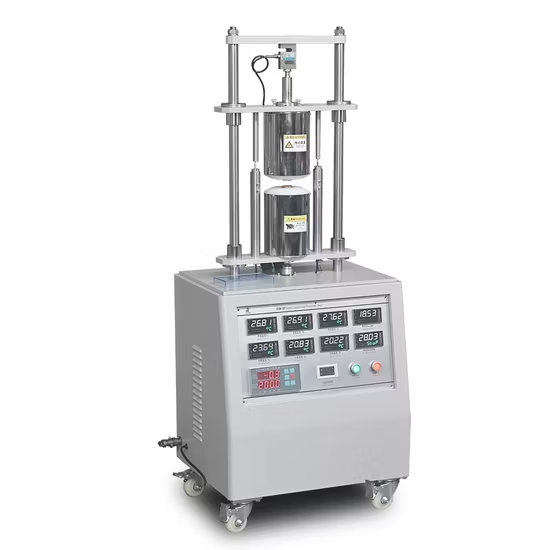
ASTM D5470 is the standard test for the thermal transmission properties of thin, thermally conductive solid materials. A sample is clamped between two reference bars at a known pressure, heat is driven through it in a steady state, and the temperature drop across it is measured. The table below shows what the test reports.
| Property | What It Tells You |
|---|---|
| Thermal impedance | Total resistance to heat at a given thickness |
| Thermal conductivity | Material’s intrinsic heat-transfer ability (W/m·K) |
| Contact resistance | Interface losses at the surfaces |
| Effect of pressure / thickness | How clamping and bond-line change performance |
Because thermal impedance depends on thickness and pressure, a proper test reports the conditions alongside the value — a pad rated at one bond-line thickness may perform differently at another.
A datasheet “thermal conductivity” number alone can mislead, because real performance also depends on how well a material wets and contacts the surfaces. ASTM D5470 captures the whole picture — conductivity plus contact resistance — which is why it is the reference method for comparing thermal interface materials on equal terms.
For designers choosing between a pad, a paste, or a gap filler, an ASTM D5470 comparison is the honest way to see which actually keeps the junction coolest in the real assembly.
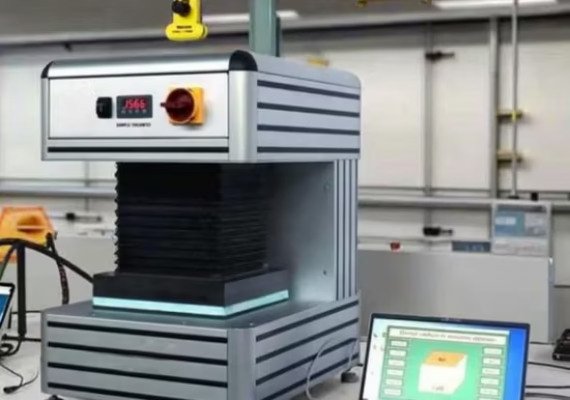
Picking a thermal interface material on datasheet numbers alone is a gamble; measuring it the same way, under the same conditions, is how you choose with confidence. With Kiyo R&D Lab’s ASTM D5470 testing, you get thermal impedance and conductivity data on controlled conditions, with NABL-accredited reporting where applicable.
Send us your material and the bond-line conditions you use, and our Chennai team will run the test and give you defensible thermal data for your design.
Call: 90420 86986 | 90876 86986
Web: www.kiyorndlab.com
ASTM D5470 is used wherever heat has to pass through a thin interface layer efficiently. Accredited reporting is available for methods within our NABL scope; we confirm the exact status for your test before you commit.
Thin thermally conductive solids and semi-solids — thermal pads, greases/pastes, gap fillers, adhesives, films, and phase-change materials used as thermal interfaces.
No. Conductivity is an intrinsic material property; impedance is the total resistance at a given thickness and pressure, including contact effects. The test reports both.
Because a thermal interface material’s performance changes with how hard it is clamped and how thin the bond line is. An ASTM D5470 result is only comparable when those conditions are stated.
A flat sample large enough to cover the reference-bar contact area, at the thickness you use in your assembly. We confirm sample size and conditions when we scope your job.