
The same grade, the same supplier, the same process — and yet one batch moulds perfectly while the next warps, cracks, or shifts colour. Plastic batch-to-batch variation is one of the most frustrating problems a moulder faces, because the cause is invisible until you test for it. This guide explains how to investigate plastic material batch-to-batch variation methodically and find the real difference between a good lot and a bad one.
At Kiyo R&D Lab, we run exactly this kind of comparison every week. The key is simple: test a known-good batch and a problem batch side by side, and let the data show where they diverge.

Your guide to diagnosing batch variation at Kiyo R&D Lab
Investigating plastic batch-to-batch variation means comparing a good and a bad batch across a few targeted tests, each sensitive to a different kind of change. The table below shows which test catches which difference.
| Test | What Difference It Reveals |
|---|---|
| Melt flow (MFI) | Molecular weight / grade shift |
| FTIR | Wrong polymer, additive or contamination |
| TGA (ash / filler) | Different filler level or type |
| DSC | Thermal history, crystallinity, regrind |
| Mechanical (tensile) | Strength / ductility change |
Run side by side, these tests turn a vague “this batch is bad” into a specific, documented cause. That comparison is the heart of any plastic material batch-to-batch variation investigation.
Testing only the bad batch tells you its numbers, but not whether they are abnormal. The power of a plastic material batch-to-batch variation study is the direct comparison: when the problem lot shows a higher MFI or an extra FTIR peak that the good lot does not, you have your answer — and the evidence to take back to your supplier.
Always keep a retained sample of a batch that ran well. It becomes the reference that makes every future investigation faster and clearer.
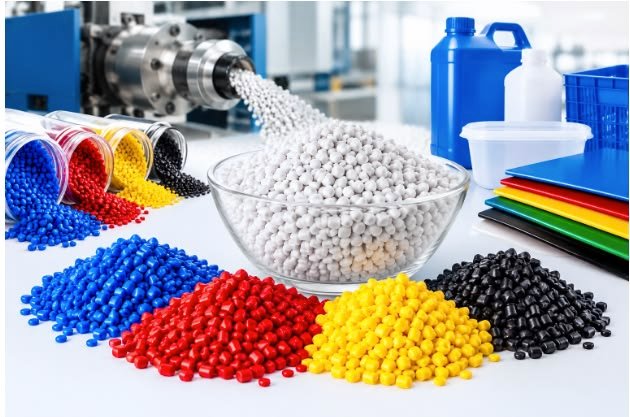
You do not have to live with mystery rejects. A structured plastic batch-to-batch variation investigation — good batch versus bad, across MFI, FTIR, thermal, and mechanical tests — finds the real difference and gives you the evidence to fix it with your supplier.
Kiyo R&D Lab runs these side-by-side comparisons routinely, with NABL-accredited reporting where applicable. Whether the issue is a grade drift, a filler change, or contamination, our plastic material batch-to-batch variation studies pinpoint it fast.
Send us both batches and tell us what changed on the line, and our Chennai team will identify the cause and report it clearly.
Call: 90420 86986 | 90876 86986
Web: www.kiyorndlab.com
A sound plastic material batch-to-batch variation study follows a clear order: compare good vs bad, start with the quickest discriminating test, then confirm. Accredited reporting is available for methods within our NABL scope.
Ideally both a known-good batch and the problem batch. A direct comparison is far more powerful for diagnosing plastic material batch-to-batch variation than testing the bad lot alone.
Usually MFI and FTIR — they are fast and catch the most common causes (grade shift and contamination). We add TGA, DSC, or mechanical tests only if needed to confirm.
A material comparison isolates the material variable. If the batches differ in the lab, the cause is in the material; if they match, the investigation points to process instead.
A focused comparison is often completed within a few working days. Tell us your deadline and we will prioritise the most discriminating tests first.