
You order the same grade from the same supplier, yet the melt flow index comes back different batch to batch — and your moulding window shifts with it. MFI variation between supposedly identical lots is a common and costly headache, because even a small drift changes how a polymer fills, packs, and cools. Understanding the causes of MFI variation is the first step to controlling it.
At Kiyo R&D Lab, we see the reasons behind MFI variation every week. The good news is that the causes are limited and identifiable — once you know where to look, a drifting melt flow stops being a mystery.
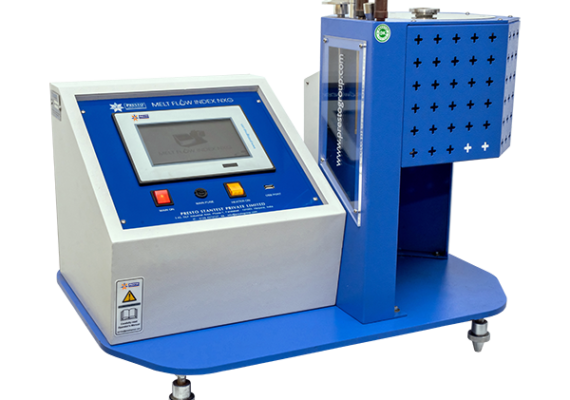
Your guide to the causes of MFI variation at Kiyo R&D Lab
Most MFI variation traces back to a short list of causes, split between the material itself and how the test was run. The table below shows where to look first.
| Cause | Effect on MFI |
|---|---|
| Moisture in the pellets | Hydrolysis raises MFI (esp. nylon, PET) |
| Thermal degradation | Chain scission raises MFI |
| Regrind / recycled content | Shifts & scatters the value |
| Additive / filler change | Alters flow up or down |
| Test condition drift | Wrong temp/load gives false variation |
| Supplier grade change | Genuine molecular-weight shift |
The first lesson of MFI variation is to rule out the test itself: an uncalibrated instrument or the wrong condition can mimic a material problem that is not there.
The single most useful split is this: is the MFI variation real, or an artefact of testing? Re-running a good and a bad batch under identical, calibrated conditions settles it immediately. If the gap holds, the material changed; if it closes, the earlier reading was the problem.
Pairing melt flow with FTIR and a thermal scan then tells you which material cause is behind the MFI variation — moisture, degradation, regrind, or a true grade change.
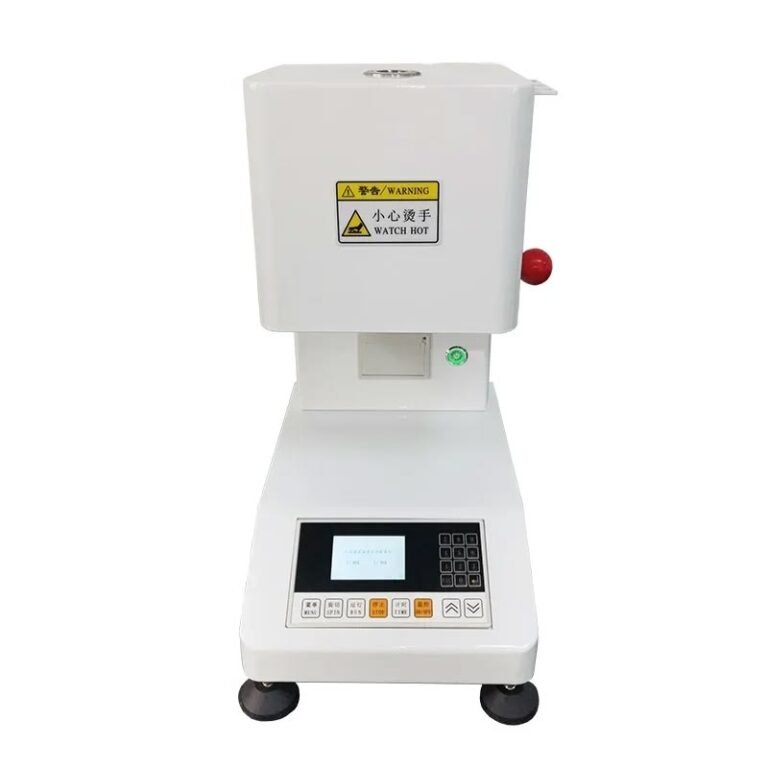
A drifting melt flow index is not random — it has a cause you can find. By ruling out the test first and then comparing batches with melt flow, FTIR, and thermal analysis, Kiyo R&D Lab pins down why your flow is moving, with NABL-accredited reporting where applicable.
Send us a good batch and a problem batch, and our Chennai team will identify the cause and give you the evidence to fix it with your supplier. For a wider view, see our guide on plastic batch-to-batch variation.
Call: 90420 86986 | 90876 86986
Web: www.kiyorndlab.com
Diagnosing MFI variation is quickest when you test a good and a bad batch together to ASTM D1238, under the exact same condition, then add FTIR or thermal analysis to confirm the cause. Accredited reporting is available for methods within our NABL scope.
Because small differences — moisture, regrind, a tweaked additive pack, or a supplier process change — all shift flow. Real MFI variation almost always comes from one of these.
Yes, strongly — for moisture-sensitive polymers like nylon and PET, undried pellets can read a much higher MFI through hydrolysis. Proper drying before testing is essential.
Often, yes. An uncalibrated instrument or the wrong temperature/load creates apparent MFI variation that is not in the material at all — which is why controlled, accredited testing matters.
A sample of a good batch and the problem batch, with the grade and condition. We confirm quantity when we scope the job.