
If a data sheet lists a plastic’s tensile strength, elongation, or modulus, chances are the numbers came from one test method — astm d638. It’s the standard the plastics industry relies on to measure how a polymer behaves when pulled, and it underpins material selection, quality control, and design worldwide. This guide explains what the standard covers, what it measures, and why it matters.
Whether you’re specifying a material, reading a supplier’s report, or preparing to test your own plastic, understanding this method helps you interpret the results with confidence. At Kiyo R&D Lab, we apply it precisely so your tensile data is accurate and defensible.
Your complete guide to ASTM D638 at Kiyo R&D Lab
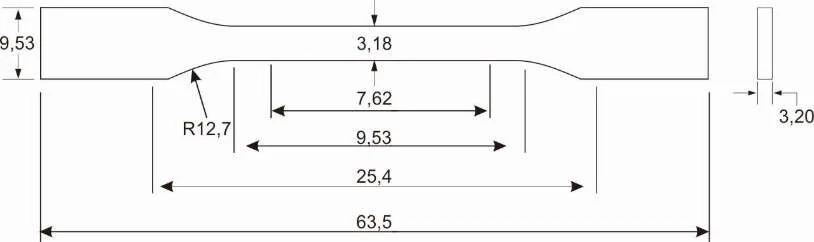
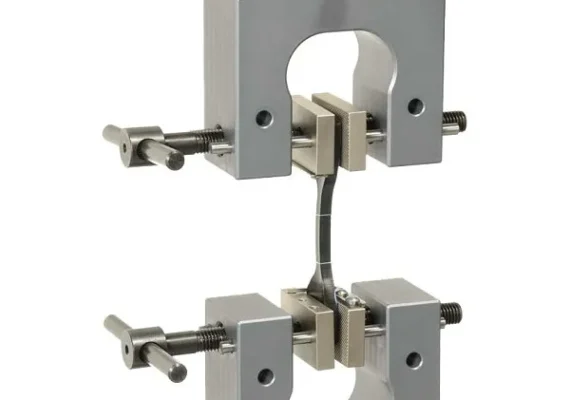
ASTM D638 is the standard test method for the tensile properties of plastics. A dumbbell-shaped specimen is gripped at both ends and pulled apart at a controlled speed while the instrument records the force applied and how far the specimen stretches. From that force-versus-extension data, the method derives the key numbers engineers use to describe a plastic’s strength and stiffness. In short, this standard turns a simple pull into a full tensile profile.
It applies to a broad range of rigid and semi-rigid plastics, filled and reinforced grades, and thin flexible sheets. Because it’s so widely adopted, results are directly comparable between suppliers, customers, and labs around the world.
The D638 method reports several distinct tensile properties, each describing a different aspect of how the plastic responds to load.
Peak stress before failure.
Stretch at yield & at break.
Stiffness of the material.
Onset of permanent deformation.
Types I–V dumbbell shapes.
Standard temperature & humidity.
| Property | What It Means | Unit |
|---|---|---|
| Tensile strength | Max stress the plastic bears | MPa (psi) |
| Elongation at break | Stretch when it snaps | % |
| Yield strength | Stress at permanent deformation | MPa (psi) |
| Tensile modulus | Resistance to stretching (stiffness) | MPa (psi) |
| Elongation at yield | Stretch at the yield point | % |
It helps to know where the D638 method sits among the other tensile methods, since the right one depends on your material.
ASTM ISO
| Standard | Material | Note |
|---|---|---|
| ASTM D638 | Plastics | The plastics tensile standard |
| ISO 527 | Plastics | ISO equivalent, differs slightly |
| ASTM D412 | Rubber & elastomers | For highly elastic materials |
| ASTM E8 | Metals | Metal tension testing |
| ASTM D790 | Plastics | Flexural, not tensile |
For plastics specifically, D638 and ISO 527 are the two you’ll most often be asked for — we test to either.
Based in Chennai with branches in Chrompet and Oragadam, Kiyo R&D Lab performs tensile testing to astm d638 across all specimen types, turning your plastic samples into clear, accurate, and comparable tensile data.
Need plastic tensile testing done right? Our team delivers strength, elongation, and modulus data with clear reporting and quick turnaround.
📞 Call 90420 86986 💬 Request a QuoteExplore all our capabilities at www.kiyorndlab.com.
From data-sheet values to design decisions, astm d638 is the method behind the tensile numbers that matter for plastics. Understanding what it measures helps you specify materials and read reports with confidence — and when you need the testing done, we’re here.
Whether you need tensile testing, guidance on specimen types, or the right standard for your material, the team at Kiyo R&D Lab is ready to help. Reach out today and get results you can stand behind.