
Getting the astm d790 specimen size right is the first step to a valid flexural test — the wrong dimensions or span-to-depth ratio can make your results non-comparable or non-compliant. This guide gives you the standard recommended specimen dimensions, the all-important span-to-depth ratio, and the rules that decide them, so your samples are prepared correctly the first time.
Whether you are preparing samples in-house or sending them to a lab, knowing the right specimen size saves time, avoids rejected reports, and keeps your flexural data meaningful.
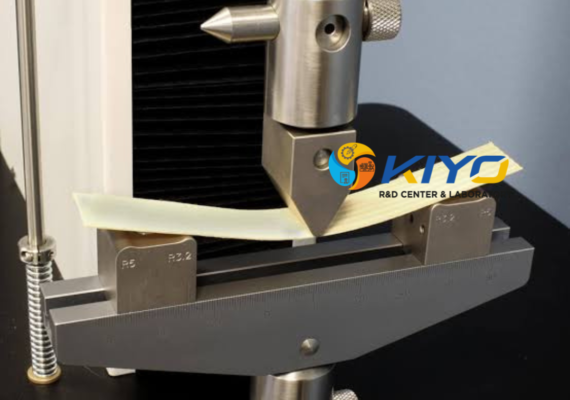
Your guide to ASTM D790 specimen size at Kiyo R&D Lab
The most common astm d790 specimen size for rigid plastics is a rectangular bar in the dimensions below. These are the standard recommended values — the exact tolerances come from the current edition of the standard.
127 mm (L) × 12.7 mm (W) × 3.2 mm (D)
length × width × depth (the common rigid-plastic bar)
| Dimension | Typical Value | Notes |
|---|---|---|
| Length | 127 mm (5 in) | Allows overhang past supports |
| Width | 12.7 mm (0.5 in) | Sized to the depth |
| Depth (thickness) | 3.2 mm (0.125 in) | Or the sheet’s thickness |
| Support span | ~51 mm (2 in) | 16× the depth |
| Overhang | min ~6.4 mm each end | So it won’t slip off |
Values shown are the standard recommended dimensions; always confirm against the current ASTM D790 edition and your material form before cutting specimens.
The single most important thing about astm d790 specimen size is not a fixed number — it is the span-to-depth ratio. The support span is set relative to the specimen depth, not to a fixed length.
So the correct specimen size for your material starts from its depth, then sets span at 16 times that (unless your specification requires a higher ratio).
Even with the right astm d790 specimen size, poor preparation can invalidate results. The common mistakes are easy to avoid.
| Do | Avoid |
|---|---|
| Smooth, parallel faces | Nicks, saw marks, taper |
| Consistent thickness | Uneven depth along length |
| Correct 16:1 span setup | Fixed span regardless of depth |
| Proper conditioning | Testing straight off the tool |
Not sure your samples meet the requirement? Send us the material and we’ll prepare compliant specimens and run the test — see our main ASTM D790 flexural testing page for the full method.
Based in Chennai (Chrompet & Oragadam), Kiyo R&D Lab prepares specimens to the correct astm d790 specimen size and runs flexural testing to the standard — so you don’t have to worry about getting the dimensions or span exactly right.
Send us your plastic and we’ll cut compliant D790 specimens and report flexural strength and modulus clearly.
Call 90420 86986 Request a QuoteExplore all our capabilities at www.kiyorndlab.com.
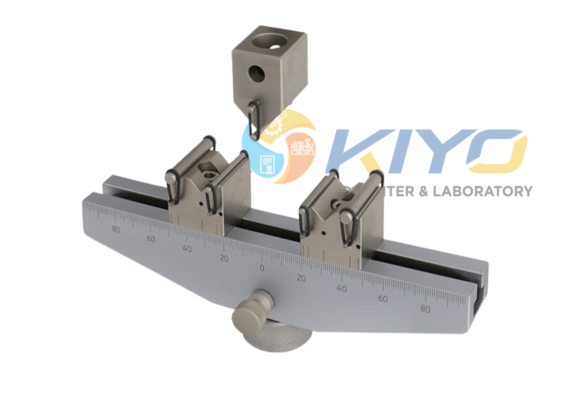
The correct astm d790 specimen size — the right dimensions and a 16:1 span-to-depth ratio — is the foundation of a valid flexural test. Get it wrong and the numbers don’t compare; get it right and your data holds up.
If you’d rather not worry about specimen prep, the team at Kiyo R&D Lab in Chennai will cut compliant specimens and run the test for you. Reach out today and turn your sample into a reliable, audit-ready report.