Materials can behave very differently when exposed to heat. A plastic may lose moisture, a rubber compound may release volatile content, a coating may degrade, and a composite may leave behind filler or ash. If this thermal behavior is not understood, product quality becomes uncertain. That is why TGA thermogravimetric analysis – Kiyo R&D Center & Laboratory is important for manufacturers, researchers, quality teams, and product development engineers.
At Kiyo R&D Center & Laboratory, TGA testing helps customers understand how materials respond under controlled heating conditions. It is widely used for plastics, polymers, rubber, coatings, composites, powders, and industrial materials. The result helps identify thermal stability, decomposition behavior, moisture content, volatile content, filler content, and final residue.
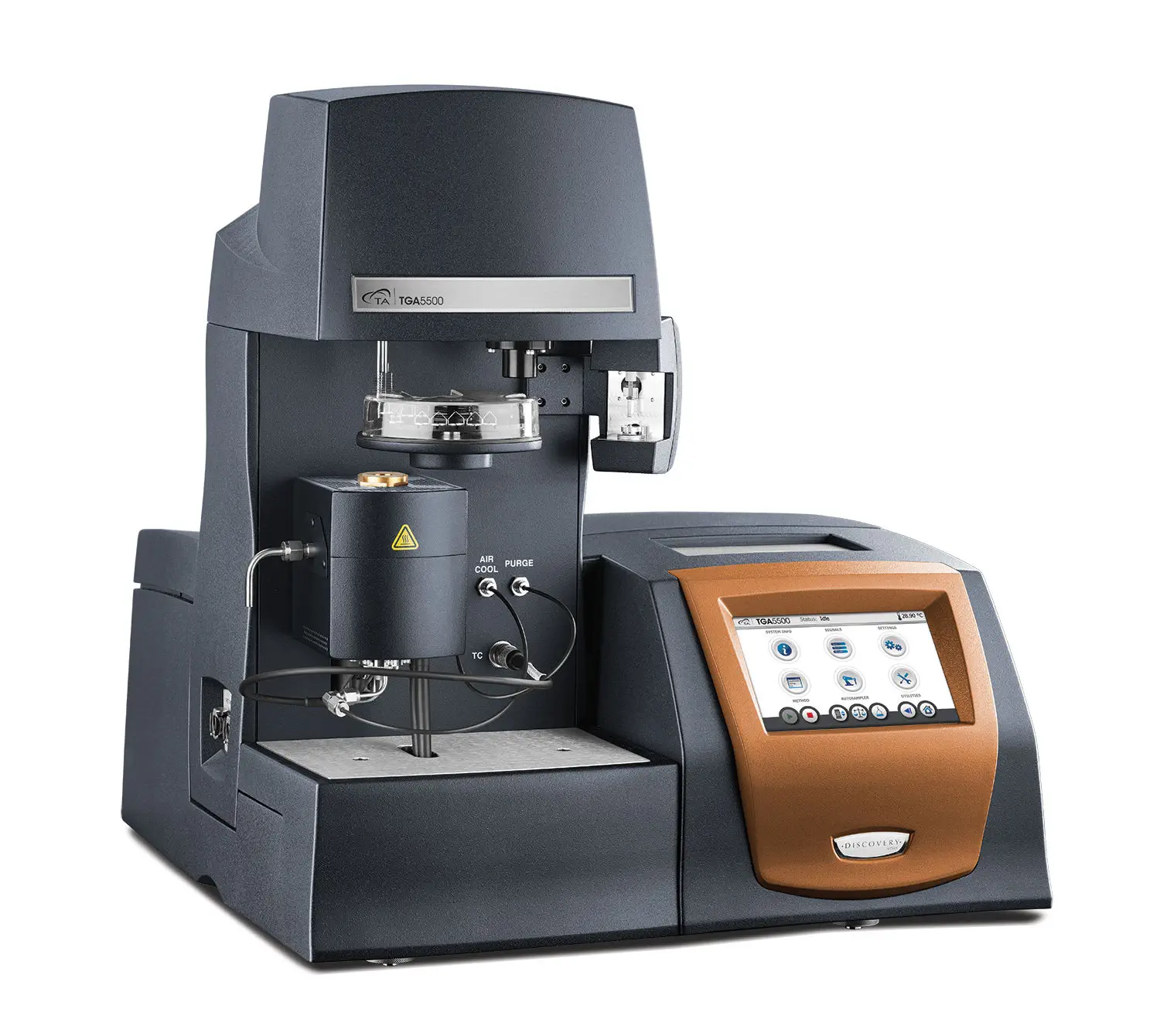
TGA, or Thermogravimetric Analysis, is a thermal analysis technique that measures the change in weight of a material as temperature increases. As the sample is heated, different components may evaporate, decompose, oxidize, or leave behind residue.
In simple terms, TGA answers one important question: what happens to this material when it is heated? This makes TGA thermogravimetric analysis – Kiyo R&D Center & Laboratory useful for material identification, quality control, product development, and failure investigation.
Ignoring thermal behavior is a weak quality decision. Many material failures happen because the material cannot withstand heat during processing or service. A polymer may degrade during molding, a rubber part may lose volatile content, or a coating may fail because of poor thermal resistance.
TGA testing helps customers:
A small sample is placed inside the TGA instrument and heated under controlled conditions. The instrument continuously measures the sample weight as temperature increases. The result is shown as a graph of weight loss against temperature or time.
This curve helps identify important stages such as moisture loss, volatile release, decomposition, oxidation, and final residue formation. Proper interpretation is important because the graph alone does not solve the problem. The result must be connected to the material type and application.
TGA is useful across many industries where thermal behavior affects product performance. It is commonly used for polymers, plastics, rubber, coatings, paints, adhesives, composites, packaging materials, automotive parts, electronics materials, and research samples.
For plastics and polymers, TGA helps identify degradation behavior and filler content. For rubber materials, it helps evaluate volatile loss, polymer degradation, carbon black, and ash content. For coatings and composites, it helps understand formulation stability and residue percentage.
A TGA report should not be just a graph. A customer needs clear technical meaning. Kiyo R&D Center & Laboratory focuses on accurate testing, practical interpretation, and professional reporting so clients can make better decisions.
TGA thermogravimetric analysis is a powerful method for understanding how materials behave under heat. It provides useful information about weight loss, moisture, volatile content, decomposition, filler content, ash content, and residue formation.
If you are looking for reliable TGA thermogravimetric analysis – Kiyo R&D Center & Laboratory, our team can support your requirement with accurate testing, useful interpretation, and professional reporting.
TGA testing shows how a material loses weight when it is heated. It can provide information about moisture content, volatile content, decomposition temperature, thermal stability, filler content, ash content, and final residue.
Yes. TGA analysis is useful for comparing a failed sample with an approved or good reference sample. Differences in weight loss pattern, residue percentage, or decomposition temperature can support root cause analysis.
Plastics, rubber, automotive, coatings, adhesives, packaging, electronics, composites, construction materials, and research-based industries commonly use TGA thermogravimetric analysis for quality control and material development.
Kiyo R&D Center & Laboratory provides TGA thermogravimetric analysis with reliable testing, practical interpretation, and professional reporting. The focus is not just giving a curve, but helping clients understand what the result means for material quality and product performance.