
A part comes off the press looking perfect, then cracks hours or weeks later — in the box, on the shelf, or in the customer’s hands. Cracking after injection molding is one of the most common and misunderstood defects, because the cause is usually locked into the part during moulding, not visible at ejection. Understanding what drives cracking after injection molding lets you trace it to a specific process parameter and fix it.
At Kiyo R&D Lab, we investigate exactly these delayed, moulding-related cracks. The resin is often fine — the answer to cracking after injection molding lies in how the part was filled, packed, cooled, and dried.
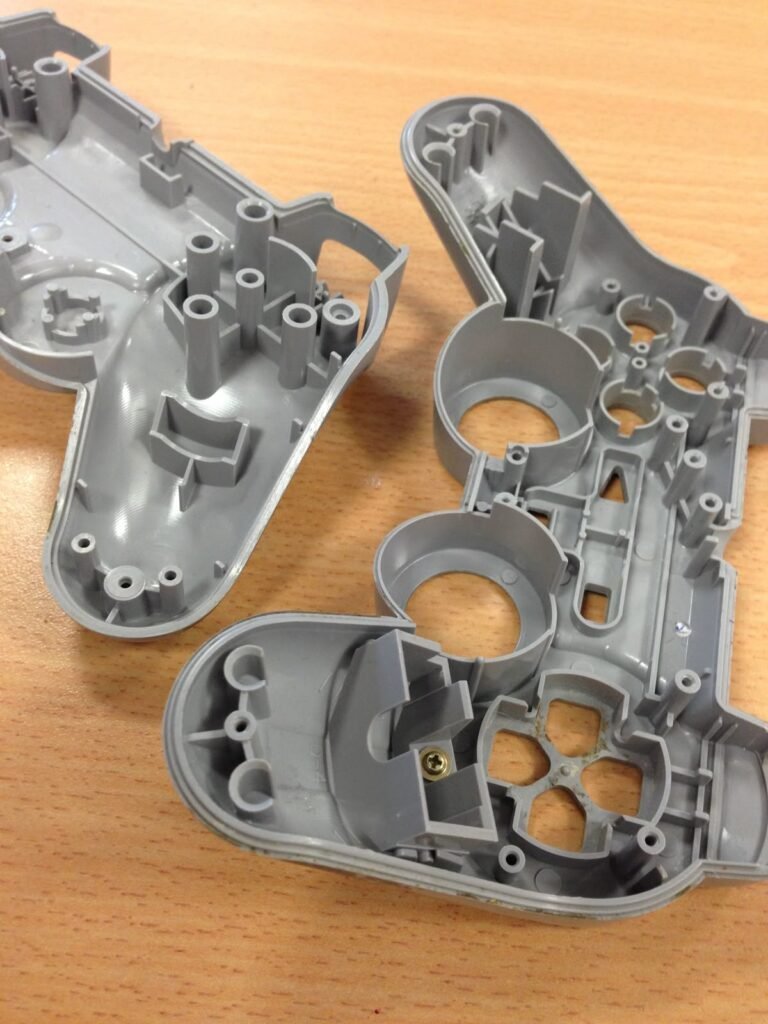
Your guide to moulding-related cracking at Kiyo R&D Lab
Nearly all cracking after injection molding traces to something set at the machine, not the material. The table below shows the main moulding causes and the parameter behind each.
| Cause | Parameter Behind It |
|---|---|
| Residual (moulded-in) stress | Over-packing, fast cooling, high hold |
| Weak weld / knit lines | Low melt/mould temp, gate position |
| Thermal degradation | Excess melt temp or residence time |
| Moisture / hydrolysis | Inadequate drying of the resin |
| Ejection stress / warpage | Short cooling, poor ejection design |
The signature of cracking after injection molding is often delay: the part survives ejection but fails later as locked-in stresses relax. That time lag is the clue that points to moulding, not the material.
Most cracking after injection molding comes down to residual stress — the frozen-in tension left when a part is packed too hard or cooled too fast. The part looks fine until that stress finds a weak point (a weld line, a sharp corner) or a chemical, and then it cracks. It is invisible to the eye but clear under the right test.
The fix is almost always a process adjustment — lower hold pressure, warmer mould, longer cooling — once the cause is confirmed. Guessing wastes cycles; measuring does not.
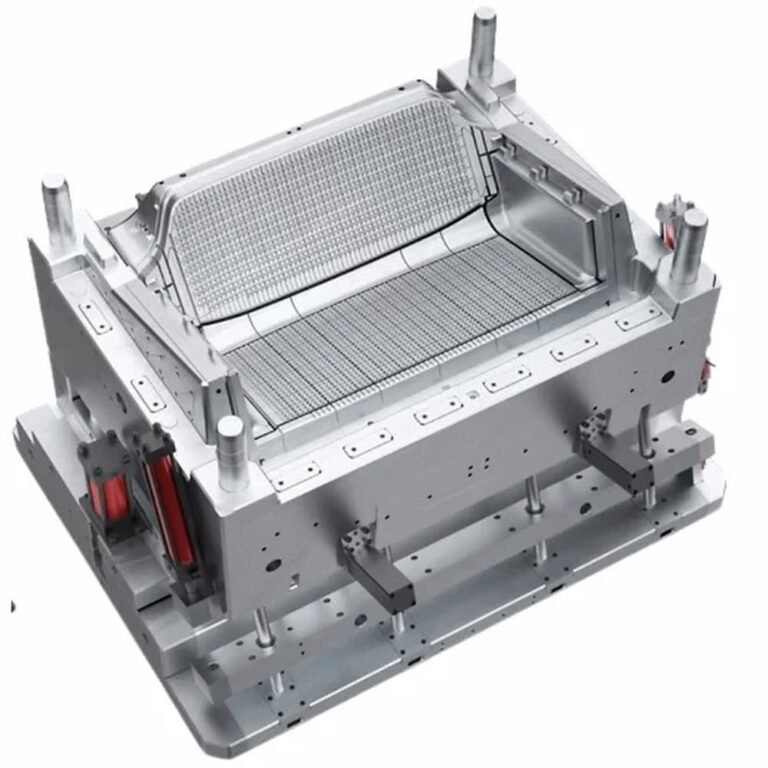
Delayed cracks are a process message, not a material one. A proper investigation into cracking after injection molding reads the failed part — its stress state, its fracture, its thermal history — and points you to the exact parameter to change, so you stop scrapping parts and fix the mould or settings instead.
Kiyo R&D Lab uses SEM, FTIR, thermal, and stress tests to diagnose moulding-related cracks, with NABL-accredited reporting where applicable. Send us the part and your settings, and our Chennai team will find the cause. For the broader picture, see our guides on why plastic parts crack and why good parts still fail.
Call: 90420 86986 | 90876 86986
Web: www.kiyorndlab.com
Diagnosing cracking after injection molding means examining the failed part — the fracture surface, signs of degradation, and the presence of residual stress — rather than re-testing the pellets. Accredited reporting is available for methods within our NABL scope.
Because residual stress relaxes over time. Delayed cracking after injection molding is classic for moulded-in stress, which can take hours or weeks to drive a crack.
Usually not — the resin is rarely the cause. Most cracking after injection molding is solved by adjusting pressure, temperature, cooling, or drying once the root cause is confirmed.
The cracked part, un-cleaned and with the fracture untouched, plus a good part if available. Tell us the material, the machine settings, and when it cracked.
A focused investigation is often completed within a few working days, depending on the techniques the case needs.