
Will your insulating material actually insulate — and can you prove it? For plastics, rubber, coatings, and electronic components, electrical behaviour decides whether a part is safe, compliant, and fit for use. electrical property testing measures how a material resists current, withstands voltage, and behaves in an electric field. Kiyo R&D Lab tests the electrical properties of your materials to recognised standards, with accurate data and clear reporting.
From insulators and cables to plastics, elastomers, and coatings, our expert team delivers accurate electrical data, supporting analysis, and clear, audit-ready reports you can rely on.
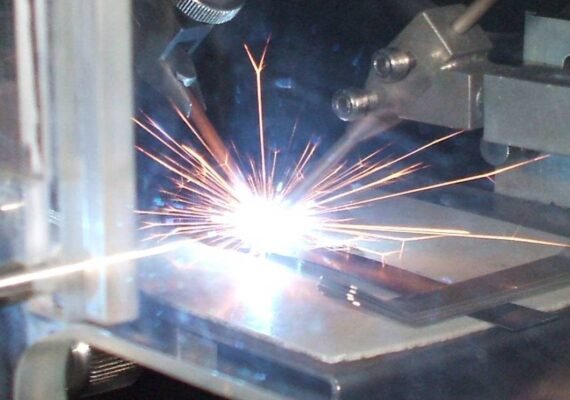
Your guide to electrical property testing at Kiyo R&D Lab
Insulating materials fail quietly — a slightly conductive plastic or a coating that breaks down under voltage may pass a visual check yet cause a short, a shock, or a field failure later. electrical property testing makes those hidden properties visible, confirming a material resists current and withstands the voltages it will meet in service.
For manufacturers and designers it guides material choice and proves compliance; for QC teams it verifies incoming material; for failure work it explains why an insulator broke down. In every case it turns an assumption about safety into documented evidence.
Our electrical property testing covers the core electrical characteristics of insulating and dielectric materials.
Resistance through the bulk.
Resistance along the surface.
Voltage to breakdown.
Permittivity & loss.
Surface arc tracking.
Overall resistance.
| Property | Standard | What It Measures |
|---|---|---|
| Volume / surface resistivity | ASTM D257 | Resistance to current |
| Dielectric strength | ASTM D149 | Breakdown voltage |
| Dielectric constant & loss | ASTM D150 | Permittivity, dissipation |
| Arc resistance | ASTM D495 | Surface arc tracking |
| Resistance / resistivity (IEC) | IEC 62631 | Volume & surface resistance |
Publish only the electrical tests Kiyo performs in-house; confirm dielectric strength, permittivity, and arc-resistance availability before listing if not currently offered.
Our electrical property testing follows globally recognised methods, so your reports are accepted by auditors, buyers, and regulators alike.
ASTM IEC
| Standard | Covers |
|---|---|
| ASTM D257 | DC resistance & resistivity |
| ASTM D149 | Dielectric breakdown strength |
| ASTM D150 | Permittivity & dissipation factor |
| ASTM D495 | High-voltage arc resistance |
| IEC 62631 | Dielectric & resistive properties |
Explore our individual test pages — such as ASTM D257 resistivity — for the detail behind each method, or ask for a combined electrical-property package.
Based in Chennai with branches in Chrompet and Oragadam, Kiyo R&D Lab makes electrical property testing easy to access for the Chennai–Oragadam industrial corridor, with convenient drop-off and courier-friendly collection.
Need electrical property testing? Tell us your material and the property you need measured, and we’ll confirm the right test and turnaround.
Call 90420 86986 Request a QuoteExplore all our capabilities at www.kiyorndlab.com.
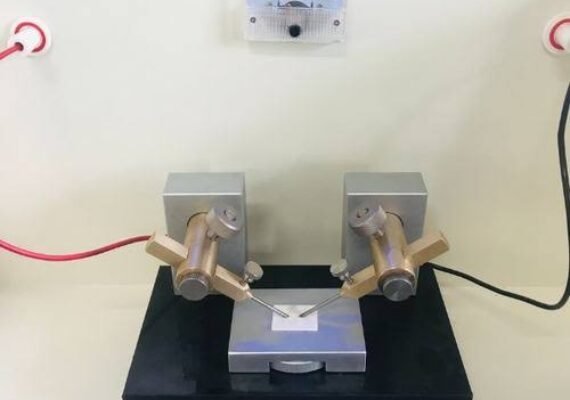
Electrical safety and performance should be measured, not assumed. With thorough electrical property testing, we combine correct specimen conditioning, recognised ASTM and IEC methods, and expert interpretation to give you data you can stand behind.
From a single resistivity check to a full electrical-property profile, the team at Kiyo R&D Lab is ready to help. Reach out today and turn your sample into a reliable, audit-ready report.