
Rubber test results are only comparable if every lab prepares and conditions specimens the same way — and that is exactly what ISO 23529 standardises. It is the general-procedures standard that underpins most physical rubber tests, defining how specimens are cut, how they are conditioned, and the standard temperatures and humidity used before testing. At Kiyo R&D Lab, we apply it as the foundation for reliable, repeatable rubber testing.
Whether you are running tensile, hardness, compression set, or ageing tests, following the standard correctly is what makes your results defensible and comparable across batches and suppliers. Our team handles specimen preparation and conditioning to the standard so the test data that follows holds up to any customer audit.
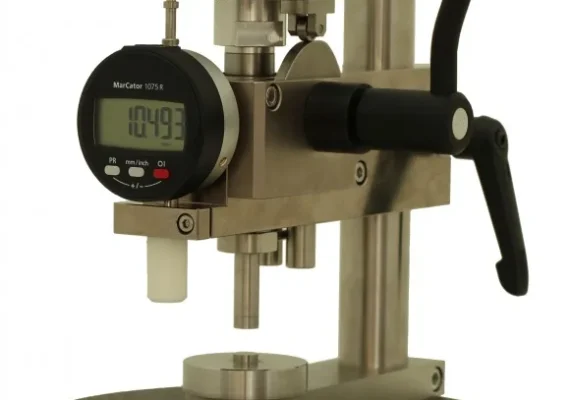
Your guide to ISO 23529 rubber specimen procedures at Kiyo R&D Lab
ISO 23529 is the general-procedures standard for the physical testing of rubber. Rather than defining one test, it sets the common rules that other rubber test standards refer back to — how specimens are prepared, and the standard conditions they are kept in before testing. The table below shows the key areas it governs.
| Area | What It Specifies |
|---|---|
| Specimen preparation | Cutting, die-stamping & buffing of samples |
| Standard temperatures | 23 °C and 27 °C reference temperatures |
| Conditioning time | Minimum rest before testing |
| Test atmosphere | Standard laboratory temperature & humidity |
| Thickness measurement | How dimensions are gauged without distortion |
Because so many rubber methods cite it, applying ISO 23529 correctly is what lets a tensile or hardness result from one lab be trusted by another.
A tensile or compression-set result can shift simply because specimens were cut badly or tested before conditioning. ISO 23529 removes that variability by fixing the preparation and conditioning steps, so the only thing the test measures is the material itself.
That is why a lab that applies these procedures rigorously gives you numbers you can compare batch to batch and supplier to supplier — the quiet foundation beneath every headline rubber property.

Every reliable rubber result starts with correct specimen preparation and conditioning. By applying ISO 23529 as standard, Kiyo R&D Lab makes sure your tensile, hardness, compression-set, and ageing data is comparable and defensible — with NABL-accredited reporting where applicable.
Tell us the rubber property you need measured, and our Chennai team will prepare specimens to the standard and get you results you can trust.
Call: 90420 86986 | 90876 86986
Web: www.kiyorndlab.com
ISO 23529 is the preparation and conditioning backbone for many physical rubber tests we run, from tensile to compression set. Accredited reporting is available for methods within our NABL scope; we confirm the exact status for your test before you commit.
No — it is a general-procedures standard. It defines how specimens are prepared and conditioned, and other standards (like ISO 37 for tensile) reference it for those steps.
It consolidated and replaced the older ISO 471 (conditioning) and ISO 4661 (preparation) procedures into a single reference standard.
Freshly moulded or cut rubber can keep changing for hours. The standard sets a minimum rest and a standard atmosphere so the specimen is stable and comparable when tested.
Usually not — it is applied automatically as part of the rubber test you order. Just tell us the property you need, and the ISO 23529 preparation is built into the job.