
If your specification calls for iso 527-2, it means your rigid moulded or extruded plastic must be tensile-tested using the standard dumbbell specimens this part defines. It is the part of the ISO 527 family that turns the general tensile method into a precise, repeatable test for everyday thermoplastics and thermosets. Kiyo R&D Lab tests your plastics to ISO 527-2 with accurate data and clear reporting.
From commodity and engineering thermoplastics to filled compounds and thermosets, our expert team delivers accurate tensile data, supporting analysis, and clear, audit-ready reports you can rely on.
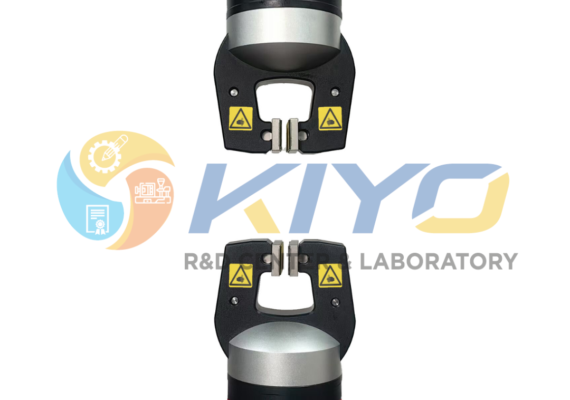
Your guide to ISO 527-2 tensile testing at Kiyo R&D Lab
ISO 527-2 is the part of the ISO 527 standard that specifies the test conditions for the tensile properties of moulding and extrusion plastics. Where ISO 527-1 gives the general principles, iso 527-2 pins down the practical details for rigid plastics — most importantly the specimen geometry, the type 1A and 1B dumbbells that have become the everyday standard for testing thermoplastics and thermosets.
A test to iso 527-2 pulls a dumbbell specimen at a controlled speed until it yields or breaks, measuring tensile strength, elongation, and modulus. Because the specimen and conditions are standardised, results are directly comparable against datasheets and specifications worldwide.
Testing to iso 527-2 centres on the right specimen and the right measured properties.
Stress at yield / break.
Stiffness in tension.
At yield & at break.
Directly moulded.
Machined from sheet.
Grade consistency.
| Specimen | Preparation | Typical Use |
|---|---|---|
| Type 1A | Directly injection moulded | Preferred for moulded grades |
| Type 1B | Machined from sheet / plaque | When only sheet is available |
| Speed | Per material (e.g. 1, 5, 50 mm/min) | Modulus vs strength runs |
| Output | Strength, modulus, elongation | Datasheet comparison |
Exact specimen dimensions and test speed follow the current ISO 527-2 standard and your material.
iso 527-2 does not stand alone — it works with ISO 527-1 (general principles) and sits alongside the other parts for different material forms.
| Part | Covers |
|---|---|
| ISO 527-1 | General principles (all plastics) |
| ISO 527-2 | Moulding & extrusion plastics (1A/1B) |
| ISO 527-3 | Films & sheets |
| ISO 527-4 / -5 | Composites |
| ASTM D638 | US equivalent for plastics tensile |
For the full picture of plastic tensile testing, see our main ISO 527 page — this page focuses specifically on the iso 527-2 part and its specimens.
Based in Chennai with branches in Chrompet and Oragadam, Kiyo R&D Lab makes ISO 527-2 tensile testing easy to access for the Chennai–Oragadam industrial corridor, with convenient drop-off and courier-friendly collection.
Need testing to iso 527-2? Tell us your plastic and specimen form, and we’ll confirm the specimen type, speed, and turnaround.
Call 90420 86986 Request a QuoteExplore all our capabilities at www.kiyorndlab.com.
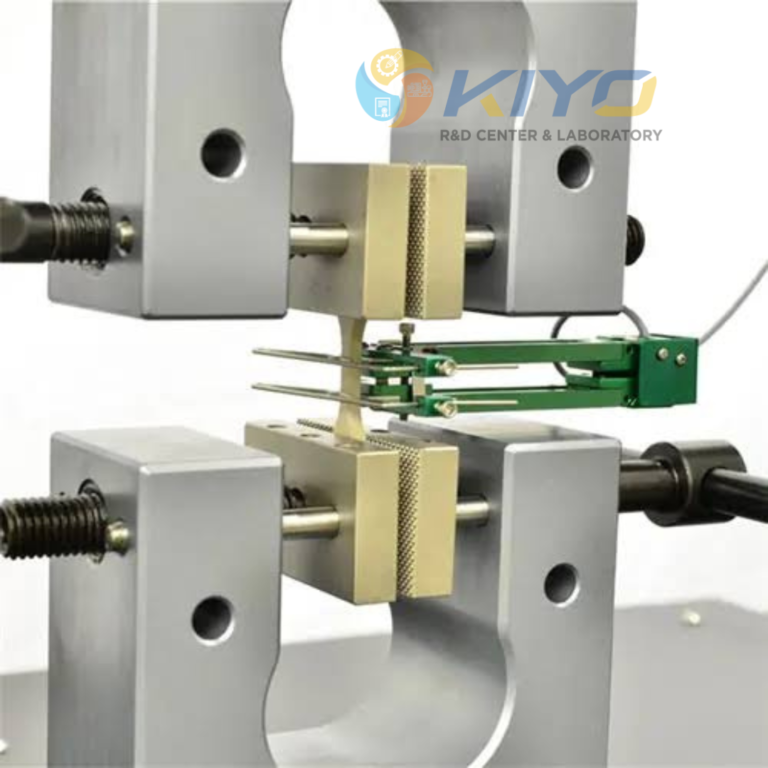
When your specification calls for iso 527-2, the specimen and conditions have to be right for the result to count. We combine correct type 1A / 1B specimen preparation, the proper test speed, and expert interpretation to give you tensile data you can stand behind.
From a single grade check to a full tensile profile, the team at Kiyo R&D Lab is ready to help. Reach out today and turn your sample into a reliable, audit-ready report.