What is TGA Testing, and How Does it Reveal Polymer Composition?
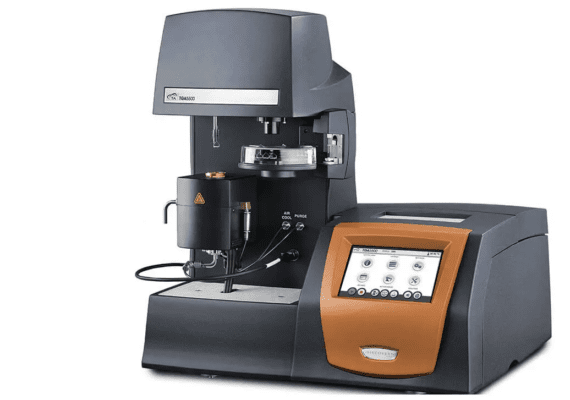
Thermogravimetric Analysis (TGA) is a technique that measures the change in the weight (mass) of a material sample as a function of increasing temperature. Essentially, we are sending the material on a controlled heat journey and recording every step of its structural breakdown.
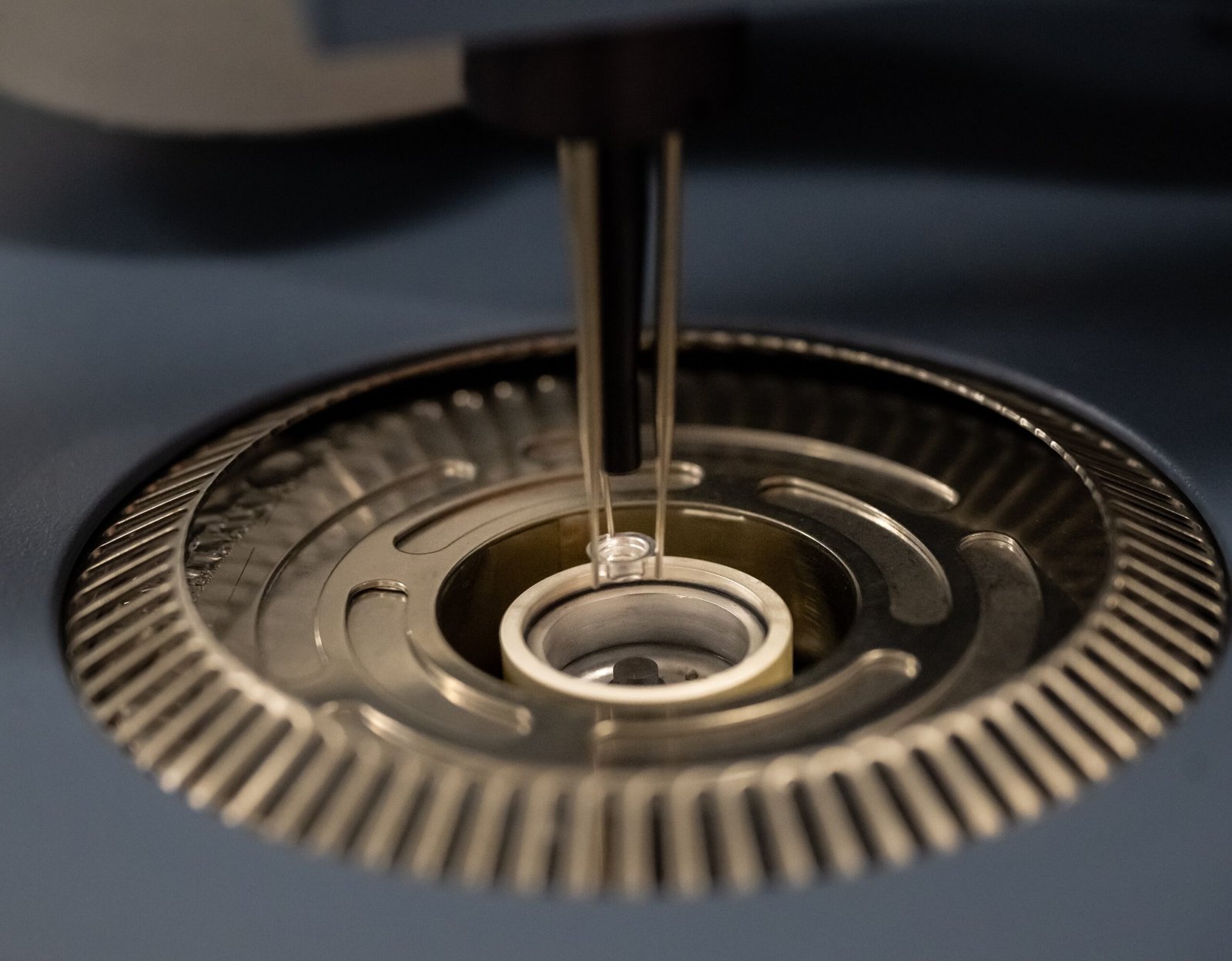
Imagine heating a polymer sample and holding a highly sensitive scale underneath it. As the temperature rises, different components—like moisture, plasticizers, the polymer itself, and finally, fillers—burn off or evaporate in distinct, measurable stages.
The beauty of TGA is that different polymer components decompose at unique temperatures. By tracking the percentage of weight loss at each temperature interval, the TGA instrument provides a forensic breakdown of the material’s complex chemistry.
The Critical Data TGA Provides for Polymer Engineers
For plastics manufacturers and engineers, TGA provides far more than just a decomposition temperature; it offers the foundational metrics necessary for quality control and R&D:
1. Determining Component Percentages (Compositional Analysis)
This is arguably the most vital function of TGA. It allows labs to calculate the exact percentage of:
- **Polymer Content:** The main matrix material (e.g., HDPE, Nylon, Polypropylene).
- **Inorganic Fillers:** Such as glass fiber, carbon black, talc, or minerals, which enhance mechanical strength. (The final weight remaining—the ash content—is the inorganic filler percentage).
- **Additives & Plasticizers:** Volatile compounds that escape at lower temperatures, which are key to a material’s flexibility or flow properties.
2. Thermal Stability and Degradation Temperature
TGA determines the temperature at which the polymer material begins to break down. This is crucial for setting safe limits for:
- **Processing Windows:** Ensuring the polymer is not damaged during high-temperature manufacturing processes like extrusion or injection molding.
- **Maximum Operating Temperature:** Defining the highest safe temperature a final product can withstand without compromising its structural integrity.
3. Quality Control (QC) and Batch Consistency
In manufacturing, consistency is king. TGA is used to ensure that every batch of raw material or every finished product meets the precise formulation. If a supplier changes the percentage of expensive glass fiber filler, TGA testing reveals it immediately, preventing costly quality defects down the line.
TGA Applications Driving Industry in India
The need for reliable thermal and compositional analysis is paramount in India’s key manufacturing sectors. Expert **tga test for polymers services india – Kiyo R&D Lab** supports applications such as:
- **Automotive Components:** Analyzing composites used under the hood (gaskets, seals, housings) to verify thermal performance against engine heat and ensuring flame retardant levels are correct.
- **Electronics and Wires:** Checking the stability and filler content of cable insulation, potting compounds, and circuit board materials to prevent thermal degradation and short circuits.
- **Failure Analysis:** When a plastic component fails in the field (e.g., melts, degrades, or loses strength), TGA can quickly determine if the wrong material was used or if the formulation was inconsistent.
- **Reverse Engineering:** Breaking down a competitor’s product to accurately determine its complex material mix, enabling efficient R&D.
Why Choose Kiyo R&D Lab for Your TGA Needs?
When the data generated from a **tga test for polymers services india** is used to make multi-million rupee decisions on material procurement and product safety, expertise and accreditation are non-negotiable. Kiyo R&D Lab provides the confidence you need:
1. NABL / ISO 17025 Accreditation
Kiyo R&D Lab operates under the most stringent quality guidelines (NABL/ISO 17025). This means our instruments are meticulously calibrated, our procedures are globally standardized, and the reports you receive are **defensible and internationally recognized** for compliance and trade.
2. State-of-the-Art Instrumentation
We use advanced TGA instruments capable of precise temperature control and highly accurate mass measurements. Our equipment can utilize different gases (like air or nitrogen) during testing to differentiate between polymer decomposition and filler combustion (ash content), providing maximum insight into the material’s chemistry.
3. Consultative Expertise
Our team of material scientists and chemists understands polymers deeply. We don’t just hand over a curve; we interpret the multi-step degradation process, explaining what the data means for your injection molding temperature, your product’s final strength, or your material sourcing strategy.
4. Fast and Reliable Service
In R&D and QC, time is money. We are committed to providing rapid turnaround times without sacrificing the precision that our NABL accreditation demands, allowing your projects to move forward quickly and confidently.