A defect that enters with the resin leaves with the product. Off-spec granules, a wrong grade, contamination, or excess moisture can wreck a whole production run — and you only find out after the parts fail. Plastic raw material testing catches those problems at the loading bay, before the material ever reaches the machine. At Kiyo R&D Lab, we help manufacturers verify incoming polymer so production starts on solid ground.
Whether you are accepting a new supplier, checking a fresh batch, or investigating why moulding went wrong, plastic raw material testing gives you the data to accept or reject a lot with confidence. Our team runs the checks in-house and gives you clear, defensible reports.
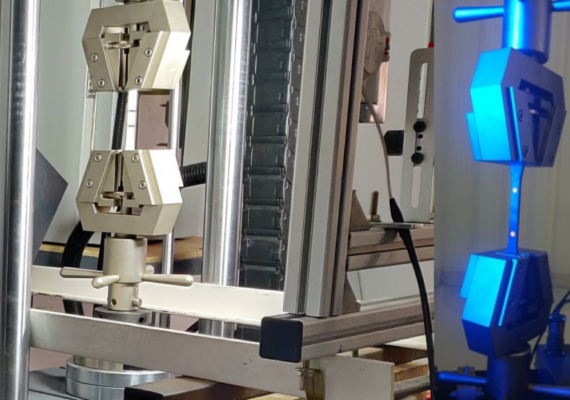
Your guide to incoming resin testing at Kiyo R&D Lab
Effective plastic raw material testing focuses on the few properties that predict whether a resin will process and perform as expected. The table below shows the core incoming checks and what each one catches.
| Check | What It Catches |
|---|---|
| Melt flow index (MFI) | Wrong grade or inconsistent batch |
| FTIR identification | Wrong polymer or contamination |
| Moisture content | Drying problems & moulding defects |
| Ash / filler content (TGA) | Over- or under-filled compound |
| Density / bulk density | Grade mismatch & regrind content |
| Thermal (DSC) | Melting point & degradation |
A short panel of these checks is usually enough: well-targeted plastic raw material testing confirms the lot is the grade you ordered, uncontaminated, and dry enough to run.
The cheapest place to reject bad material is before it is loaded into the hopper. Once an off-spec lot runs, you pay for scrap, downtime, and sometimes a field failure on top. Incoming plastic raw material testing turns a gamble on every delivery into a documented accept/reject decision.
For high-volume moulders, even a small rejection rate caught early saves far more than the cost of testing — and it gives you leverage in a supplier dispute.
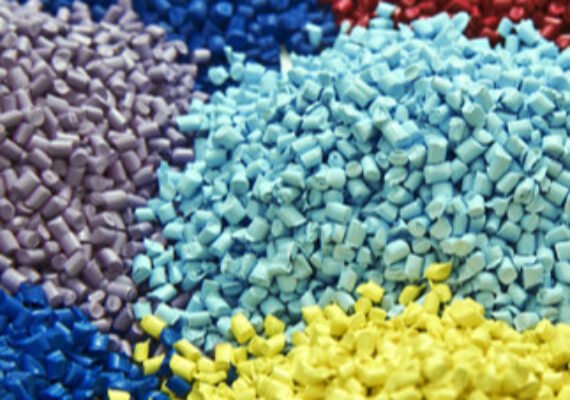
The surest way to avoid a bad batch of product is to stop a bad batch of resin at the gate. With Kiyo R&D Lab’s plastic raw material testing, you get fast, focused incoming checks — grade, identity, moisture, filler, and thermal behaviour — with NABL-accredited reporting where applicable.
Send us a sample from the lot and your material spec, and our Chennai team will run the panel and give you a clear accept/reject answer fast.
Call: 90420 86986 | 90876 86986
Web: www.kiyorndlab.com
Our plastic raw material testing follows recognised ASTM and ISO methods — ASTM D1238 for MFI, TGA for filler content, and more. Accredited reporting is available for methods within our NABL scope; we confirm the exact status for your test before you commit.
MFI and FTIR together are the quickest way to confirm grade and identity. Adding density or filler content catches most remaining substitution issues in plastic raw material testing.
A few hundred grams of pellets or granules is usually enough for a full incoming panel. We confirm the exact quantity when we scope your job.
Yes. Plastic raw material testing is especially valuable for regrind, where grade, contamination, and degradation vary more than with virgin resin.
Most incoming panels are completed within a few working days once the sample is received. Rush handling is available when a delivery is on hold.