When two materials look the same but perform differently, the real difference is usually hidden at the molecular level. Visual inspection cannot identify polymer type, chemical variation, contamination, or formulation differences. That is why Raman spectroscopy analysis services in Chennai – Kiyo R&D Lab are valuable for industries that need accurate material identification and confident technical decisions.
At Kiyo R&D Lab, Raman spectroscopy is used as a practical analysis tool for plastics, polymers, coatings, pigments, chemicals, residues, powders, and unknown particles. It helps clients verify materials, compare samples, detect contamination, and support failure investigation with molecular-level evidence.
Material mistakes can become expensive very quickly. A wrong polymer grade, an unknown contaminant, a coating variation, or a supplier batch difference can lead to product rejection, customer complaints, and failure in application.
By choosing Raman spectroscopy analysis services in Chennai – Kiyo R&D Lab, clients can:
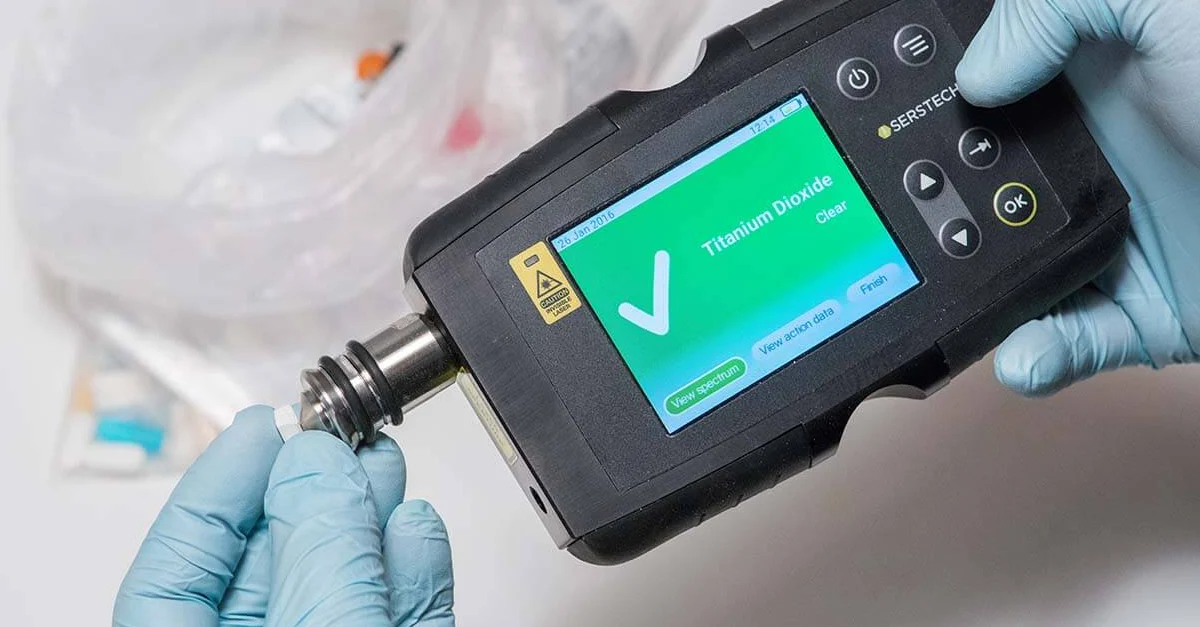
Raman spectroscopy works by studying how light scatters when it interacts with molecular vibrations in a sample. The result is a Raman spectrum, which acts like a molecular fingerprint of the material.
At Kiyo R&D Lab, Raman results are not treated as just graphs. They are interpreted based on the client’s sample, application, and testing objective.
Raman spectroscopy is useful for many industrial materials because it can analyze small areas, particles, powders, coatings, and solid samples with minimal preparation in many cases.
For plastics and polymers, Raman analysis can help identify polymer families, detect mix-ups, compare approved and rejected samples, and support product validation. For coatings and pigments, it can help identify material differences, pigment type, and formulation-related changes. For chemicals and residues, Raman can support unknown material identification and contamination investigation.
A proper Raman testing process requires correct sample handling, suitable laser settings, spectrum acquisition, and interpretation. The sample is placed under the Raman spectrometer, a laser is focused on the target area, and scattered light is collected to generate the Raman spectrum.
In many cases, Raman spectroscopy can be non-destructive or minimally destructive, which is useful when the sample is limited, valuable, or complaint-related.
Clients do not need only a spectrum. They need answers that help them take action. A Raman report should support product approval, supplier validation, R&D comparison, or failure investigation.
Kiyo R&D Lab focuses on answering practical questions such as:
When a product fails, the cause may be related to material mismatch, contamination, degradation, coating variation, or unexpected residue. Raman spectroscopy helps identify these issues by providing molecular-level information.
Using Raman spectroscopy analysis services in Chennai – Kiyo R&D Lab, clients can compare good and failed samples, identify unknown particles, study coating differences, and support root cause analysis with stronger evidence.
Not every Raman report is useful. The real value comes from proper acquisition and clear interpretation. Kiyo R&D Lab focuses on giving clients data that supports decisions, not just raw spectral output.
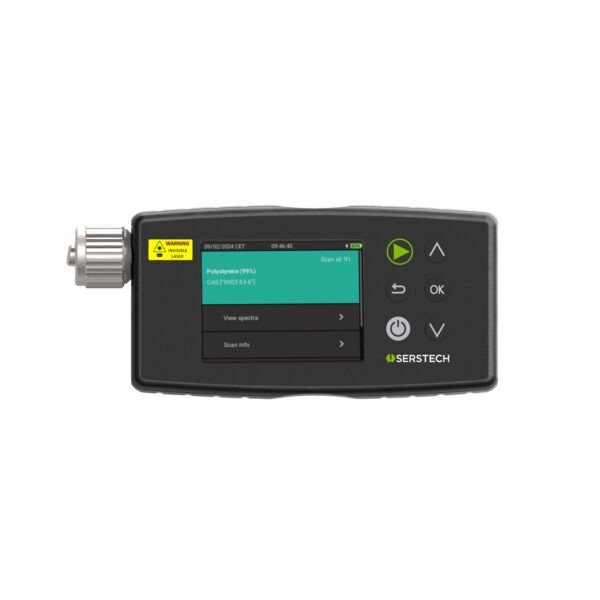
If you are looking for reliable Raman spectroscopy analysis services in Chennai – Kiyo R&D Lab, our team can support your requirement with accurate Raman testing, practical interpretation, and clear reporting.
Website: www.kiyorndlab.com
Phone: 090876 86986
Raman spectroscopy is used to identify molecular structure, verify material composition, compare samples, detect contamination, analyze coatings, identify pigments, and support failure investigation.
Yes. Raman analysis can detect many types of contamination, foreign particles, residues, pigments, and chemical substances depending on the sample type and Raman response.
Turnaround time depends on sample condition, number of samples, comparison requirement, spectrum quality, and reporting scope. Simple identification may be faster, while detailed failure investigation or sample comparison may take longer.
Clients should choose Kiyo R&D Lab because the lab provides Raman spectroscopy analysis with practical interpretation, professional reporting, and technical support for material identification, quality control, R&D, and failure investigation.