
A seal that hardens in the cold, a hose that cracks in the sun, a gasket that loses its grip after months of heat: rubber parts rarely fail suddenly. They wear out through ageing, compression and fluid attack. Reliable rubber product testing shows how a compound and a finished part will behave long before they reach the customer.
At Kiyo R&D Lab, we measure the strength, hardness, ageing and chemical resistance of rubber and elastomers, and report the results against the applicable standard. Our team combines NABL-aligned methods with expert interpretation, so your decisions rest on evidence, not guesswork.
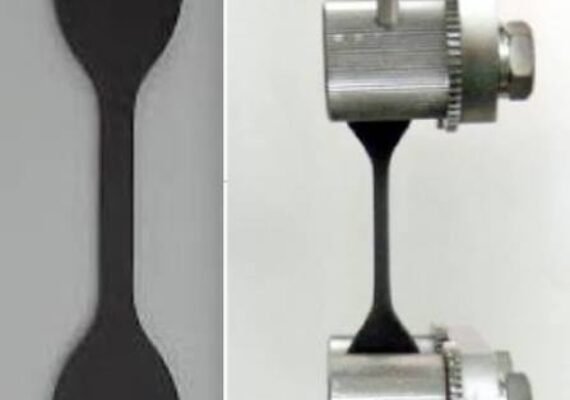
Your guide to rubber and elastomer testing at Kiyo R&D Lab
A capable elastomer testing laboratory looks at rubber from three angles: the compound (what it is made of), the physical properties (how strong, hard and elastic it is), and the durability (how it holds up to heat, ozone, fluids and wear). Comprehensive rubber product testing combines all three, so a part is judged on how it will perform in service, not just on a datasheet.
The table below lists common tests, what each reveals and the usual methods. Exact methods and limits follow your customer specification or the standard you name.
| Test | What It Reveals | Common Method |
|---|---|---|
| Tensile & elongation | Strength and stretch before break | ISO 37 / ASTM D412 |
| Hardness (Shore) | Resistance to indentation | ISO 7619-1 / ASTM D2240 |
| Tear strength | Resistance to tear growth | ISO 34-1 / ASTM D624 |
| Compression set | Seal recovery after squeezing | ISO 815-1 / ASTM D395 |
| Heat aging | Property change after hot exposure | ISO 188 / ASTM D573 |
| Ozone resistance | Surface cracking under stretch | ISO 1431-1 / ASTM D1149 |
| Fluid immersion | Swelling and softening in oils and fuels | ISO 1817 / ASTM D471 |
| Abrasion resistance | Wear from rubbing and sliding | ISO 4649 |
Each result is reported against the applicable standard, giving a traceable record. Running these together makes rubber product testing faster to plan and easier to compare from batch to batch.
A good compound can still fail as a moulded part because of poor cure, trapped stress or the wrong geometry. Testing both the compound and the finished product catches problems at the right stage. This approach to rubber product testing also helps you trace a failure back to the material, the process or the design.
For related reading, see our guide to the ISO abrasion resistance methods and our plastic testing laboratory page.
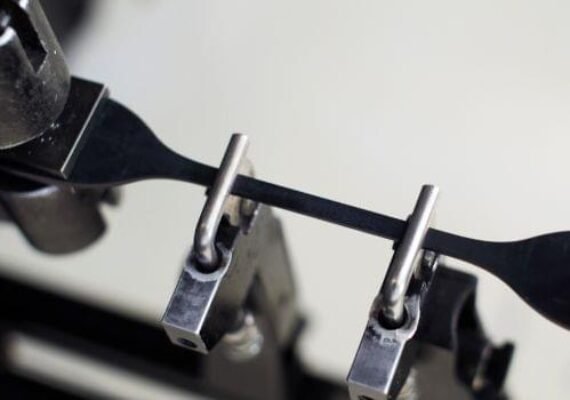
From compound development to failure analysis, good decisions start with good data. As a trusted elastomer testing laboratory, Kiyo R&D Lab brings rubber product testing together under one roof, backed by ASTM/ISO methods and NABL-accredited reporting where applicable.
Tell us your rubber material or part and the question you need answered. Our team will build the right plan for your rubber product testing and get you defensible results fast.
Call: 90420 86986 | 90876 86986
Web: www.kiyorndlab.com
Our rubber product testing works to recognised ISO and ASTM methods, or to your OEM specification. Accredited reporting is available for methods within our NABL scope; we confirm the exact status for your test before you commit.
It is the laboratory evaluation of rubber compounds and finished parts for strength, hardness, elasticity, ageing and chemical resistance. The results show whether a material or product will perform and last in its intended use.
Yes. We can test standard slabs and test pieces for compound data, and where needed we can also test cut samples or whole finished parts, though some tests need a specific specimen shape. Tell us the part and we will advise the right format.
Yes. We combine test data with structured failure analysis to identify the material, the failure mode and the likely root cause. That link between result and cause is what makes rubber product testing useful for fixing problems, not only recording them.
Short tests finish in days, while heat aging and fluid immersion run longer by design, depending on the specified duration. We confirm the timeline after reviewing your sample and method.