When a material fails, cracks, wears out, or shows surface defects, the real cause is often hidden at a microscopic level. Normal visual inspection cannot reveal fracture patterns, contamination, pores, coating defects, or microstructural issues. That is why SEM microscopy analysis services in Chennai – Kiyo R&D Lab are valuable for industries that need accurate material investigation and clear technical evidence.
At Kiyo R&D Lab, SEM microscopy analysis is used to study metals, plastics, polymers, coatings, composites, powders, particles, and failed industrial components. The service helps clients understand surface morphology, fracture behavior, material defects, and contamination with high-resolution imaging.
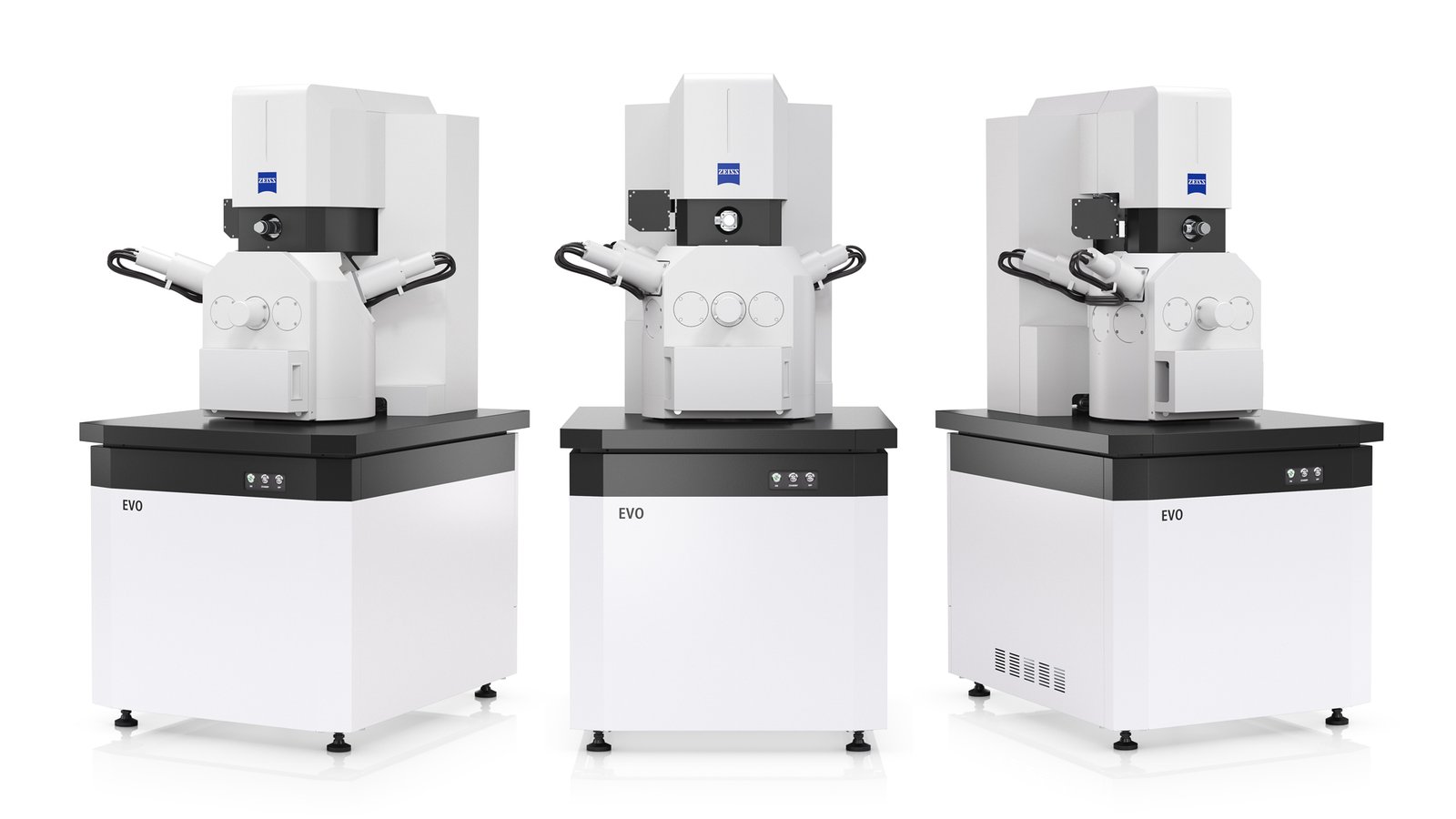
Many product failures are misunderstood because the root cause is too small to see directly. A crack may begin from a tiny void. A coating may fail because of poor bonding. A plastic part may break because of filler dispersion issues. Without SEM analysis, these problems are only guessed.
By choosing SEM microscopy analysis services in Chennai – Kiyo R&D Lab, clients can:
Scanning Electron Microscopy provides highly magnified images of a material surface using an electron beam. It gives better surface detail and depth of field compared to normal optical microscopy.
At Kiyo R&D Lab, SEM images are not treated as decorative visuals. They are interpreted to support client decisions in quality control, product development, and complaint investigation.
A professional SEM analysis process starts with sample review and preparation. Depending on the sample type, it may require cutting, cleaning, drying, mounting, or coating before analysis. The prepared sample is placed inside the SEM chamber, where an electron beam scans the surface and generates high-resolution images.
Proper sample preparation and correct imaging conditions are important. Poor SEM setup can lead to unclear images and wrong interpretation.
SEM is highly useful for plastics, polymers, and composites because many performance issues occur at the micro-level. It can help study fracture surfaces, filler dispersion, fiber-matrix bonding, pores, cracks, and surface defects.
For plastic components, SEM can support failure analysis when parts crack, deform, or fail during use. For composites, SEM can reveal bonding issues, delamination, fiber pull-out, and matrix failure features.
SEM microscopy analysis is also valuable for coatings, metals, powders, and industrial materials. It helps study coating surface defects, corrosion products, wear marks, fracture surfaces, and particle morphology.
When elemental information is also needed, SEM can be combined with EDAX / EDS analysis. SEM shows what the surface looks like, while EDAX helps identify what elements are present in selected areas.
Clients do not need only high-resolution images. They need answers that help them act. A useful SEM report should support product approval, customer complaint response, supplier evaluation, or failure investigation.
Kiyo R&D Lab focuses on answering practical questions such as:
Failure analysis without microscopic evidence is weak. SEM helps identify fracture patterns, crack initiation points, surface defects, contamination, wear features, and morphology changes. This helps clients move from guesswork to evidence-based conclusions.
Using SEM microscopy analysis services in Chennai – Kiyo R&D Lab, clients can investigate rejected parts, failed components, customer complaints, production defects, and material inconsistencies with greater technical clarity.
Not every SEM report is useful. A clear image without proper interpretation can still lead to wrong conclusions. Kiyo R&D Lab focuses on both image quality and technical meaning.
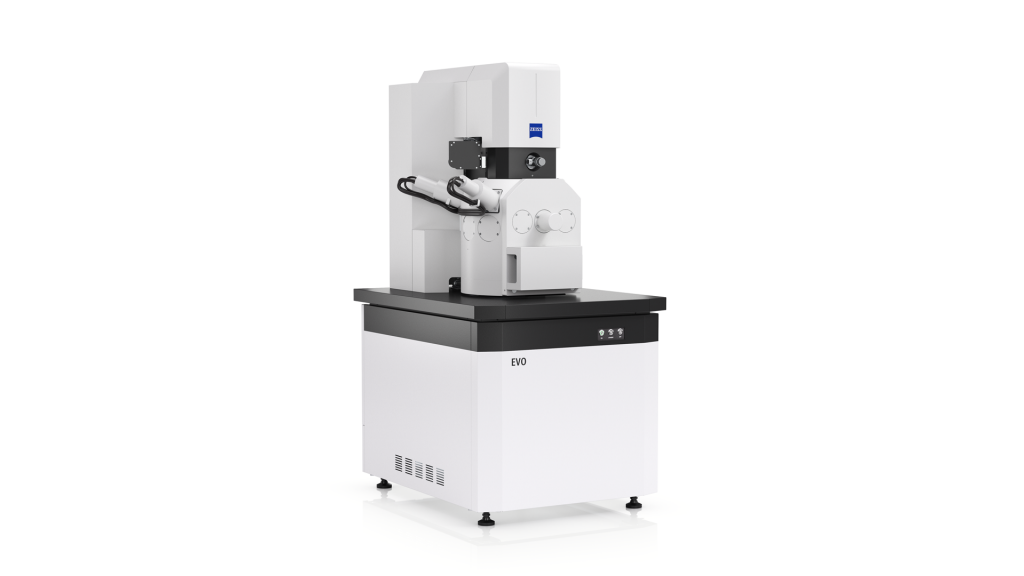
If you are looking for reliable SEM microscopy analysis services in Chennai – Kiyo R&D Lab, our team can support your requirement with high-resolution imaging, practical interpretation, and professional reporting.
Website: www.kiyorndlab.com
Phone: 090876 86986
SEM microscopy analysis is used to study surface morphology, fracture surfaces, cracks, pores, coating defects, corrosion products, wear marks, powder particles, and material defects at high magnification.
Yes. SEM microscopy can be used for plastic and polymer samples to study fracture surfaces, filler dispersion, surface defects, voids, cracks, and failure behavior.
SEM can visually locate contamination, particles, residues, and deposits. If the elemental composition of the contamination is needed, SEM with EDAX / EDS is recommended.
Yes. SEM microscopy is highly useful for powder and particle analysis because it can show particle shape, size variation, surface texture, agglomeration, and morphology clearly.
Clients should choose Kiyo R&D Lab because the lab provides SEM microscopy analysis with high-resolution imaging, practical interpretation, SEM-EDAX support, and professional reporting for quality control, R&D, and failure investigation.