Which tensile standard applies to your material — and does your buyer want the ASTM or the ISO version? Getting this right is the difference between a report your customer accepts and one they reject. This tensile testing standards list brings the main ASTM and ISO methods together in one place, organised by material, so you can quickly find the one your specification calls for.
From plastics and rubber to metals, films, and composites, Kiyo R&D Lab uses the right method from this tensile testing standards list and delivers accurate tensile data, supporting analysis, and clear, audit-ready reports you can rely on.
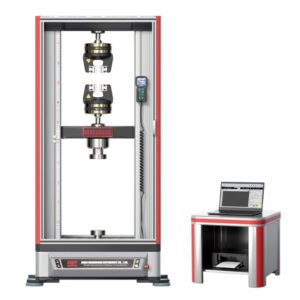
Your complete guide to tensile testing standards at Kiyo R&D Lab
A tensile test pulls a specimen until it deforms or breaks, measuring strength, elongation, and stiffness. But the exact specimen shape, speed, and conditions differ by material and by standard body — which is why a clear tensile testing standards list is so useful. Use the wrong method and your numbers may not be comparable, or worse, not accepted by your customer.
Two organisations dominate: ASTM (US-based, widely used globally) and ISO (international). Many tests have both an ASTM and an ISO version that measure the same property with small procedural differences, so it pays to know which your specification requires.
This tensile testing standards list groups the most-used methods by material type, so you can jump straight to the ones that apply to your product.
ASTM D638, ISO 527.
ASTM D412, ISO 37.
ASTM E8, ISO 6892.
ASTM D882, ISO 527-3.
ASTM D3039, ISO 527-4/5.
ASTM D5034, ISO 13934.
| Material | ASTM | ISO |
|---|---|---|
| Plastics (rigid) | ASTM D638 | ISO 527-1/2 |
| Rubber / elastomer | ASTM D412 | ISO 37 |
| Metals | ASTM E8 / E8M | ISO 6892-1 |
| Thin plastic film | ASTM D882 | ISO 527-3 |
| Composites | ASTM D3039 | ISO 527-4/5 |
Most tensile tests have a matching pair across the two bodies. This part of the tensile testing standards list shows the direct equivalents so you can convert between a customer’s ASTM call-out and its ISO twin.
ASTM ISO
| ASTM | ISO Equivalent | Applies To |
|---|---|---|
| D638 | ISO 527 | Plastics |
| D412 | ISO 37 | Rubber |
| E8 / E8M | ISO 6892-1 | Metals |
| D882 | ISO 527-3 | Films |
| D3039 | ISO 527-4/5 | Composites |
Values from ASTM and ISO twins are usually close but not always identical, since specimen and speed differ slightly. Always report to the exact standard your customer names.
Based in Chennai with branches in Chrompet and Oragadam, Kiyo R&D Lab tests to the standards in this tensile testing standards list across plastics, rubber, metals, films, and composites — with convenient drop-off and courier-friendly collection.
Not sure which tensile standard you need? Tell us your material and your buyer’s spec, and we’ll confirm the right ASTM or ISO method and test to it.
Call 90420 86986 Request a QuoteExplore all our capabilities at www.kiyorndlab.com.
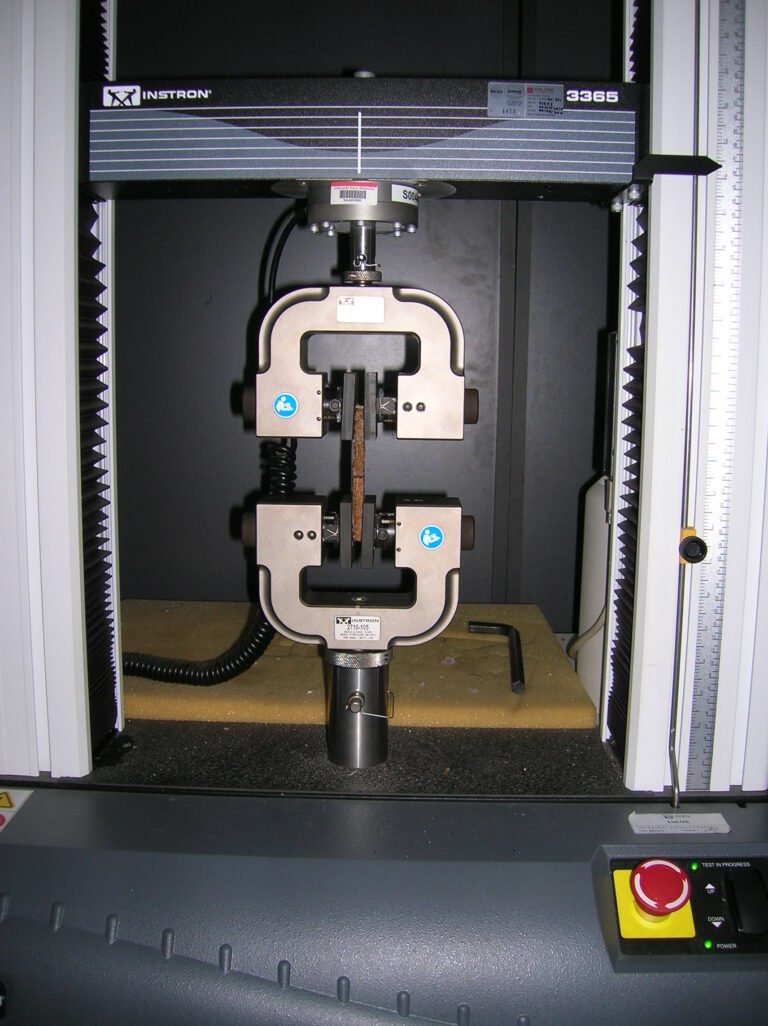
Choosing the correct method is the first step to tensile data your customers accept. Keep this tensile testing standards list handy, and when you need the testing done, we combine the exact ASTM or ISO method with expert interpretation to give you results you can stand behind.
From a single strength check to full material qualification across plastics, rubber, and metals, the team at Kiyo R&D Lab is ready to help. Reach out today and turn your sample into a reliable, audit-ready report.