“Is this plastic good enough?” is never one question — it is several. Strength, heat resistance, chemical identity, flammability, and durability are all measured differently, which is why there are so many types of plastic testing methods. Choosing the right one for your question is the difference between useful data and wasted money. This guide maps out the main categories and what each one actually tells you.
At Kiyo R&D Lab, we run these tests every day for manufacturers, exporters, and R&D teams. Understanding the types of plastic testing methods available helps you order exactly the test your specification or problem needs — no more, no less.

Your guide to plastic testing methods at Kiyo R&D Lab
The many types of plastic testing methods group neatly into four families — mechanical, thermal, chemical, and specialised. Each family answers a different kind of question. The table below shows the categories and links to our detailed pages.
| Category | Common Tests |
|---|---|
| Mechanical | Tensile, flexural, impact, hardness |
| Thermal | DSC, TGA, HDT, melt flow (MFI) |
| Chemical | FTIR, composition, ageing |
| Specialised | Flammability (UL 94), salt spray, SEM |
Most real projects use more than one family — for example, pairing a mechanical test with a chemical one to link a strength result back to the material. Knowing the types of plastic testing methods helps you combine them intelligently.
Mechanical tests answer “how strong is it?”; thermal tests answer “how does it behave with heat?”; chemical tests answer “what is it made of?”; and specialised tests answer targeted questions like “will it burn?” or “why did it fail?”. These four families cover the great majority of types of plastic testing methods a manufacturer will ever need.
Matching the family to your question is the first step — the specific method within it comes next, and that is where an experienced lab adds value.
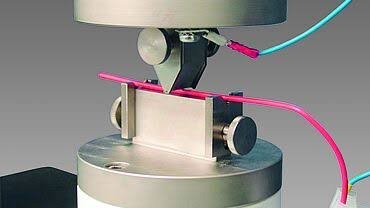
The right test answers your question precisely; the wrong one wastes time and sample. Once you understand how the main families of tests map to the questions they answer, ordering the correct one becomes straightforward — and that is where a lab that knows the full range earns its keep.
Kiyo R&D Lab covers mechanical, thermal, chemical, and specialised plastic testing under one roof, to ASTM and ISO methods, with NABL-accredited reporting where applicable. Tell us your question and we will point you to exactly the test you need.
Call: 90420 86986 | 90876 86986
Web: www.kiyorndlab.com
Picking from the types of plastic testing methods starts with the question you need answered, not the instrument. Accredited reporting is available for methods within our NABL scope; we confirm the exact status for your test before you commit.
Dozens of individual tests exist, but they fall into four families — mechanical, thermal, chemical, and specialised. Grouping them this way makes choosing much simpler.
It depends on your question — strength, heat, identity, or a specific failure. Tell us what you are trying to confirm and we will recommend the right method from the available types of plastic testing methods.
Usually yes. A single submission can be routed across mechanical, thermal, and chemical tests, and you receive one combined report.
Yes. The types of plastic testing methods we run follow recognised ASTM and ISO standards, so results are comparable and defensible.