Rubber soles that wear thin, coated fabric that scuffs, plastic housings that lose their finish: abrasion decides how long a surface keeps looking and performing like new. Many buyers ask for “the” ISO standard for abrasion resistance testing, but there is no single one. The correct standard depends on the material you are testing.
This guide explains which ISO methods apply to rubber, plastics, textiles, coatings and leather, how they differ, and how to choose between them. At Kiyo R&D Lab, our team combines NABL-aligned methods with expert interpretation, so your decisions rest on evidence, not guesswork.
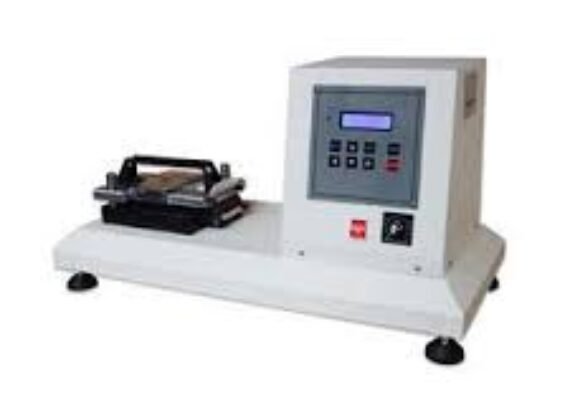
Your guide to abrasion resistance testing at Kiyo R&D Lab
There is no single ISO standard for abrasion resistance testing. ISO publishes separate methods for rubber, plastics, textiles, coated fabrics, paints and leather, because each material wears in a different way and needs a different abrasive, load and measurement. Quoting the wrong one gives results that a buyer or auditor may not accept.
The table below lists commonly used methods and how each one measures wear. Always confirm the current edition and the exact part number against your specification.
| Material | Common ISO Method | How Wear Is Measured |
|---|---|---|
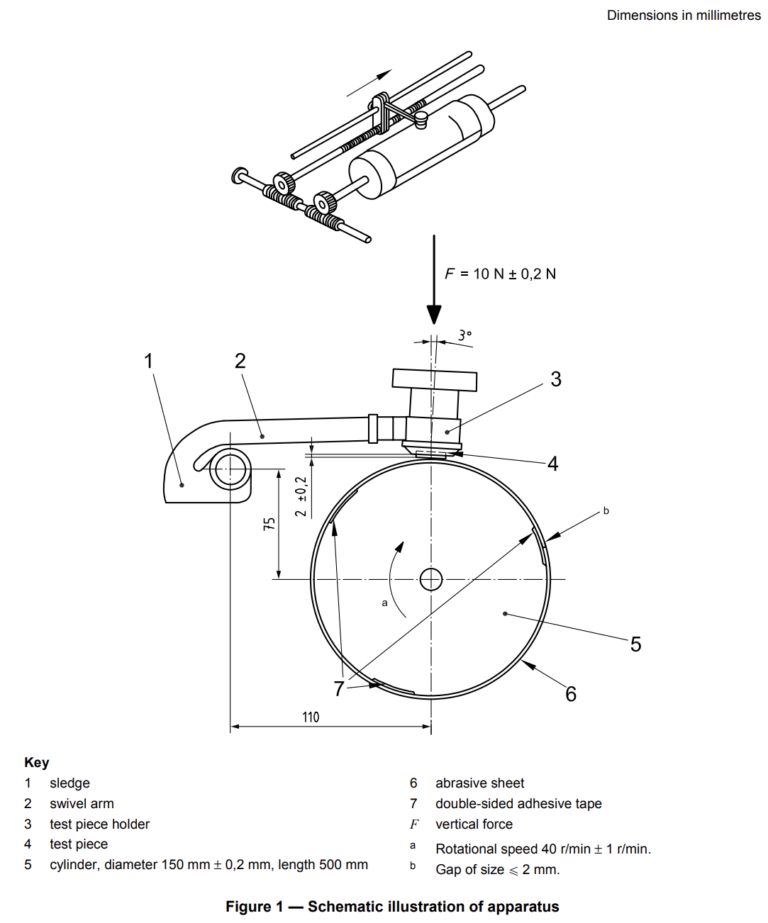
| Rubber & thermoplastic rubber | ISO 4649 | Rotating drum, volume loss |
| Rigid plastics | ISO 9352 | Abrasive wheels, mass loss |
| Rubber- or plastics-coated fabrics | ISO 5470-1 | Taber-type abrader |
| Textile fabrics | ISO 12947 | Martindale rubbing cycles |
| Paints & varnishes | ISO 7784 | Abrasive wheel, mass loss |
| Leather | ISO 17076-1 | Taber-type abrader |
Matching the material to its method is the first step in applying the right ISO standard for abrasion resistance testing, and your buyer or product specification usually names the one to follow.
Following these steps keeps your use of an ISO standard for abrasion resistance testing consistent from one batch to the next. For wider material testing, see our plastic testing laboratory page.
The right method starts with the right material match. By understanding which ISO standard for abrasion resistance testing applies to rubber, plastics, textiles, coatings or leather, you avoid rejected reports and misleading comparisons. Kiyo R&D Lab supports you with ASTM/ISO methods and NABL-accredited reporting where applicable.
Tell us your material and the specification you must meet. Our team will confirm the correct ISO standard for abrasion resistance testing, plan the test and get you defensible results fast.
Call: 90420 86986 | 90876 86986
Web: www.kiyorndlab.com
We help you apply the right ISO standard for abrasion resistance testing to your material, alongside ASTM methods where your specification calls for them. Accredited reporting is available for methods within our NABL scope; we confirm the exact status for your test before you commit.
There is no single one. ISO 4649 covers rubber, ISO 9352 covers rigid plastics, ISO 12947 covers textiles, ISO 5470-1 covers coated fabrics, ISO 7784 covers paints and ISO 17076-1 covers leather. Choose the one that matches your material.
Not necessarily. Methods such as ASTM D4060 for coatings and ASTM D1044 for transparent plastics use similar abrasion principles but different settings and measurements, so results should not be swapped without checking your specification.
Start with your buyer or product specification, which usually names the method. If it does not, we can recommend the most suitable ISO standard for abrasion resistance testing for your material and end use, and explain what the result means.
Most routine abrasion tests complete within days, depending on the method, number of cycles and sample count. We confirm the timeline after reviewing your sample and specification.