
Physical Testing of Polymer in Chennai

Tensile, Flexural & Impact Testing for Polymers – Chennai (Kiyo R&D LAB)

Introduction

Polymers are everywhere—automotive components, packaging, electrical insulation, consumer products, and medical devices. But polymer performance is not something you should “assume.” A polymer that looks fine on day one can crack, deform, or fail in the field if its physical properties don’t match the application.

That’s why manufacturers and product developers rely on physical testing of polymer in Chennai – Kiyo R&D LAB to validate strength, flexibility, impact resistance, hardness, and overall durability using standard-based methods and clear reporting.
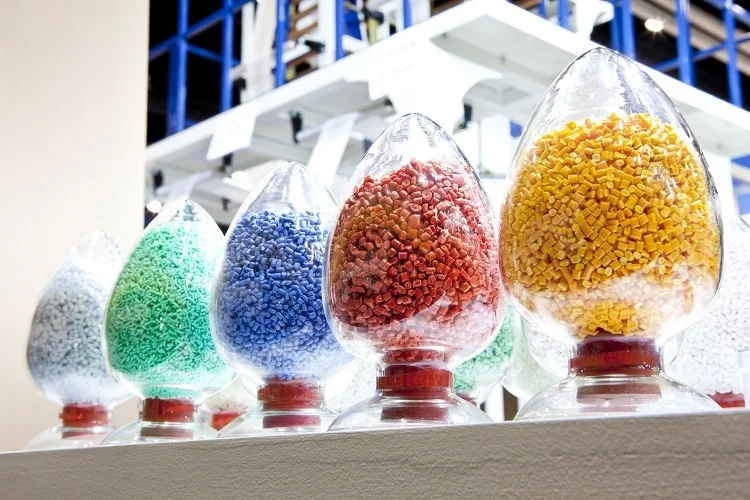
Physical Testing of Polymer in Chennai – Kiyo R&D LAB (ASTM/ISO)

What is Physical Testing of Polymers?

Physical testing of polymers is the evaluation of a polymer’s mechanical and physical characteristics using standardized procedures and calibrated instruments. These tests help determine how a polymer behaves under load, bending, sudden impact, or surface contact—conditions that real products face every day.

Common properties evaluated include tensile strength, elongation, flexural strength, impact resistance, hardness, density, thickness, and abrasion resistance (as applicable to the product).

Why Physical Testing is Important

  • Product reliability: Confirms whether the polymer can withstand real-world stresses.
  • Quality control: Checks batch-to-batch consistency against specification limits.
  • Design validation: Helps engineers choose the right polymer for performance needs.
  • Standards compliance: Supports customer and industry requirements based on ASTM/ISO methods.
  • Failure prevention: Identifies weak materials early, reducing rework and warranty issues.

Industries That Commonly Require Polymer Physical Testing

Polymer testing is widely used in automotive, packaging, electrical & electronics, medical and healthcare, construction, and general manufacturing. Any sector that uses plastic or polymer components benefits from independent physical property verification.

Common Physical Tests for Polymer Materials

Tensile Testing

Tensile testing measures how much pulling force a polymer can withstand before it breaks. It also indicates elongation and stiffness (modulus). It’s critical for films, molded parts, polymer sheets, and structural plastics.

Flexural (Bend) Testing

Flexural testing evaluates a polymer’s behavior under bending loads. This is useful for products that must resist sagging, bending, or cracking during use.

Impact Testing

Impact resistance testing measures a polymer’s ability to absorb sudden shocks. It is especially important for housings, covers, automotive parts, and consumer products that face drops or knocks.

Hardness Testing

Hardness testing evaluates resistance to indentation. This helps in selecting polymers for wear-prone surfaces or parts that must resist deformation.

Density and Dimensional Checks

Density, thickness, and dimensional measurements support consistent production quality and material verification, especially for sheets, films, pipes, and molded components.

These evaluations are commonly included in physical testing of polymer in Chennai – Kiyo R&D LAB to support both QC decisions and R&D comparisons.

Standards Commonly Referenced

Standard methods help ensure repeatability and meaningful comparison. Depending on your requirement, polymer physical testing may follow standards such as:

  • ASTM D638 – Tensile properties of plastics
  • ASTM D790 – Flexural properties of plastics
  • ASTM D256 – Impact resistance of plastics
  • ISO 527 – Tensile properties of plastics
  • ISO 178 – Flexural properties of plastics

How the Testing Process Works

  1. Sample details: Material type, application, and standard/spec requirement are identified.
  2. Sample preparation: Specimens are prepared according to required dimensions.
  3. Conditioning: Where applicable, samples are conditioned under controlled environment.
  4. Testing: Tests are performed using relevant instruments under standard conditions.
  5. Reporting: Results are analyzed and provided in a clear test report.

Why Choose Kiyo R&D LAB in Chennai?

  • Standard-based approach: Testing aligned with relevant ASTM/ISO methods where applicable.
  • Clear results: Reports designed for practical QC acceptance and R&D decision-making.
  • Supports multiple industries: Suitable for plastics, elastomers, polymer composites, and more.
  • Local support in Chennai: Easy coordination for manufacturers and product teams.

If your goal is to reduce failures, meet customer specs, and validate performance, choose physical testing of polymer in Chennai – Kiyo R&D LAB.
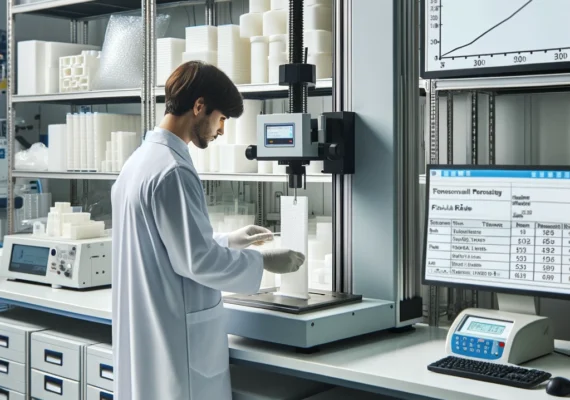
Physical Testing of Polymer in Chennai – Kiyo R&D LAB (ASTM/ISO)

Conclusion

Polymer performance should be proven, not assumed. Physical testing gives measurable data to confirm whether your polymer material is strong enough, flexible enough, and durable enough for its intended use.

For dependable physical testing of polymer in Chennai – Kiyo R&D LAB, reach out with your sample details and requirements to get standard-based evaluation and clear reporting.

FAQ

What is physical testing of polymers?

Physical testing evaluates properties like strength, stiffness, flexibility, impact resistance, hardness, density, and dimensional stability using standard methods.

Which polymer products need physical testing?

Automotive plastic parts, packaging films, pipes, molded components, electrical insulation, consumer products, and polymer sheets commonly require testing.

What tests are commonly included in polymer physical testing?

Typical tests include tensile, flexural, impact, hardness, density, thickness/dimensions, and abrasion (as applicable).

Which standards are used for physical testing of polymers?

Frequently used standards include ASTM D638 (tensile), ASTM D790 (flexural), ASTM D256 (impact), ISO 527 (tensile), and ISO 178 (flexural).

How does physical testing help in quality control?

It verifies if a polymer batch meets specification limits and helps prevent failures by identifying weak material performance early.

How do I submit polymer samples for testing in Chennai?

Share material type, product application, and required standards (if any). The lab will guide sample size, quantity, and conditioning needs.
Call Now Button